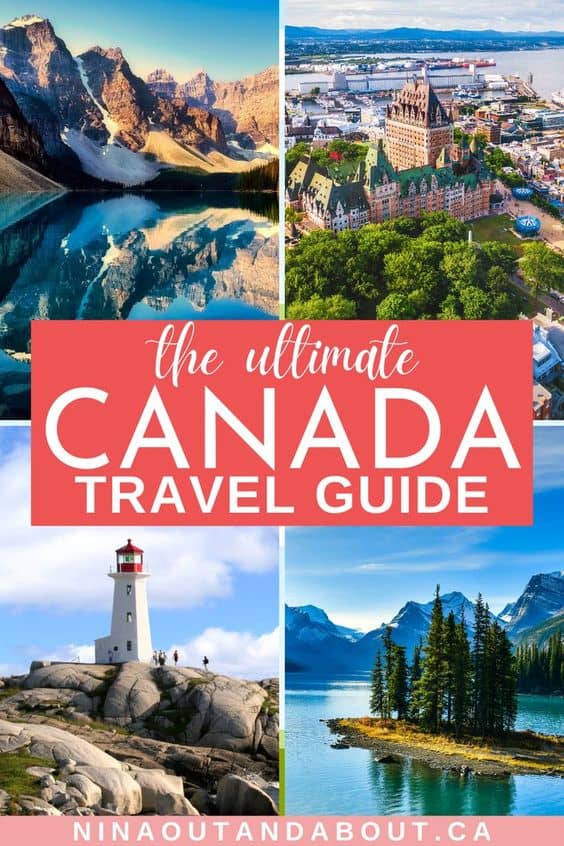
Nina Out and About contains affiliate links and is a member of the Amazon Services LLC Associates Program. If you make a purchase using one of these Amazon links, I may receive compensation at no extra cost to you. See my Disclosure Policy for more information.
Canada Travel Guide
Canada is a beautiful country filled with many places to visit and things to do.
This Canada travel guide will provide you with the basics on travelling in Canada and give you some tips for what can be done while visiting.
On this page, you’ll find all of the information you need to be inspired to travel to Canada, to learn how to plan the ultimate Canadian adventure, and to learn how to move to Canada.
This page is regularly updated and includes helpful posts on everything Canada travel-related from Nina Out and About and other useful resources online.
Save on flights with Skyscanner!
Key Facts:
Language: English and French. Indigenous Languages.
Capital: Ottawa, Ontario
Population: 38,246,108 (StatCan July 2021)
Population Density: 4 per sq km
Area: 9,984,670 sq km
Currency: Canadian Dollar (CAD). Coins are nickels ($0.05), dimes ($0.10), quarters ($0.25), loonies ($1), and twoonies ($2). Cash comes in $5, $10, $20, $50, and $100. The penny was phased out years ago, but totals still include it. Your total will be rounded up or down to the nearest nickel, except for credit card transactions.
Tipping: Tipping 15% is expected in Canada. Most people now tip 20%. If you are in a taxi or at a hair salon, they usually expect a 10% tip.
International dialling code: +1
Government: Constitutional Monarchy with a Federal Parliamentary Democracy.
Head of State: Queen Elizabeth II
Head of Government: Prime Minister Justin Trudeau
Electricity: 120 volts AC, 60Hz. Uses the same plugs as the USA.
About Canada
Before you decide to travel to Canada, you need to know a bit about this amazing northern country.
Canada is a beautiful country, with many different landscapes. There are mountainous regions in the west and flat prairie lands in the east. The north has subarctic tundra, while the southern parts of Canada have temperate climates that allow for farming and fishing to be key industries.
The landscapes have made it a haven for national parks and outdoor junkies who want to enjoy natural thrills.
Canada was originally inhabited by Aboriginal peoples from various cultures. It was then settled by colonizers from England and France.
Now, Canada is one of the most multi-cultural countries in the world. Its ethnic diversity is matched only by its diverse attractions for visitors.
So many travellers never make it to Canada, choosing to skip it to visit the USA or Europe. But they’re missing out!
Canada is one of the coolest countries to visit and live in. As the second-largest country in the world by landmass, there is over 9,000 km of epic landscapes and attractions to inspire any tourist to come to Canada. Some of them never want to leave!
We’re known worldwide as the “friendliest country” and the “maple syrup lovers”, but there’s so much more to Canada than saying sorry and eating pancakes!
We have hundreds of national parks, UNESCO World Heritage Sites, gorgeous beaches, world-class cities to visit and live in, friendly people who will make you feel at home, amazing health care that is free for all citizens and legal residents—and the list goes on!
So come to Canada. You’ll be one happy camper!
If you’re not into nature, Canada is also home to stunning cities. From Toronto with the iconic CN Tower skyline, to the European-feeling Montreal and Quebec City, we have it all!
Read on to find helpful resources for planning the ultimate visit to Canada.
Things to Know Before Travelling to Canada
Canada’s Geography
Did you know Canada is the 2nd largest country in the world? By area, we are only beat by Russia.
Our 202,080 km coastline makes us the longest coastline in the world. We also share the world’s longest unprotected border with the USA.
Canada is composed of 10 provinces and 3 territories. We divide the country into “regions” based on the local climate, government, and geographical features. This includes the “Prairies”, “Atlantic Canada” and the “Maritimes”, and the “Northern Territories”.
Canada has the most freshwater than any other country in the world with around 7% of all freshwater on Earth. Most of which is held in the Great Lakes that abut the USA.
A visit to Canada isn’t complete without appreciating our natural geography, including our northern tundra, the Rocky Mountains, the central Prairies, and the Great Lakes.
Canada’s People
Canada is a multicultural country with immigrants from all over the world.
Nearly 20% of Canadians are visible minorities!
We also have all kinds of different ethnic food to try out no matter where you are in Canada.
Weather
Canada’s climate varies greatly across the country from hot summers with cold winters to temperate year-round climates.
In some places, winter lasts for 8 months out of 365 days, while others barely see snow at all!
In the North, Canada receives significant snowfall. Many locations are above the Arctic Circle, where the permafrost never fully melts.
In British Columbia, you can go from surfing to skiing on the same day thanks to the temperate climate of the Rocky Mountains and the high altitude that ensures epic skiing conditions on Whistler. BC is known for its rain year-round.
In the Prairies, extreme weather exists year-round. In summers, temperatures can rise to 40C. In winters, they drop to -40C, with snow sometimes falling in August.
Ontario has a temperate climate, especially in Toronto, where Lake Ontario regulates the temperature and prevents the extremes that you see in the Prairies. Here winters don’t go below -20C regularly.
Quebec is known for its epic snowfalls. Every winter, Montreal sees snow that buries cars! However, in the summer, the city is pleasantly warm with temperatures up to 25C.
The east coast of Canada has a temperate climate. There is a lot of rain and wind thanks to the Atlantic Ocean, creating a climate similar to the UK. However, the temperatures are not as temperate as in England. Here, you’ll find summers that exceed 20C and winters that drop down to -10C.
Canada’s Wildlife
Canada is a country rich in natural beauty, from its towering mountains to the Arctic tundra. It’s also home to many unique animals that are worth checking out on your next trip here.
Canada has more than 60,000 species of plants and animals!
I like to call these 5 the “Canada Big 5”, after the common term for safari animals in Africa. Look out for them when you visit Canada!
- Polar Bears – Polar bears are the largest land carnivores in the world. Inuit people have been hunting polar bears for their meat, fur, and bones since they were first discovered by explorers from across the world.
- Moose – Moose can grow to be 2 metres tall weighing up to 800 kilograms! They are a common symbol of Canada that you’ll often see on our money and in gift shops.
- Beavers – Beavers have flat tails and webbed feet with sharp teeth, which make them good at swimming in the water and building dams. They can be found throughout Canada and live by lakes, ponds, and rivers. You’ll also find them on the Canadian nickel.
- Caribou – Caribou are indigenous animals to Canada that can be found in northern regions such as Nunavut or Northwest Territories. They are featured on the Canadian quarter.
- Canadian Geese – Canadian geese are everywhere here. While not indigenous to Canada, they were brought over for hunting and now boast populations of 10 million in the country alone! They’re truly the evilest creature in Canada.
Other Canadian animals to look out for include:
- Bison
- Muskox
- Canadian Lynx
- Beluga Whales
- Black Bears
- Spirit Bears (also called Kermode Bears)
- Timber Wolves
- Sockeye Salmon
- Loons
- Groundhogs
- Narwhals
- Wolverine
- Big Horned Sheep
Be careful about wildlife when you are hiking or camping in Canada.
Keep your food safely stored away, don’t leave any scraps behind.
Some animals may attack you if they feel threatened, so be careful when you’re in the wild. And make sure to look out for bears on hikes!
Crime Rates
In case of an emergency, call 9-1-1 in Canada.
Canada is a safe place for tourists and expats alike. Even solo female travellers will have no problems visiting Canada!
There are some pockets of crime, especially dealing with drugs and gang violence, but that is concentrated in areas where tourists don’t visit.
The majority of assaults and murders occur against Indigenous women. This is a rising issue in Canada that has recently come to light after years of it being kept buried.
This crime doesn’t affect tourists.
The most common crime that tourists experience is pickpocketing. Wear pickpocket-proof clothing and you’ll completely safe!
Visa Requirements
If you are visiting Canada for less than 180 days and are from a Commonwealth country or the USA, you do not need a Visa to enter Canada as a tourist.
If you intend to work, study, or do a working holiday in Canada, you will need to seek a Canadian Visa. You can check the entry requirements with the Government of Canada.
Getting to Canada
Flying
To get to Canada from most other countries, you’ll need to consider flying. It’s the fastest method to cross the Pacific and Atlantic Oceans if you’ve got a limited time to travel.
You’ll want to fly into a hub airport, as some of the smaller areas in Canada that are amazing to visit don’t have access to international flights.
The primary hub airport is Pearson in Toronto. This is the main spot where flights from around the world connect through Canada.
Other big airports in Canada include Calgary, Montreal, and Vancouver.
The main Canadian airlines are WestJet (cheaper) and Air Canada (more expensive, but worth it!). For short-haul flights, you can also use Porter, based out of the Toronto Island Billy Bishop airport.
Search for flights to Canada now!
Driving
If you’re coming to Canada from the USA, you might consider taking a road trip to explore your northern neighbour.
Canada has border crossings all along the US/Canada border. They can have long line-ups, especially around rush hour when some people cross the border to get home from work.
To cross the border, you’ll need a valid passport.
Driving to Canada is a cheaper option than flying and gives you the freedom to use your own car within Canada. This is a better option for people who live in the northern USA who don’t need to spend days getting to Canada from the south when they only have a week off work for a holiday.
- We use km/h not mph. That means that you need to convert your speed. For example, most cities are 50 km/h, which converts to 31 mph. Highways are 100 km/h in most areas, which is 62 mph.
- It is legal to turn right on red lights except in Quebec.
- Our road signs are in both French and English, except in Quebec where they are all in French.
- It is illegal to use a cellphone while driving unless it’s handsfree/using Bluetooth.
- There are toll roads in Canada that do not have toll booths. Instead, they automatically read your license plate and email you a receipt. To avoid these, use Google Maps and set your route to “avoid tolls”.
- In case of emergency, contact CAA – we don’t have AAA.
- In winter, it is illegal to drive with snow on your car in big chunks. So scrape off your roof or get a massive fine!
- If you see a diamond in the right-most lane, that means it’s a restricted use lane. It could be carpool or bus-only (noted by signs above that lane) and may have specific hours of use.
- Ensure you have proof of insurance and your driver’s license on hand at all times when driving.
- It is a criminal offense to drive with a blood alcohol level of 0.08% or higher. Don’t risk it and avoid drinking before getting behind the wheel.
I recommend using Discover Cars to quickly compare rental options.
Bus
The Greyhound bus services operate across Canada and into the USA.
However, these buses have limited operating lines across the countries. They are mainly helpful if you are looking to get to Ontario or Vancouver from the USA.
Taking the bus is cheaper than driving, but does mean you have less flexibility.
Train
Amtrak runs services from New York to Montreal or Toronto, and from Portland to Vancouver.
The Rocky Mountaineer, a famous train with epic views, runs between Seattle and Vancouver.
Trains are an excellent way to travel to Canada. They allow you to enjoy the views and have more comforts than a bus. However, some journeys can be very expensive.
Boat
If you have a crippling fear of flying, you can still get to Canada from overseas!
There are cruise ports around Canada. The most popular are in Halifax, Nova Scotia; Montreal, Ontario; and Vancouver, British Columbia.
Cruises are a perfect option for people with longer holiday time who want to explore without needing to pack up their room every day. It can also help those who don’t love flying get to Canada for a bucket list trip.
Getting Around Canada
Once you’re in Canada, you don’t just want to stick to a single city. If you have time, you should explore more of the second-largest country in the world!
Flying
Flying is the fastest way to get around Canada, but it’s also the most expensive.
If you’re flying within Canada there are 3 main airlines to use: Air Canada, WestJet, and Porter. Porter is the nicest of the three, but it only operates in certain cities and has smaller planes.
There are some airlines that service more remote areas and smaller cities as well.
Every capital city in Canada has an airport that you can use to navigate around the country.
Search for flights in Canada now!
Driving
I wholeheartedly believe driving is the best way to experience Canada, although almost no one does it. Most people think it takes too long, since there are huge expanses of space between major cities in the country.
However, if you have time, consider doing either a small local road trip or a larger cross-Canada road trip to enjoy the famous landscapes.
Driving in Canada is a great way to explore the country. You can take your time and see all that this vast, beautiful land has on offer if you’re willing to go slower than most people do these days!
Make sure not only are you well-prepared with gas for when we hit those long stretches between cities or towns but also carry plenty of food because there can be long stretches without a Tim Hortons (gasp! How tragic!).
Road quality is generally pretty good, but roads in the more remote regions may be unpaved.
Be mindful of snow and ice during wintertime as they can cover up road divisions and make things slippery for drivers!
You should also watch out when you see wildlife. Elk, moose, and deer will often graze alongside roads causing traffic jams to look at them. It’s even worse when they decide to cross the road unpredictably.
I recommend using Discover Cars to quickly compare rental options.
Bus
Greyhound is a reliable company that provides comprehensive bus services all over Canada. It has the most extensive network of any coach line in this country, with smaller operators providing service for regions as well!
Train
With trains that run from Toronto to Vancouver, it’s easy for passengers in Canada to get across the country with VIA Rail. The scenic routes through various areas showcase some amazing views and takes about four days!
Train travel isn’t common across the middle of Canada through the Prairies, since most tourists tend to take planes between these large provinces.
If you’re looking to travel by train, you’re likely heading from Toronto out to the east coast. Or from Alberta to Vancouver through the famous Rocky Mountains.
Train travel is often as expensive as air travel, if not more expensive, in Canada. However, it’s worth the cost for the amazing scenery you’ll pass through.
Ferries
To get to some areas in Canada, you’ll need to use the ferries. It’s not the most common way to get around, but it’s worth looking into if you’re heading out to places like Newfoundland or Vancouver Island.
Check out local ferries for their prices and operating times.
Most allow you to bring on cars and even RVs if you prebook.
Top Attractions in Canada
Niagara Falls – The falls are one of the most popular destinations in all of Canada and offers visitors an experience that can’t be topped anywhere else. With a stunning view from its observation deck, it is easy to understand why so many people come every year just to see one piece of nature’s beauty up close.
Rideau Canal – Built by hand in 1826, this canal located just outside Ottawa is now used as a scenic waterway perfect for canoeing or kayaking through at your leisure. It can be enjoyed by both nature lovers and history aficionados, as the canal was designated a World Heritage Site in 2007 thanks to its intricate system of locks. In winter, it becomes the world’s longest outdoor skating rink.
CN Tower – Standing a staggering 553 metres tall, this Toronto landmark is a must for those who want to get an incredible view from the top before their visit comes to an end. As one of the tallest towers in the world, it’s no wonder that this iconic building attracts more than two million visitors every year.
Old Montreal – Get swept away to another time when you visit this historic district. Featuring cobblestone streets, colourful buildings, and enchanting shops, it is a popular choice for anyone who wants to get a taste of what life would have been like in the past.
Polar Bear Safari – In Churchill, Manitoba can be found one of the world’s most thrilling safaris. Take a tour of the Churchill tundra to spot Canada’s largest predator in the wild.
Gros Morne National Park – Experience the spectacular coastline in Newfoundland at Gros Morne National Park. Here you can enjoy a hike to the top of Western Brook Pond, go kayaking or canoeing, and come face-to-face with the park’s wildlife including moose and caribou.
Calgary Stampede – Be amazed and inspired by the Calgary Stampede’s great events and exhibitions. Held every July, it is the biggest outdoor show on earth and a chance to experience western culture at its finest.
Niagara-on-the-Lake – If you’re interested in learning more about the rich history of Canada, Niagara-on-the-Lake offers an excellent blend of nature and culture. While here, be sure to check out Fort George to learn all about British traditions or stop by the Shaw Festival Theatre where visitors can enjoy famous plays written by William Shakespeare.
The Rockies – Experience the Canadian Rockies in all their glory from Banff National Park. There are a number of activities to enjoy while you visit, including taking a ride on the Banff Gondola, relaxing at Upper Hot Springs, and visiting Johnston Canyon for a beautiful sight of freshwater pools and cascading waterfalls.
Ski at Whistler – The ultimate winter destination, Whistler is home to North America’s largest ski resort. Here you can enjoy over 200 trails for skiers and snowboarders of all skill levels and the chance to spend time with friends and family in a truly unforgettable place.
Drumheller – Explore the badlands of the Red Deer River valley in Drumheller to learn all about Canada’s dinosaur history. At the Royal Tyrrell Museum, visitors can get up close with fossils and minerals, while Drumheller offers plenty of other attractions including golfing or ATV riding.
Anne of Green Gables – This historic site tells the story of Anne of Green Gables and her adventures on Prince Edward Island. Visitors can spend a day at Green Gables, where they can enjoy food, music, and shopping. Or take a tour of the island to get more information about this literary classic.
Sable Island – Experience the beautiful and unique landscape of Nova Scotia’s Sable Island. There is no vegetation and very few animals here, but it’s popular with tourists thanks to its wild horses and dramatic coastlines.
Algonquin Park – Experience the beauty of Canada’s wilderness at Algonquin Park. This park has over 1,500 lakes providing plenty of opportunities for aquatic activities including canoeing, kayaking, and fishing.
Capilano Suspension Bridge Park – Take a walk on the wild side at Capilano Suspension Bridge Park in British Columbia. This popular park offers a chance to get an up-close encounter with North Vancouver’s natural attractions.
Best Places to Visit in Canada
Toronto – A blend of nature, history, and culture can be found in Toronto. This vibrant city is home to many art galleries, museums, and parks that are perfect for exploring.
Ottawa – From Parliament Hill to the Rideau Canal, Ottawa is home to world-class architecture and captivating sights. It also offers a variety of shopping venues for people who are looking to buy Canadian goods during their trip.
Montreal – A charming city, Montreal is a melting pot that offers great food and exciting nightlife. Visitors can spend a day wandering through the historic streets or enjoying a variety of activities from water sports to boutique shopping.
Vancouver – Spoil yourself with a relaxing weekend in Vancouver. This beautiful destination has something for everyone including scenic countryside, exciting attractions, and delicious dining options.
Halifax – It may not be as big or as busy as some of the other destinations in this list, but Halifax offers plenty of things to do without any hassle. Stroll through the streets and check out all of the historic buildings or take a trip out to Peggy’s Cove for magnificent views.
Quebec City – Explore Canada’s French culture on a trip to Quebec City. There are plenty of things to do here, including eating at some delightful restaurants and shopping in quaint boutiques.
Calgary – Calgary is one of the best places for shopping in Canada. With endless malls and popular stores, it’s a great destination for anyone who wants to do some serious bargain hunting during their trip.
Banff – Visit Banff National Park and enjoy the stunning views that the Rocky Mountains have to offer. You can also take a ride on the Banff Gondola for panoramic views of the area.
Niagara Falls – Visit Niagara Falls and marvel at the power of these waterfalls. There are many ways to get a good view including walking along the boardwalks or taking a trip up in a helicopter.
Whistler – Whistler is best known for its skiing and snowboarding opportunities, but there are plenty of other things to do here. You can go hiking, biking, or take part in numerous nature events.
Best Time to Visit Canada
With so many places to see and things to do in Canada, it can be hard deciding what time of year is best for you to visit.
Before we dive into the seasons, I’d like to note that there really isn’t a bad time to visit Canada. It just depends on what you’re looking to get out of your experience when you travel to Canada.
It also depends on where you’re going. Areas like Vancouver are much more temperate than Iqaluit in Nunavut. So you need to be mindful of the location’s specific climate before you decide the best time to travel to Canada for you.
Winter is the best time to visit Canada for anyone who enjoys snow and snow sports. Skiers and snowboarders come from around the world to take on our epic hills. You’ll basically live on the slopes during this time – although it can get really cold on the mountain tops (I’m talking -40C).
Spring in Canada is amazing for flowers and cooler temperatures than summer. I love this time of year for going hiking (in boots that can get muddy) or checking out flower festivals around the country. It does get wet during the Spring, so avoid coming before May to skip the worst of the showers.
Summer is the best time to visit Canada if you’re looking for outdoor adventures. Whether you want to go canoeing, swimming, hiking, or wildlife spotting, summer is probably the time you’ll want to visit.
Summer is the busiest time of year for tourists in Canada, but for good reason. You’ll find amazing festivals around the country to partake in. You can even try out a Canadian cottage experience!
Fall is my favourite time of year in Canada. It’s the best time of year for leaf peeping, temperate weather, and cheaper adventures. Most people are home or in school, so you’ll find fewer tourists. Visit in September for warm weather but lower prices and fewer lines.
Canada Travel Budget
Your budget for visiting Canada will vary depending on where you’re going, how you’re getting there, what you’re doing, and how long you stay.
It’s hard to give specific estimates for costs, since a room in Toronto costs vastly more than a hotel in Moncton.
I will say this: Canada is a very affordable travel destination. In fact, you can see most of the country on a backpacker’s budget if you’re really careful about where you stay and when.
Canada is also home to some of the best free things to do in North America.
Here are some average prices to help you budget for your travels in Canada:
| Accommodation | Food | Daily Transport |
|---|---|---|
| Hostel - $40 | Fast Food - $15 | Bus/Subway - $3.25 |
| Private AirBnB - $90 | Basic Restaurant - $25 | Short Uber - $20 |
| Hotel - $150+ | Luxury Restaurant - $60+ | Long Uber - $70+ |
This budget is based on costs in a larger city like Toronto, Edmonton, or Vancouver. You will find cheaper prices in other areas in Canada.
Where to Stay in Canada
There are many types of accommodations you can stay in while you travel to Canada.
Hotels are a lovely option to get more luxury and privacy. The Fairmont is a chain with beautiful architecture and amazing restaurant experiences that you won’t want to miss.
Click here to search for the best hotels to stay at in Canada!
If you prefer to stay like a local, check out these homestay options across Canada. You’ll find epic locations from stargazing domes to penthouses with a private jacuzzi!
Budget travellers will love Canadian hostels and campgrounds.
Find the best hostels to stay at with Hostelworld!
Canada Packing Guide
Essentials:
- Passport
- Visa (if needed)
- Credit Card
Clothing:
I recommend packing for Canada based on the season and what you’re doing.
In summer, you’ll need swimsuits, shorts, hiking gear, and tank tops. You’ll want a pair of shoes with good arch support so you can walk all day.
In winter, Canada gets COLD. You need proper Canadian winter gear to keep yourself warm.
I recommend buying proper winter boots, certified to -30C weather, a parka that is insulated with down or synthetic down, and thermal underwear and socks. These will help keep you warm so you can enjoy your time outside.
Get my Canada winter gear list here.
Other Items:
- Universal travel adapter
- Chargers for your electronics
- Power bank for your phone
- Tripod to take epic solo pictures
- Bug repellant and sunscreen for the summer
Canada Travel Insurance
Travelling Canada is an amazing experience, but it can be expensive. You need to plan your trip so you don’t wipe out your savings unexpectedly.
The cost of travelling in Canada can quickly escalate without travel insurance. Whether you’re visiting family or trekking across the country on a long-term holiday, make sure you have all your bases covered before booking flights and accommodation.
Safety Wing offers trusted, emergency travel insurance which covers medical expenses including hospital stays during emergencies, as well as adventure sports like bungee jumping and white water rafting.
Value your time and save money with upfront quotes that are available online 24 hours a day 7 days a week.
👉 Find out how much it costs to protect your trip today with Safety Wing travel insurance.
Best Tours of Canada
Get the most out of your travels to Canada with these amazing tours! You’ll find the perfect tour to make you book your flight to Canada today:
- Tour the Iconic Niagara Falls
- Seaplane Tour Over Vancouver
- Capilano Suspension Bridge and Grouse Mountain from Vancouver
- Niagara on the Lake Wine and Cheese Tour
- Aurora Borealis Viewing Tour
- Epic Whale Watching Tour from Vancouver
- Guided Tour to the Iconic Peggy’s Cove Lighthouse
- Kananaskis River Rafting Adventure with Transport
- Lake Louise and Icefields Parkway Private Tour
Get more epic Canada tours here!
Helpful Canada Travel Tips and Guides
















Living in Canada Guide





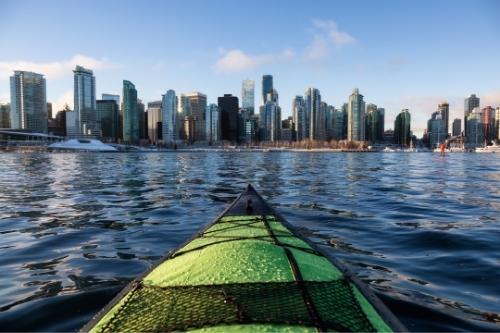

Ontario Travel Guide











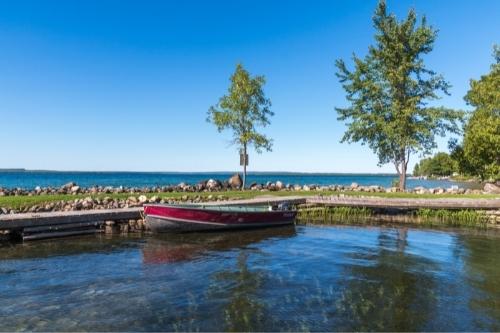




Quebec Travel Guide


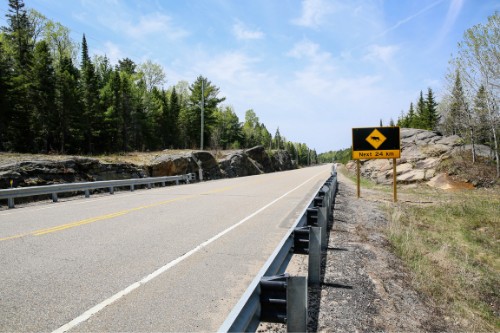
Nova Scotia Travel Guide
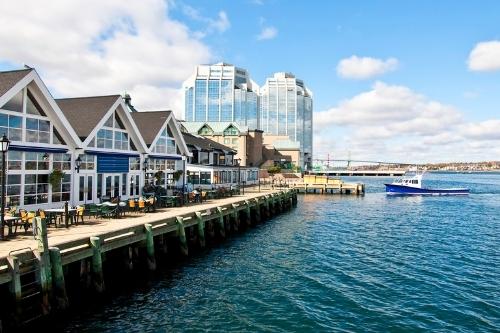

New Brunswick Travel Guide

British Columbia Travel Guide
Road Trips in Canada
Canada Packing Lists

Canada Travel Guide FAQ
Where is Canada?
Canada is a country in North America. It is the northern-most country, above the USA and Mexico.
It lies between the Pacific and Atlantic Oceans.
Is Canada safe to travel?
Yes, Canada is a safe country to travel to. You will find that it is one of the safest countries in the world.
If you’re planning on staying in a big city like Toronto or Montreal there is a higher chance of getting pickpocketed because it’s so densely populated with people and restaurants, but if you avoid those cities there are places with less population density where you can feel safer wandering around after dark.
And if anything does happen police generally respond quickly and will give assistance when required so don’t be afraid to call them!
Women feel very safe in Canada, even when travelling solo.
👉 Find out how much it costs to protect your trip today with Safety Wing travel insurance.
Do I need a passport to go to Canada?
Yes, you will need a passport to visit Canada from anywhere outside of the Canadian borders.
When travelling within Canada, you won’t need your passport.
Are credit cards accepted in Canada?
Yes, credit cards are accepted in most major cities in Canada.
You will need cash at certain places outside of major cities, such as if you are going to a farmer’s market in Northern Ontario.
Note that most Canadian businesses do not accept American Express cards. They generally accept Visa and Mastercard, though.
Get the lowest conversion fees with Wise.com!
How long can a tourist stay in Canada?
It depends on where you’re from. Typically, tourists can stay in Canada for up to 180 days if they are from the USA or a Commonwealth country.
Otherwise, check your tourist visa to see your restrictions.
Do I need a Canada travel visa?
It depends on your home country and your reasons for coming to Canada.
You can check the entry requirements for your country with the Government of Canada. They will also have information on the cost of the Canada tourist visa you need, the requirements, and the waiting period.
How do I save money on flights to Canada?
- Book your flight early.
- Consider flying out on a Thursday evening, instead of Friday morning or afternoon. This can be cheaper and give you more flexibility with your weekend plans!
- Use Skyscanner to compare prices across different airlines. They also have coupons for discounted flights on some routes. You can apply them before you purchase your ticket!
- Sign up for airline newsletters that will notify about flash sales on flights to Canada if they are available near the destination date you want. Airfare Watchdog is a great resource for this if you live in the USA.
- Use airline rewards points to avoid paying for the majority of your fare.
- Fly with cheaper airlines. Did you know IcelandAir flies to Canada from Europe and includes a free stopover in Iceland for up to 7 days? And it costs less than most other airlines, with way better amenities!
Save on flights with Skyscanner!
What is the best month to travel to Canada?
The best month to visit Canada is September because it’s when the weather is ideal in most places across Canada.
You can enjoy a tourist-free vacation with cheaper accommodations, more things to do, and avoid the extreme temperatures of winter and summer.
What is the cheapest way to travel across Canada?
If you are interested in ways of travelling across Canada, more specifically for the cheapest way to travel, there are several options.
There is Greyhound or Via Rail that can take you across Canada. If you’re looking into cheaper fare prices then look into flying on West Jet Airlines. Otherwise, try driving across Canada. You can use a rideshare program to cut your gas costs.
The more popular tourist attractions offer special discounts for out-of-province visitors if they have accommodation booked through them, too!
Is Canada expensive to travel?
Canada is a safe and welcoming nation that offers great sightseeing opportunities, but keep in mind you will need to budget for some expenses.
It can be expensive to do bucket list activities in Canada, like taking the Rocky Mountaineer through the Rockies or going on a whale-watching expedition in Quebec.
If you do not budget properly, you can quickly find a trip to Canada getting very expensive.
However, it’s possible to travel through Canada cheaply. You can opt to stay in hostels or camp, cook for yourself or eat at cheaper locations, and avoid major cities like Toronto that are more expensive.
A budget traveller can get by on $75/day in most Canadian areas. However, the average tourist spends $189/day in Canada.
Save on flights with Skyscanner!
How many days do you need for Canada travel?
This is a question we get asked often and the answer depends on what you plan to do in Canada. If you want to see the major attractions and take general trips around the country, it will take roughly 2 weeks of vacation. This is a decent amount of time but honestly, this isn’t enough time considering how big of a country Canada really is.
Let’s be real: you aren’t going to see all of Canada on your trip unless you’re on an extended holiday or sabbatical.
I recommend spending at least 3 days per city you go to. This will give you time to get to know the place, do the major tourist attractions, and uncover a hidden gem.
Ultimately, your travel plans will dictate your time in Canada – as will your vacation days. You can adjust your itinerary to make your time in Canada exactly what you want it to be.
Save on flights with Skyscanner!
Can you drink the tap water in Canada?
In many areas in Canada, you can drink tap water. Every major city has safe drinking water in the provinces.
However, Canada has a significant problem with Indigenous lands not having adequate water treatment facilities. These areas, and many northern Canadian regions, have “boil-advisories”. This means that the water is not safe to drink unless it has been boiled first.
Many forested areas where people go camping only have access to lake and river water, or untreated well-water. It’s not safe for you to drink the tap water here.
If you’re doing a road trip across Canada or into northern Ontario, you’ll need to purchase water for your trip.
Pin this for later!