
Nina Out and About contains affiliate links and is a member of the Amazon Services LLC Associates Program. If you make a purchase using one of these Amazon links, I may receive compensation at no extra cost to you. See my Disclosure Policy for more information.
What to Pack for Winter in Canada: Canada Winter Clothes
After years of living abroad, the pandemic has returned me to my native country. Living in New Zealand, Europe, and the UK almost made me forget how intense a Canadian winter can be.
When you grow up in Canada, you don’t think twice about owning multiple balaclavas or layers of fleece and thermals.
But when you’ve just spent 3 years without a winter (because a dusting of snow in Berlin and Istanbul can’t really be called “winter”), you forget about the sheer amount of items you need in Canada.
That’s why I created this Canada packing list for winter.
This packing guide is built for expats like me who are returning to Canada for the first time in a while or new millennial visitors who have no idea what to pack.
Stick with me for a complete guide of what you need to pack for Canadian winter.

What Are Canadian Winters Like?
Canada is a gorgeous destination for solo travel. It’s hugely safe, easy to meet people, and has a lot of unique bucket list activities for travellers.
While most people want to visit in winter to see polar bears or skate on Lake Louise, they don’t know how to pack for our cold weather.
In my common misconceptions about Canada post, I debunked the idea that it’s always snowy in Canada. We don’t live in igloos – in fact, they’d melt in most cities.
However, we do get intense winters.
Winter in Canada varies from province to province. For the most part, if you’re visiting between November and early April, you’ll need this packing list for winter.
Prepare for:
- Snow
- Temperatures ranging from -40C to -5C (except for maybe Vancouver)
- Ice and black ice
- Difficult driving conditions
- Minor blizzards (and maybe a major one or two)
- High winds
- More snow!

Canada Packing List for Winter
So what do you need to pack for Canadian winter?
It’s simple really: layers and lots of warm clothes.
Well, it sounds simple. But a wool jacket that keeps you warm in London, UK won’t be enough against the cold of a Canadian winter. You need proper Canadian winter gear.
Here is a complete Canada packing list for winter, with some of my favourite brands and items to help you survive the cold.
Jackets
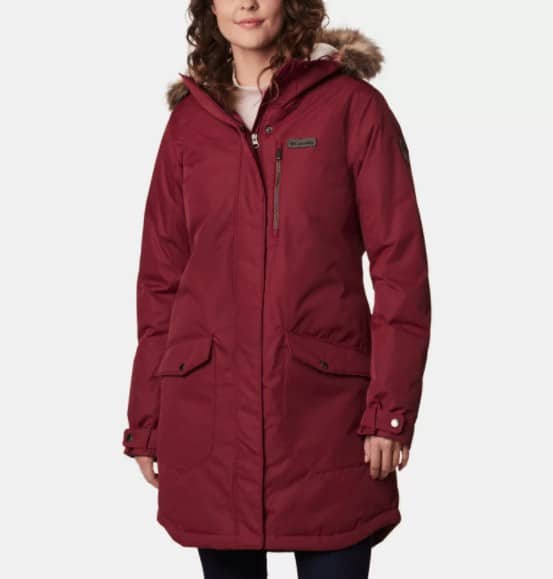
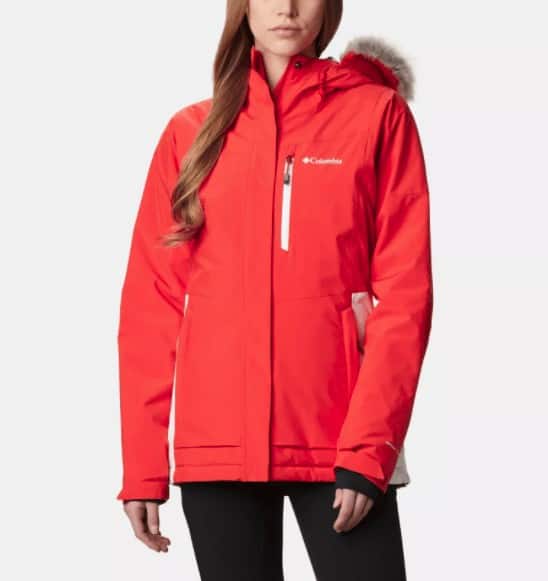
The key to a Canadian jacket or parka is to get one that’s well insulated. A wool coat is fine some days of the year, but with the intense wind and snow in Canada, you’re better off with a parka.
It’s one of the things we’re famous for: Canada goose jackets.
I don’t support Canada Goose due to their animal rights violations. Also, they’re incredibly expensive.
I got my jacket from a sporting goods store where it was easily 1/3 of the price of a Goose jacket and made with synthetic down (to help my allergies).
I always recommend women invest in a longer jacket. Ski jackets are great for skiing when you’re fully geared up, but day-to-day your butt is likely to get cold.
My jacket falls to my mid-thigh, but you can also get jackets that reach the top of your boots.
Get a jacket with zippers and buttons to help prevent wind from getting in through button holes. This is a key tip for Canada winter clothing! You need to block out the wind.
My Favourite Winter Jackets:
Fleece & Sweaters
Underneath your jacket, you need some good layers.
Most days in winter, I can be found wearing 3-4 shirts: a camisole, a short sleeve or long sleeve shirt, a fleece or sweater, and (for hiking) a thermal shirt.
When the temperatures are regularly hovering around -17C, you’ll be thankful for those layers.
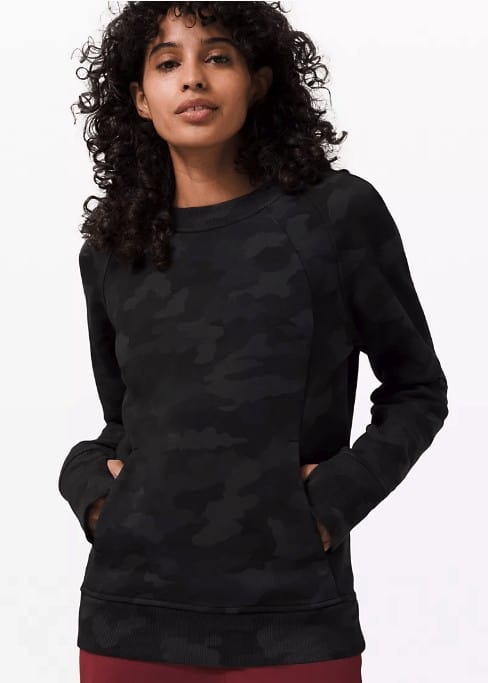
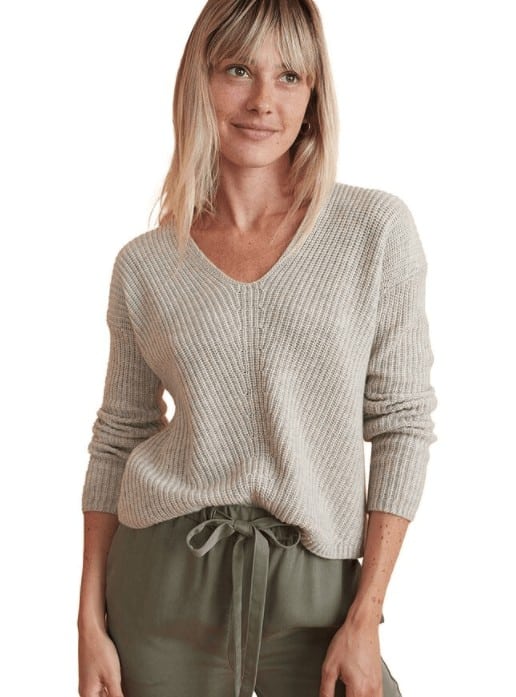
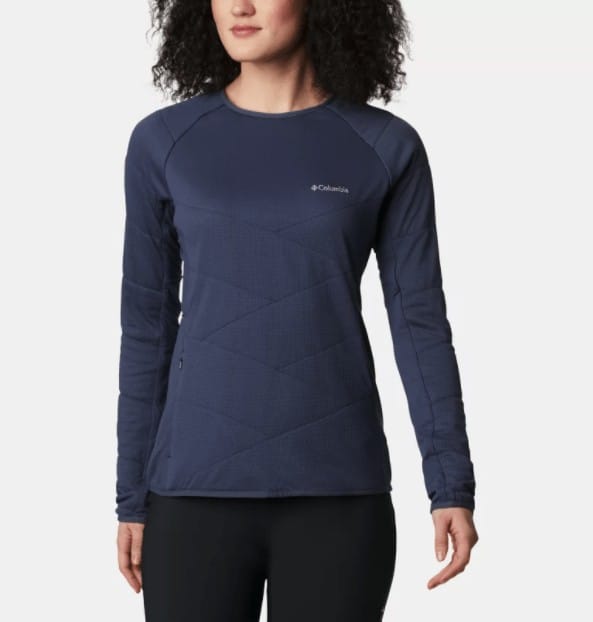
Fleece and sweaters are my favourite part of winter. They’re cozy and warm, and you can buy them two sizes too big to cuddle into.
I actually argue when people call fall “sweater weather” because I’m usually still in shorts and a tee (it’s all that Canadian blood!). Winter is when sweaters really shine.
Your usual hoodie won’t do the trick in Canada, though. You’ll want to invest in wool, fleece, or knit materials to help keep the cold away. That’s why I’ve made this a full section in my Canada winter packing list.
I’m allergic to wool, so I stick with fleece and synthetic versions of wool to help keep me warm in winter. Although wool is a more common choice, you’ll also be paying more for it.
For wool sweaters or shirts, look for Merino Wool, as it’s less itchy and insulates well.
My Favourite Fleece and Sweaters:

Shirts
Like I said above, I’m usually wearing a number of shirts every day in winter. It can seem bulky, but getting form fitting layers helps with that. Canadian winter clothing can be slim while still containing layers.
Always pack more shirts than days of your visit (usually 1.5x or 2x is a good amount).
I always have a mix of short and long sleeve shirts with me. Sometimes Canada surprises you and breaks out in a gloriously sunny day. Hiking in thermal shirts and a parka at -5C is sweaty business. You’ll want to sub in a t-shirt or have extras on hand for when things get damp.
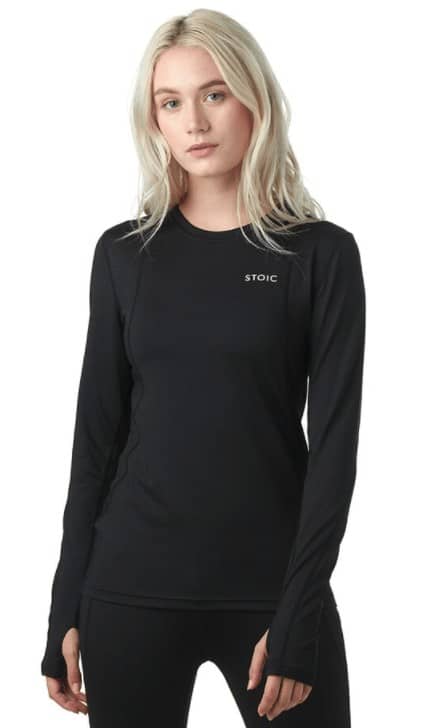
Buy at least 2 thermal shirts for your visit. These are shirts made with a tighter knit and special material (usually wool) to help keep you warm. They’re thin and easy to layer with. Plus they’re easy to pack.
Snow Pants
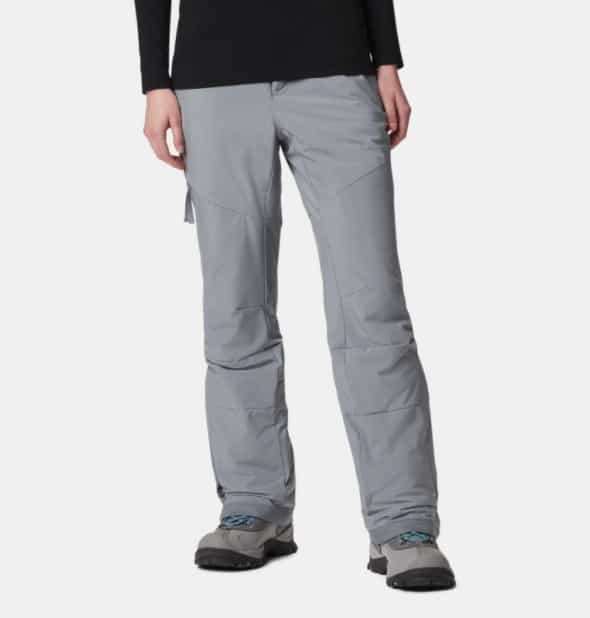
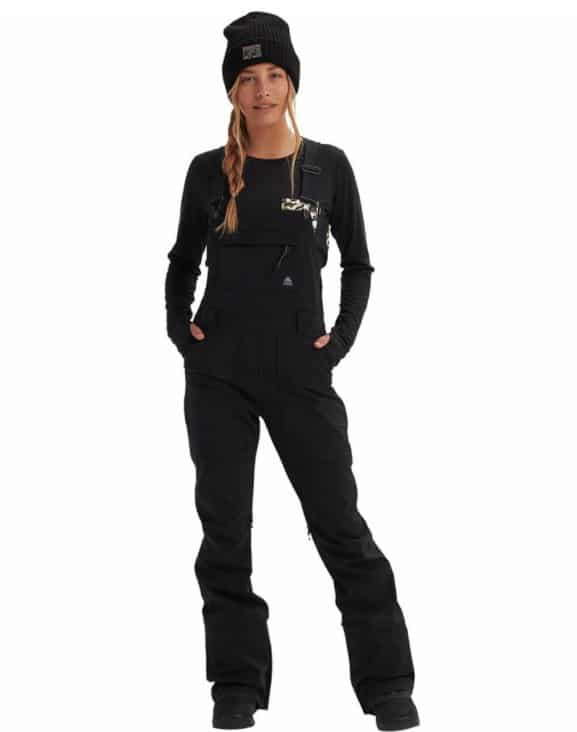
Snow pants are an item I was surprised that more people around the world didn’t own. In Canada, a pair of snow pants is basically essential Canada winter gear, especially if you do any outdoor activities like skiing.
I’d grown out of my pair from high school and had to get new ones this year.
They’re the most frustrating item to wear. They’re almost always low-rise, which makes me feel like they’re going to fall off. The swishing sound of them drives me crazy. And I feel like a Michelin man who can’t fully bend his legs.
That being said, they’re a life saver.
Snow pants are the best investment for Canadian winter packing. You’ll use them any time you go skiing, skating, snowshoeing, cross country skiing, or hiking.
While you can get by without them, it’s so much easier to own a pair.
Then you can throw yourself in the snow like a child and make snow angels without worrying about your butt freezing or your pants getting soaked.
Always ensure your snow pants can be tucked into your boot or socks at the inside. This creates a barrier from snow getting in your shoe.
Trust me, that’s an awful feeling.
Pants
I always struggle with pants in Canadian winters. When I was packing to return to Canada from the UK, I realized I only own light pants now.
A year in New Zealand with a heavy pair of jeans quickly converted me to the enjoyment of heavily ripped jeans and flowy materials.
But in a Canadian winter, that isn’t going to cut it.
This might be the most important part of this Canada packing list for winter: pants are vital!
Most jackets don’t cover your entire leg. And day-to-day, it’s a hassle to wear snow pants (that swishing sound would drive me mad!).
Pack at least 2 pairs of pants for every 3 days of your trip. That sounds like a lot, but with the wetness of snow and the need to layer, trust me you’ll appreciate it.
The best types of pants to pack for Canadian winters are:
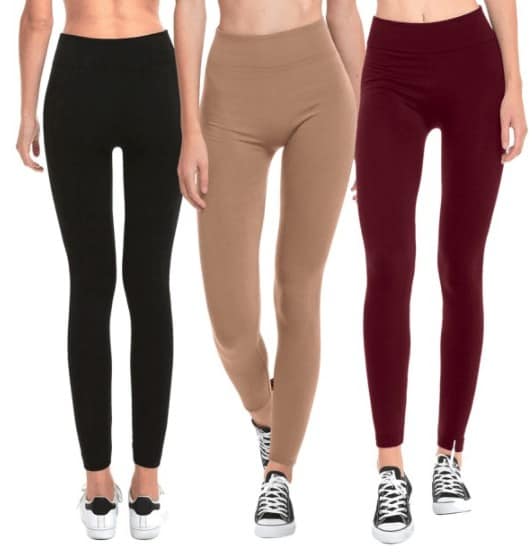
- Fleece-lined leggings (you can put tights over these and wear skirts with them, or use them as normal pants)
- Loose jeans (usually half a size too big so you can layer beneath them. Add long underwear, tights, or leggings beneath them)
- Thermal leggings or sweat pants
Long Underwear
Long underwear is one of those terms that I just love. I don’t know why I enjoy it so much, but it always makes me laugh. It’s almost as good as some of my favourite New Zealand slang.
Probably because I’m a child. Or because most long underwear is not attractive.
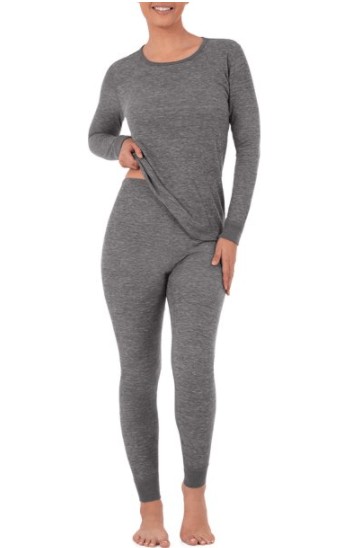
Long underwear or thermal underwear are the #1 layering tool in Canada winter gear. You’ll want this essential packed ASAP.
Essentially, it’s a thin layer of thermal material that you wear beneath your clothes (but on top of your normal underwear). You can get it in a range of styles: pants, long-sleeve shirts, tank tops, t-shirts, etc.
Get at least one pair (a top and a bottom) for your trip to Canada during the winter. You’ll thank me!
It’s best to get a plain colour like nude or black. Sometimes they show outside of your clothes a bit and having something with crazy colours or patterns may look odd.
Socks (& More Socks!)
I didn’t used to get cold in Canadian winters. I was that girl that wore her kilt and socks throughout the winter (when others had switched to tights or pants).
But the one thing that did get cold was my feet.
I have pretty bad circulation so my toes are the first thing to get freezing in Canadian winters. That’s why I’ve learned that socks are saviours.
You probably assume you can just pack long socks and be done with it.
But that’s not the case.
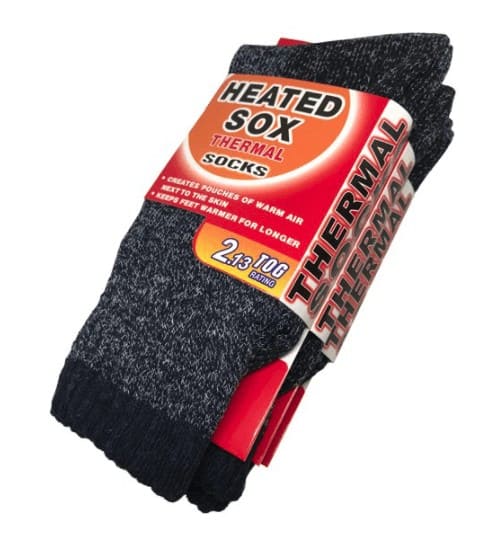
Canadian winters call for special socks: thermal socks.
You can get a cheap pair at Walmart. They’re extremely thick and cozy. I find them better than wool socks for insulation and standing up to exercise.
You should also pack extra normal socks. You’ll want to layer them on beneath your boots.
The sheer amount of snow we get in Canada means that you’re guaranteed to get damp feet at least twice a week (especially if you’re hiking or playing in the snow).
Pack 1.5x as many socks as you usually would so you can trade them out when yours get damp or so you can layer up.

Hats, Gloves, & Scarves
Hat, gloves, and scarves are the best winter accessories. They’re functional, but they can also be very cute.
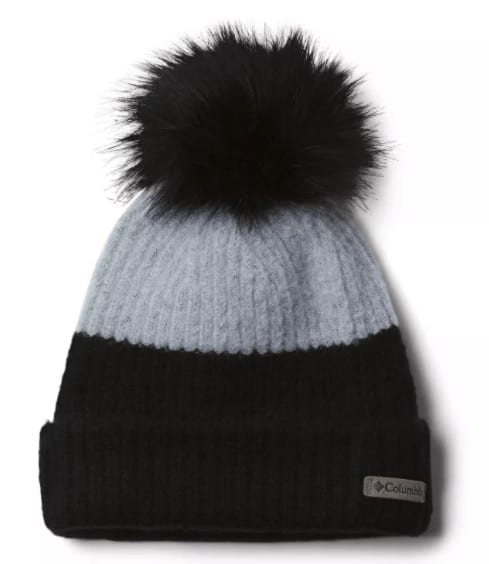
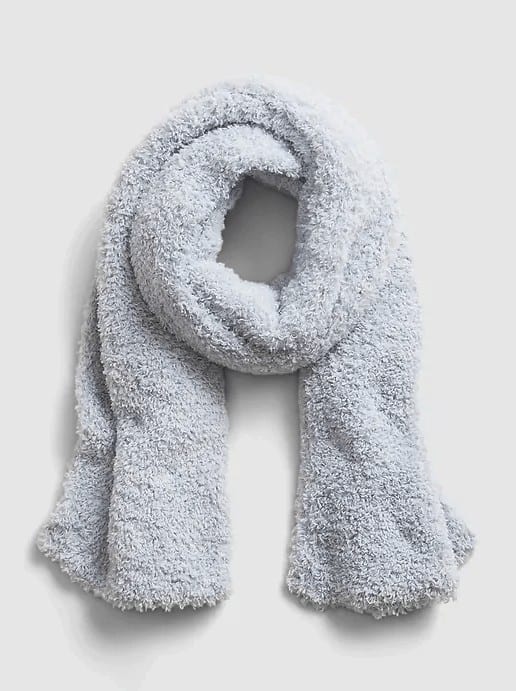
In Canada, you’ll definitely need to pack a few pairs of gloves, a toque, and a scarf.
Alternatively, you can also use a balaclava (essentially a full face cover), a gaiter (a neck cover), mittens, or ear muffs.
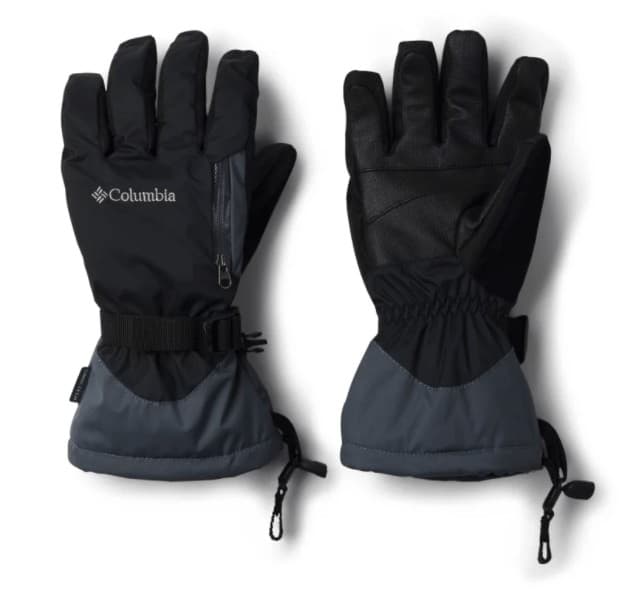
Every Canadian family has a basket in their closet full of assorted winter accessories like these. You can find them at most stores, but I recommend investing in gloves. A cheaper hat or scarf is ok, but you’ll really want a good pair of water proof gloves for any outdoor winter activity.
I even layer a pair of knit gloves beneath my waterproof ones on really cold days.
Boots
Boots are essential for your Canada packing list for winter.
I’ve seen people turn up from London or New York in heels and nearly die the moment they leave the airport.
Not only are our sidewalks icy and snowy, but they’re also cold.
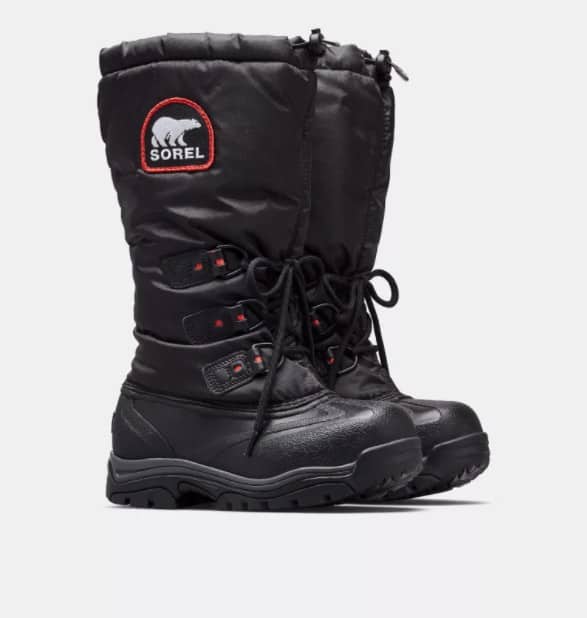
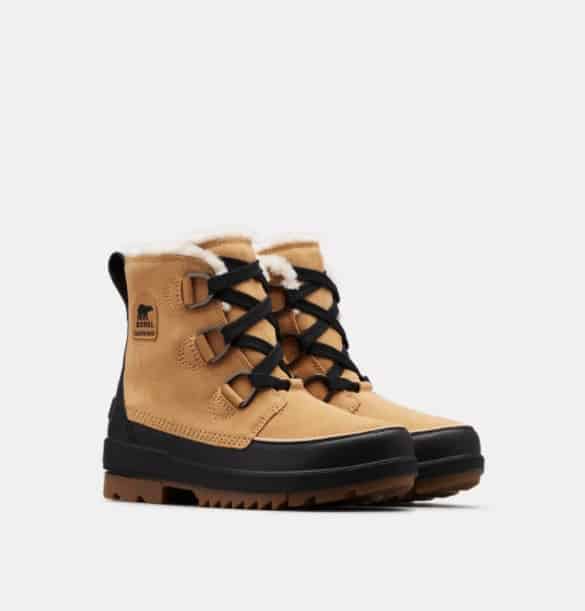
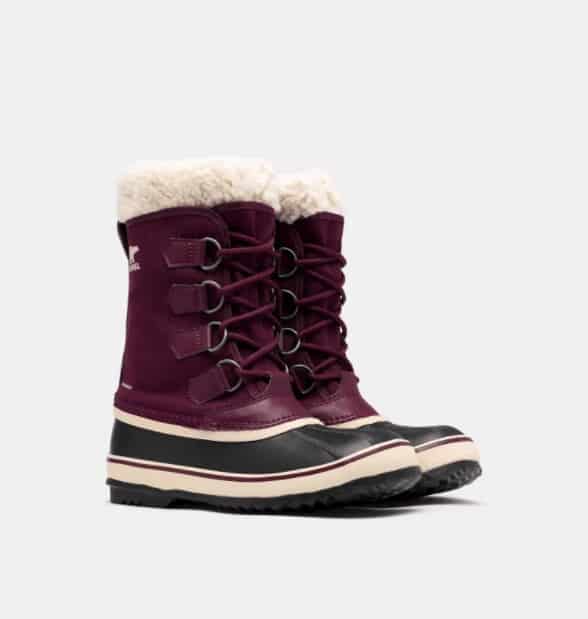
You’ll want to buy a pair of a boots with good insulation and traction. Many people in Canada own a “pretty” pair and a useful pair. For visitors, I always recommend a useful pair. You don’t want to slip and lose a week of your vacation in the hospital.
Sorel is my favourite boot brand. They have boots insulated to -20C without socks.
They got me through winters in Halifax when the snow hit my knees (because yes that does happen here sometimes).
If you’re staying in the city, you can get ankle boots. Anywhere outside the city or in the Territories requires high boots to keep out the snow.
Other Essentials
Canadian winter is a peculiar beast. It’s extremely cold, but usually very bright. The snow reflects the sun, which can be blinding.
As I write this, it’s -16C in Ottawa with the sun shining so brightly I had to close the blinds to see my screen.
You’ll need a good pair of sunglasses so you can actually see while you visit Canada. Don’t go with a $2 pair. Get some with UV protection.
In winter, Canada has a thousand amazing activities for the adventurous traveller. You’ll want to look into getting a pair of cross-country skis or good-quality snowshoes for the many trails around the country. You can even bring your own skates to save on rental charges and to have access to various wild rinks (aka. frozen lakes).
Bring any gear you might need for skiing or snowboarding, like goggles and a helmet.
And don’t forget some hand and feet warmers. They’re amazing little pouches that you put inside your boots and gloves that will keep you warm all day long.
It’s a good idea to carry a bag with you during your travels with extra layers or where you can shed your layers. A tote or backpack is an easy option that’ll help you adjust as the temperatures change throughout the day.
Once you have all of these essential winter gear for Canada, your clothes will scream “Canuk prepared for winter!”

Summarized Canada Packing List for Winter:
Essential Gear for Canada Winter:
- 1 Parka
- 1-2 Thick Sweaters
- 1-2 Thermal Underwear
- Socks (1.5x the number of days of your trip)
- Pants (1 for every 3 days)
- 1 Snow Pants
- Variety of Shirts to Layer
- Hat / Ear Muffs
- Waterproof Gloves
- Boots
- Scarf
- Normal Bras and Underwear
- Sunglasses
- Tote or Backpack
Additional Gear for Canada Winter:
- Snowshoes
- Hand and Feet Warmers
- Skates
- Skis / Snow Board
- Goggles and Helmet
- Additional Layers
- “Pretty” Jacket
- Tights / Skirts or Dresses (to layer over fleece leggings)
- Additional Gloves or Hats
- “Pretty” Shoes (wear with caution!)
Wrap Up
Canada is an amazing winter destination for solo travellers. It’s the time of year when most people are hibernating or skiing.
You can easily join the skiers on mountains across the country, like the famous Whistler in BC or Mont Tremblant in Quebec.
Or explore the less busy cities, like Toronto, on a winter weekend.
As long as you pack the right items, you’re sure to enjoy your winter visit to Canada.
Bundle up and get ready for a northern adventure!
Pin This for Later!


Plan Your Canada Winter Getaway:
- 17 Wonderful Things to Do in Ottawa in Winter
- 30 Best Souvenirs from Canada to Take Home
- 10 Pros and Cons of Living in Canada
- Ultimate Scenic Quebec Road Trip Ideas and 2-Week Itinerary
- 55 Fun & Interesting Facts About Toronto, Canada
- Best Time to Visit Toronto (from a Canadian)
Canada Travel Planning Guide
🚑 Should I buy Canada travel insurance?
100% YES! — Canada has “free” healthcare but it’s only for citizens! Foreigners visiting need travel insurance in case anything happens on their visit. I recommend World Nomads – starting at just $5 a day!
💧Can you drink the water in Canada?
Yes — In all major cities in Canada, you can drink the tap water. There are very few, rural areas that you can’t. However, you should never drink river or lake water anywhere in the country! I recommend a Brita Water Bottle for long hikes and backcountry camping to stay safe and hydrated.
🚙💨 Is it safe to rent a car in Canada?
Yes — Renting a car is a necessity in most of Canada! If you want to go on road trips or adventures outside of the major cities, you’ll need to rent a car. (Read more)
📲 Will my phone work in Canada?
Maybe — Some American companies work in Canada, but many will not. If your phone doesn’t work in Canada, I recommend getting a Canadian SIM card so you can get around and stay in contact with loved ones. We don’t have a lot of free WIFI in Canada, so you’ll need your phone for maps.
🏩 What’s the best way to book my Canada accommodations?
My go-to for Canadian hotels is Booking.com. For hostels, I use Hostel World. If you want a home-y feeling, check out VRBO (which is cheaper and safer than Airbnb).
Or get free accommodations with Trusted Housesitters!
✈️ What’s the best site to buy Canada flights?
For finding cheap Canadian flights, I recommend Skyscanner.
🎫 Do I need a visa for Canada?
Likely Not — US, UK, and EU passport holders don’t need Canadian visas. However, some other countries do (check here!). And if you plan to stay for more than 4 weeks (an average tourist visa length), you will need to look into visas to live in Canada.