
Nina Out and About contains affiliate links and is a member of the Amazon Services LLC Associates Program. If you make a purchase using one of these Amazon links, I may receive compensation at no extra cost to you. See my Disclosure Policy for more information.
What is the Best Time of Year to Visit New Zealand?
Considering a trip to New Zealand? Whether you’re moving down under or going on a two week road trip, you need to know the best time to visit.
New Zealand is blessed with amazing weather almost all year round. During the high season, New Zealand sees average temperatures of 30C in the North Island and 25C in the South Island. This is the peak tourist season for tourists to come and enjoy adventurous outdoor activities.
While winter brings cooler temperatures, most of New Zealand never sees snow. Dunedin, the southernmost city, and Central Otago may see dustings of snow.
But unless you’re in the mountains in Wanaka or the Southern Alps, you’ll likely avoid all traces of winter in New Zealand.
You may think that summer is the best time to visit New Zealand to take advantage of the hottest months and the plethora of activities.
But in actuality, the best time of year is in the shoulder season. In Spring, you’ll find sunny days without the crowds at popular destinations.
Beyond the good weather, you’ll also get lower prices and more options for accommodations.
If you’re considering what time of the year to visit New Zealand, read on as I break down the weather conditions of each month and the best things to do in each season.
Moving abroad? Save more in booking your flights and accommodations by using this platform!
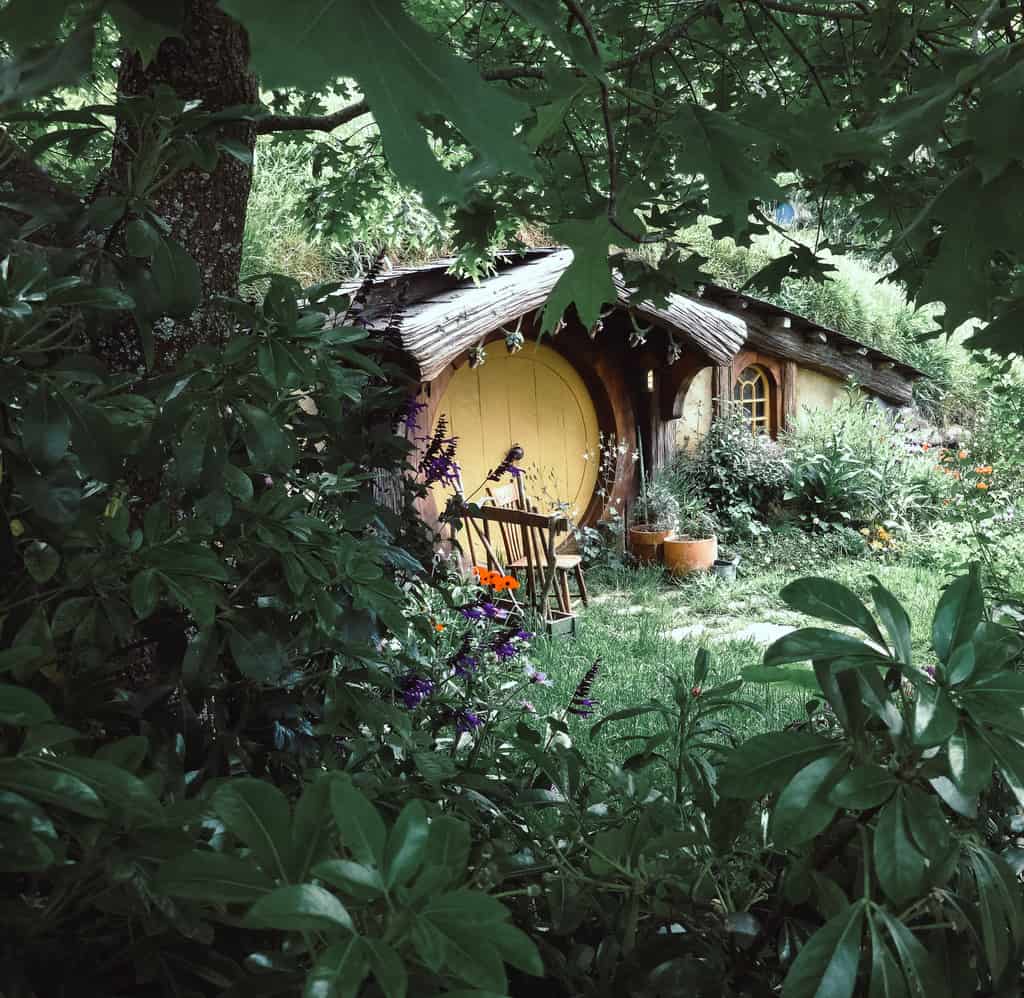
What Are New Zealand’s Seasons?
New Zealand has 4 distinct seasons, but they don’t look quite like they do in the rest of the world. Because New Zealand is in the Southern Hemisphere, they’re having Christmas on the beach while the rest of us shiver in the snow.
You get used to the flip quite quickly if, like me, you decide to move to New Zealand.
But it’ll still be weird calling your family complaining about a sunburn while they’re worried about frostbite up in Canada.
So keep in mind that when we’re discussing the best time of year to visit New Zealand, we’ll be talking about the Southern Hemisphere seasons. I’ve included a quick guide to help you figure out when each season is (because I’ve made that mistake myself before!).
Quick Guide to New Zealand’s Seasons:
Winter is from June – August
Spring is from September – November
Summer is from December – February
Autumn is from March – May
New Zealand’s Weather and Climate
What is the weather like in New Zealand?
New Zealand is a moderate country. Even their weather doesn’t go to extremes!
However, the weather does vary across this small country.
In general, New Zealand is a sunny place during the summer and a rainy place during the winter. The country receives 1000 hours more sunlight than London!
The further north you go, the warmer it is. For example, Auckland hasn’t seen snow in decades!
But further south, it gets colder. Dunedin regularly receives snow.
In the South Island of New Zealand, you’ll find a line of mountains down the center. This affects the temperature, as the higher altitudes make for colder climates.
North Island Climate
The North Island is known as the warmer island. It’s considered subtropical climate, enjoying warm temperatures even in winter.
When I lived in Auckland, I regularly wore a tee-shirt on 10C days in the middle of New Zealand’s winter!
However, New Zealanders find this weather cold. Many of them go around in bulky jackets while we Canadians will be out there in shorts in July.
The North Island is also considered the wetter island. This is because it doesn’t get snow in the winter.
Instead, it gets torrential downpours. I’m talking soaked to the bone from the two-second run from the bus stop to your office building.
Read about things to do on the North Island
South Island Climate
New Zealand’s south island is a cooler climate.
Oddly, it contains the wettest and driest parts of the country.
The wettest can be found in the rainforest region of Franz Josef.
The driest area is found in the southeast in Otago at the very south end of the main islands.
The mountain barrier in the middle prevents the rain from the rainforest from drifting to the eastern side.
Down in the South Island, you’ll certainly see snow in the winter. It gets properly cold weather, which has led to celebrations like the Queenstown Winter Festival.
This is the place to be for skiing on snow-capped mountains in the Southern Alps.
In the summer, it’ll still be warm, but you may need a light jacket in the evenings.
Read about things to do on the South Island
Month by Month Guide to New Zealand’s Weather
January
January is the warmest month in New Zealand and the height of summer. This is peak season, when tourists seek an escape from Northern winters and head down under.
Days are best spent enjoying water-based activities to keep you cool as you explore New Zealand. Popular beaches in the Bay of Islands and the Coromandel Peninsula will be in full swing.
The country’s offices are usually closed for the first couple weeks for the summer holiday and Christmas celebrations.
February
February is the start of the school year in New Zealand. It’s like our August/September in North America.
Tourism starts to slow down in February, but the warmth is still there. Head to beaches on weekends between work to enjoy the last of summer.
March
March is the equivalent of September/October, when the first cool drafts of autumn come along.
However, in New Zealand, it’s more like a continued warm breeze.
It’s the last month of summer and the end of warmer temperatures.
The nights begin to get cooler, so it’s the perfect time for a nighttime walk outdoors.
April
April is a great time to spot fall foliage in New Zealand. You’ll find this deep in the South Island in Queenstown and Otago. Take a road trip to enjoy the views.
April is also the month when Anzac Day occurs. It is a common holiday period for Kiwis.
In early autumn, you’ll still have warmer weather but the blue skies will begin to fade.
May
May is the last day of autumn before winter. May will start to bring winter showers.
This is the cheapest month to visit New Zealand, so it’s the best time to go if you’re on a budget.
But be warned: you may get rained out of activities.
June
June is the beginning of winter in New Zealand. Ski resorts will begin to open. Take advantage of this by visiting Wanaka, where you can tackle some of the best hills in New Zealand.
High rainfall will begin more regularly in northern cities like Auckland.
July
July is the coldest month in New Zealand. It’s one of the best times to visit New Zealand if you like winter sports or don’t find -1C cold.
I visited Dunedin during July – arguably a terrible decision as it’s one of the coldest places in New Zealand at the time. All I needed was a light fall jacket!
You definitely don’t need to treat New Zealand winter like a Canadian winter.
August
August has the highest chance of snowfall in New Zealand.
Personally, I prefer this month for the Wellington on a Plate festival for foodies.
It’s also one of the darkest times in New Zealand, especially with the rain in Auckland. You’ll find fewer sunny days across the country.
September
Spring has arrived in New Zealand!
September marks the return of outdoor activities, like hiking and mountain biking, in New Zealand. It’s a great time to go before tourists arrive, prices increase, and it’s too hot to climb without getting heatstroke.
October
October is the best time to spot spring flowers in New Zealand. You’ll also spot baby wildlife as you explore.
You can even check out the lambing fields to see hundreds of little babies exploring the leas for the first time!
This is the best time of year to visit garden city destinations like Hamilton.
November
November is the best time to travel to New Zealand if you want budget-friendly accommodations, reliable weather, and fewer tourists.
Hit up all of the famous attractions, like the glow worm caves and Hobbiton, to enjoy the best of New Zealand.
On a tight budget, you can still get warm days and hit up the best places in New Zealand without the threat of bankruptcy from hostel costs.
December
December is the start of summer in New Zealand – an odd thought for those of us in the Northern Hemisphere.
This is the best month to visit New Zealand for a warm Christmas celebration on the beach! I recommend a clam bake followed by some time in the water for a true Kiwi celebration.
The days are getting longer and warmer. You’ll need to slather on sunscreen regularly.
For the holiday season, many businesses close for the last two weeks of December.
Busiest Times to Travel to New Zealand
Christmas Break
Christmas Break the best time to visit New Zealand if you want to spend time with friends and family. Most of them will have 2 – 4 weeks off of work to enjoy their celebrations.
However, that also means a ton of Kiwis on tour, enjoying their own country.
From mid-December to mid-January, there are way too many people around to travel easily.
Easter
Many Kiwis travel for Easter. They use this time to take a week off work and take their children on holiday locally.
Summer Season
The summer season is when most European and American tourists come to visit New Zealand. From December to January, you’ll find thousands of people increasing the prices and making you reconsider if this is the best time to go to New Zealand.
School Holidays
Any school holidays in New Zealand mean people on the road.
Kiwis love to explore their home country, so they tend to take their kids on adventures.
Ski Season
Ski season is incredibly busy in Wanaka and Queenstown, where some of the best ski hills are located in New Zealand.

What is the Best Time of Year to Visit New Zealand?
Summer
Summer is the most popular time of year for tourists to visit New Zealand. It makes sense really, people flock to the islands for warm beaches, enjoying the water and fleeing the cold in their home countries.
However, I don’t think summer is the best time of year to visit New Zealand.
New Zealand is unfortunately situated beneath a hole in the ozone layer.
That means the sun is epically strong all year round, but especially so in the summer months.
From December to February, the sun is so intense that you can get a sunburn in just 7 minutes if you’re not careful.
And that intense sunlight means intense heat. The average daytime temperatures rise to 35C regularly with the intensity of the sun, making the air unpleasantly heavy.
Although averages hover around 25C across the country, when I lived in New Zealand the 20s felt more like the 30s if you were out of the shade.
Unlike in the Caribbean, there aren’t daily rain showers to help break that heat. You have to hunt down shade or risk turning into a lobster.
Usually, heat and sun would be great for a beach holiday, but travellers shouldn’t limit themselves to beaches in New Zealand.
New Zealand has so much more than just white (and volcanic black!) sand. It’s one of the best locations in the world for hiking – a feat that becomes almost impossible with the heat of summer.
Many hikes, like the famous Tongariro Alpine Crossing, have no opportunities for shade.
Between the intensity of the heat and that of the climb, you’ll be a puddle of sweat in no time.
But the main reason to avoid visiting New Zealand in summer is your budget.
Kiwis know that summer is a popular time for tourists to visit, with people making use of their Christmas leave to take a longer trip down south, so they increase prices to match the rise in demand.
It becomes harder to find hostels, and if they’re available they’re more expensive. Costs of gear and tours increase. Even plane tickets get marked up dramatically!
So, if you’re looking to save money, skip visiting New Zealand in summer.
Pros of Summer:
- Good Time to Spot Dolphins and Fur Seals on South Island
- Consistently Sunny Skies
- Festivals Around the Country for Tourists
- Perfect Weather for Beaches and Water Activities
Cons of Summer:
- More Expensive
- Very Crowded
- Too Hot for Many Activities
- Country Closes from Dec 15 – Jan 15 for Christmas
- Difficult to Find Accommodations
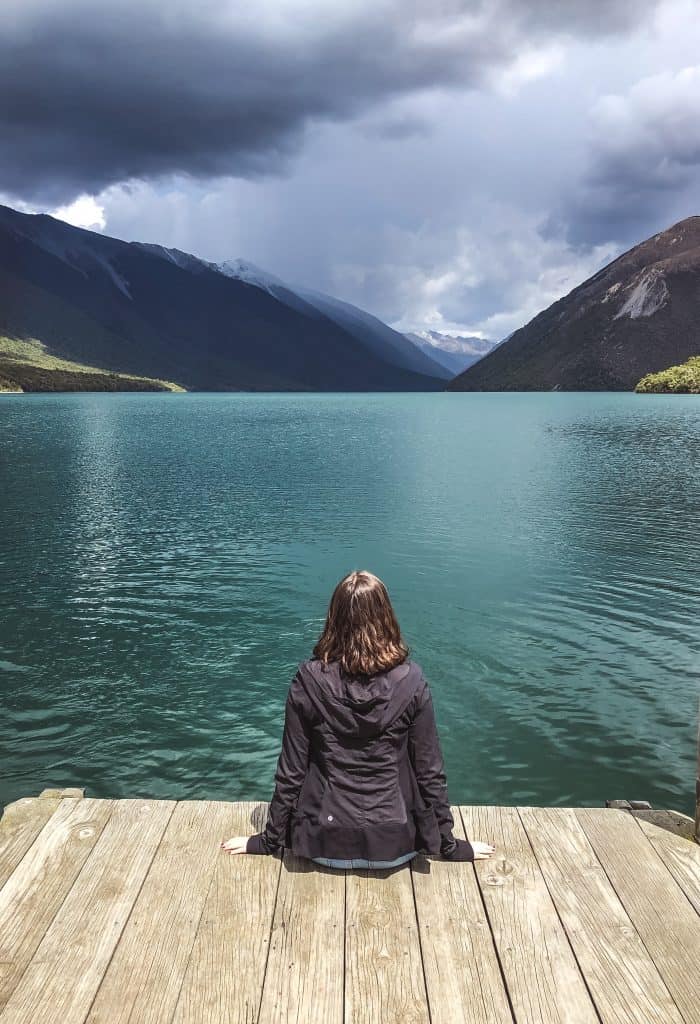
Autumn
Autumn in New Zealand isn’t called Fall. I made that mistake a few times and got laughed at because it’s a very North American term.
Locals go back to work after their long Christmas holiday (seriously, the country shuts down for about a month and somehow everything still gets done). Things begin to settle before winter arrives.
The crowds of tourists fade after the bustle of summer and prices begin to fall, making it much more affordable for visitors.
Some of the animals may begin to migrate, but there are so many spots around New Zealand for wildlife encounters that you’ll find somewhere to see the kiwi birds, dolphins, seals, sperm whales, and the smallest penguins in the world all year round.
This is the best time of year to visit New Zealand for cultural celebrations.
Although Waitangi Day, New Zealand’s version of the 4th or 1st of July, is in February, the real celebration kick-off for Anzac Day on April 25th.
It celebrates the soldiers who fought in Turkey during World War I.
Cities like Auckland go wild, with parades and events throughout the day for visitors to attend.
Temperatures fall to a more comfortable average of 18C, but the winter rains start to fall sporadically through the Autumn months.
That makes hiking and day trips from Auckland more enjoyable. But you may experience a day or two of rain during your autumn road trips to visit the changing leaves in the South Island.
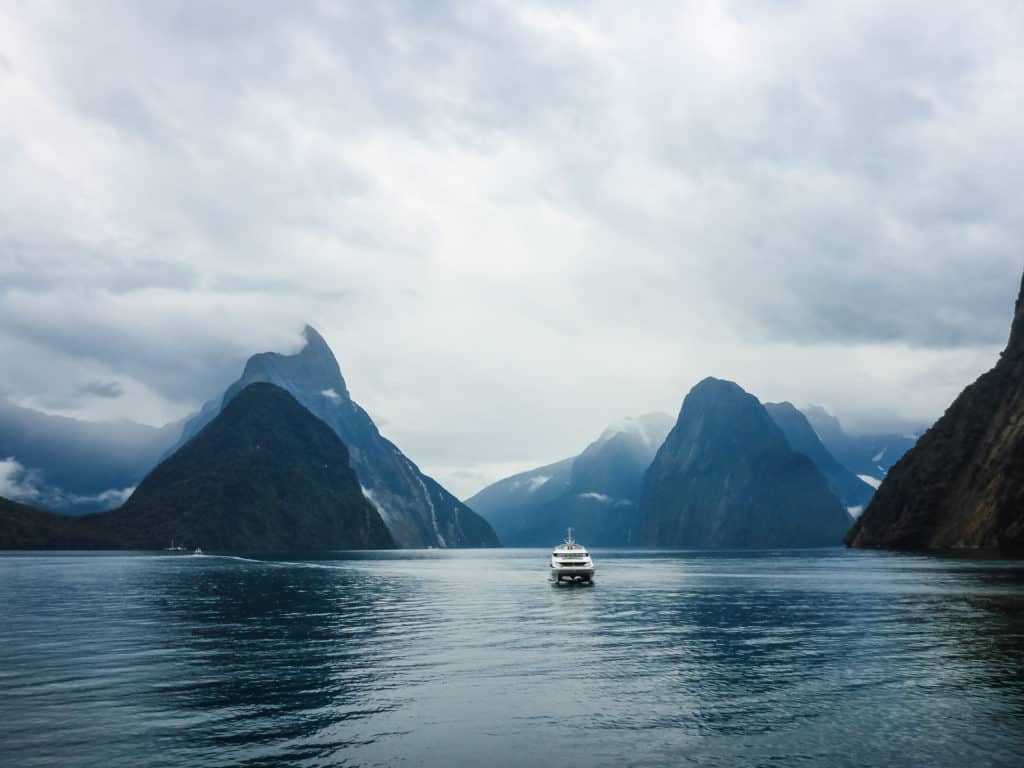
This actually improves the beauty of the 8th Wonder of the World, Milford Sound, which is best viewed after a rainfall to see the impressive waterfalls in the fjord. It’s an ideal time to visit this attraction outside of Queenstown.
So, if you’re looking for fewer people and are willing to deal with a chance of rain, autumn is the best time of year for you to visit New Zealand.
Pros of Autumn:
- Anzac Day Celebrations
- Great Weather for Hiking
- Milford Sound at its Best
- Great Time for Road Trips and Camping
- Less Expensive
- Less Crowded
Cons of Autumn:
- Risk of Rain
- Risk of Early Cold Fronts in the South Island
- Chance of Less Wildlife
- Cooler Weather for Beaches and Water Sports
- Week of Closures With Easter Holidays
Winter
Winter in New Zealand is an interesting experience.
It varies greatly depending on where you’re staying in the country.
Most of the North Island never sees snow.
When I lived in Auckland, the lowest temperatures we got were 8C , but we averaged 16C and I routinely wore t-shirts walking to work.
However, the South Island gets proper winter weather.
Dunedin and Mount Cook can get snowfalls throughout the winter months, although temperatures still average 7C overall. The alpine areas of the Southern Alps require proper winter gear, especially for snow sports.
The worst part of New Zealand winters isn’t the temperature: it’s the precipitation. No matter where you are in the country, you’ll see a winter storm.
It’s like the clouds wait all year to unleash truly spectacular amounts of rain that will have you soaked to the bone on the sprint from the bus stop to your office (it happened more than once!).
Although they don’t happen every day, when a storm comes you know the day is a write-off.
The skies are so black it feels like night. And a cuppa isn’t enough to drive away the gloomy feeling.
That being said, winter isn’t a total write-off for visitors to New Zealand.
It’s the cheapest time of year to visit New Zealand, which is great for budget travellers. Temperatures aren’t so cold that you’ll need to be bundled up for a visit and miss out. But you should plan to stay longer due to the risk of rainy days.
Winter in New Zealand is the best time of year for anyone who likes winter sports.
You wouldn’t expect it, but the country has some great options for skiing and snowboarding. I don’t do either of these, so I didn’t appreciate winter much, but fellow travel blogger, Young Adventuress, has some great posts on winter adventures in New Zealand.
One of the cons of living in New Zealand is the poorly built houses.
Unfortunately, no one ever told Kiwis about insulation it seems, so houses can feel properly Antarctic during the winter.
Most have heating, but you’ll want to be thorough in your Airbnb or hostel search to ensure that you don’t lose a toe in the middle of the night (seriously, how does it get COLDER than outside in winter??).
So, if you’re looking for a bargain and you enjoy snowboarding, winter is the best time of year to visit New Zealand.
Pros of Winter:
- No Tourists
- Skiing and Snowboarding
- Cheapest Time of Year
- Humpback Whales Pass Through
- New Zealand’s “Cold” Isn’t Truly Cold
Cons of Winter:
- Cold Houses
- Rain and/or Snowy
- Colder Weather
- Many Tours Don’t Run During Winter
- Shorter Daylight Hours
- No Camping, Limited Hiking, and Bad Time for RV Living

Spring
Ah spring, usually my least favourite month (thank you allergies). But not in New Zealand!
The spring season is undoubtably the best time of year to visit New Zealand.
It’s before the rush of summer tourists arrive on the islands, when it becomes nearly impossible to find a room if you haven’t pre-booked.
It’s also just before the spike in prices in mid-November. So you can budget travel better by saving money and being more flexible with your schedule.
If you’re looking to save money by staying in an RV or on campsites, spring is the best time for you to visit New Zealand.
You’ll find cheaper rentals and great weather for overnights outdoors.
Average daytime temperatures in Spring across the country are 17C.
There’s a chance of rain, much like autumn, as the winter storms die out for the year. But the rain that comes is nowhere near as intense as that in winter.
Due to the recent rains, Spring is the best time of year to go white water rafting in New Zealand or to see Milford Sound with its full waterfalls.
The colourful lupines of Lake Tekapo and the fur seals begin returning, making it a great time to explore New Zealand’s wildlife. Other animals begin to return, making it a great time to see whales, dolphins, penguins, and native birds throughout the country.
Spring in New Zealand also marks the start of lambing season, when the plethora of sheep (they outnumber people in New Zealand) start to give birth to their babies. You’ll have plenty to see on your road trips!
Hiking is more palatable in the cooler weather, although the heat will probably drive you to jump in the warming ocean before it hits its summer highs.
So, spring is definitely the best time of year to visit New Zealand no matter what kind of traveller you are. But you’ll especially enjoy the freedom of the country before the tourist rush, the cheaper prices, and the beautiful scenery in full bloom.
Pros of Spring:
- Warmer Months But Not Boiling
- Great Weather for Hiking
- Milford Sound at its Best
- Great Time for Road Trips and Camping
- Less Expensive
- Less Crowded
- Return of Wildlife and Plantlife
- Prime Time to Visit Stewart Island
Cons of Spring:
- Risk of Rain
- Mid-November, Tourist Season Starts
- Risk of Allergies
- Some Tours Don’t Start Until October
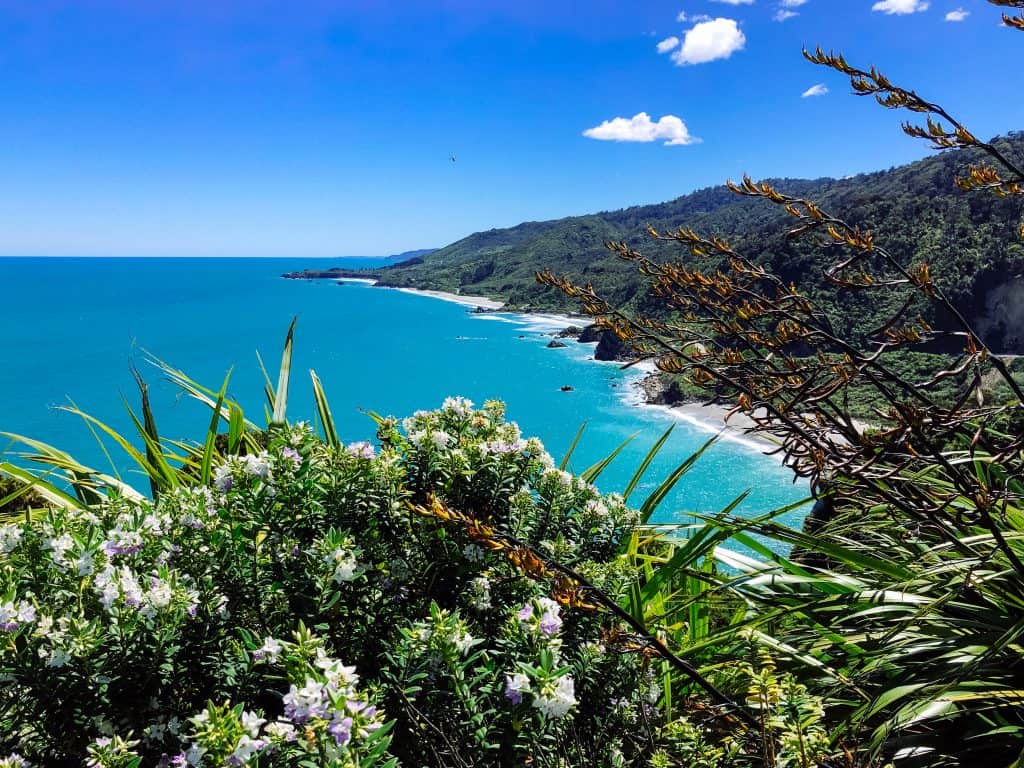
Verdict: The Best Time of Year to Visit New Zealand Is Spring
I think that was pretty clear above, but I’ll say it again for those in the back: Spring is the best time of year to visit New Zealand.
Although the country is gorgeous in any season – with incredible things to do in the North and South Islands all year round – there’s something magical about spring in New Zealand.
Maybe it’s the rebirth of the colourful flowers on the shores or the influx of animals.
Or maybe it’s the empty roads and lack of lines at tourist destinations.
Either way, spring was definitely my favorite season in New Zealand. Spring was when I went swimming with wild dolphins in Kaikoura and skydived in Taupo thanks to the clear skies and warm weather.
I found summer too busy and far too hot.
Autumn was the second-best season, but the knowledge that winter was around the corner added some trepidation.
Then winter hit and I desperately missed the intensity of the sun (and warmth inside any building).
Ultimately, New Zealand is a year-round destination. There is never really a wrong time to visit the country, but to get the best weather and a good deal on your trip, I recommend visiting in Spring.
Unless you’re looking for a particular activity, festival (like Maori New Year in June), or winter-based sport, you’ll have an incredible holiday in the spring months.
The longer days will give you a good reason to cover more activities in the country. The pleasant weather beats other times of year and guarantees an epic trip.
Moving abroad? Save more in booking your flights and accommodations by using this platform!
FAQs
What are the sunniest places in New Zealand?
New Zealand is a sunny place, generally. You won’t go wrong with a visit to most areas in the country.
However, if you’re looking for certainty of sunshine, head to Hawkes Bay. This region has the most sunlight in New Zealand, seeing over 2,200 hours of sunshine per year!
On the South Island, Nelson and Marlborough have an average of 2,500 hours of sunshine per year.
That’ll make your wine trip much more enjoyable!
What are the wettest and driest places in New Zealand?
The wettest regions lie on the West Coast of the South Island, where the glacial rainforests are. They receive frequent rain, often cancelling New Zealand bucket list adventures like skydives.
Milford Sound and Franz Josef are regularly rained out.
Luckily, Milford Sound is best enjoyed when the waterfalls have been recently flooded!
Do I need to wear sunscreen in New Zealand?
You will 100% need to wear sunscreen in New Zealand, no matter your skin type.
New Zealand has a hole in the ozone layer above the islands that makes sunlight more intense than in other countries.
On some days, you can burn within two minutes of being outside!
So slather on some SPF 60+ and stick to the shade.
Prepare to get a little bit burnt if, like me, you’re incredibly pale.
When is the cheapest time to visit New Zealand?
The cheapest time to visit New Zealand is in winter. July and August are the cheapest months, although there is a higher chance or rain or snow and many activities don’t run during these months.
When is the best time of year to visit New Zealand?
The best month to visit NZ is in October. Late spring offers opportunities for travel without crowds.
What is the hottest place in New Zealand?
The hottest places vary year to year. But typically Auckland, Nelson, Rotorua, Christchurch, and Tauranga have the hottest temperatures.
When is the best time to visit North Island, NZ?
The best months to visit the North Island are October and November in late spring.
When is the best time to visit South Island, NZ?
The best months to visit the South Island are in November and December.
What is the weather like in New Zealand in January?
January is summer in New Zealand, so it has the hottest temperatures with the majority of sunny days.
Related Posts:
- 57 New Zealand Travel Tips: Things to Know Before Going to New Zealand
- Tipping in New Zealand: To Tip or Not to Tip?
- The Ultimate New Zealand Bucket List: 79 Unique Things to Do
- 101 New Zealand Fun Facts To Know Before You Go
- 20 Things to Do in Wellington, New Zealand: Best Attractions & More
- 20 Things to Do in Waiheke Island For the Perfect Day Trip
Pin This for Later


Living Abroad Travel Planning Guide
🚑 Should I buy expat travel insurance?
100% YES! — With basic coverage averaging just $5-10 USD per day, enjoy peace of mind with a plan from Safety Wing!
🌎 What is the best country to live in as an expat?
It depends – the best country to live in as an expat will depend on your unique needs. I developed this free quiz to help you figure out where is right for you!
📍 How do I pick a country to live abroad?
It depends – picking a country to live in is hard. That’s why I developed this $7 course to share all of the steps I’ve taken when deciding to move to 20+ different countries, and how I handle homesickness when I get there.
Ultimately, making the choice of where to move is going to be hard. But the hardest thing is deciding to move abroad at all!
💼 How do I get a job as an expat?
You can find work abroad via local job boards or temp agencies. My favourite way to work is remotely, so I always look for jobs on FlexJobs.com when I live abroad. They hire for 100% remote roles only.
If you’re looking to teach English abroad, Premier TEFL has the best online course to get you great work!
💰 How do I open a bank account abroad?
Wise.com offers free global accounts, and the cheapest money transfers. Since it can be a headache to open bank accounts in different countries (it took me 2 months in the UK!), Wise.com is a great solution.
I actually use it as my primary bank now worldwide due to the multi-currency debit card. (Read more)
👯♀️ How do you make friends abroad?
Meetup.com – Meet likeminded people who share a similar hobby with Meetup! It’s free to join, but some activities may cost money, like if you go to a cafe and get a coffee.
🙀 I don’t speak the language. Can I still live abroad?
Learn languages in no time with iTalki! Moving abroad is an opportunity to learn the language. You don’t need to know it before you leave home.
💻 Do I need a VPN?
Yes! – VPNs allow you to access more of the internet. From US Netflix in the UK to social media sites banned in Asia. It’s a really helpful and cheap thing to ensure your online activities aren’t restricted.
🧳 What’s the best luggage for living abroad?
This is my favourite luggage set for long term travel. You can read more about my review of types of suitcases for travel here.
🏡 How do I tell my friends and family I want to live abroad?
Take this $7 course and learn the exact script I used to tell my family I was moving abroad … and then when I did it again. I even include tips for prepping your family, and for how to handle family who aren’t supportive.
✈️ What’s the best site to buy cheap flights?
To find cheap flights, I recommend Skyscanner. (Read more)
🏨 What’s the best site to find cheap hotels?
To find cheap hotels, I recommend Booking.com. (Read more)
Or stay for free with Trusted Housesitters!
🚗 What’s the best site to rent cars abroad?
To find cheap rental cars, I recommend Discover Cars.
🚗 What’s the best site to find tours?
To find epic tours, I recommend Viator.