Nina Out and About contains affiliate links and is a member of the Amazon Services LLC Associates Program. If you make a purchase using one of these Amazon links, I may receive compensation at no extra cost to you. See my Disclosure Policy for more information.
57 New Zealand Travel Tips (2024 Local’s Guide)
New Zealand should be on everyone’s bucket list, but before you travel to New Zealand, you need to know some tips.
I’ve gathered the best tips I learned from living in New Zealand for a year to help you travel smoothly throughout the country. Whether you’re looking to tour in a campervan, live there on a Working Holiday Visa, or fly between the major cities, this guide will help you out.
Keep reading to discover the things to know before going to New Zealand to ensure you have an epic solo trip!
This is my favourite tour of New Zealand!
57 Best New Zealand Travel Tips
These are important New Zealand travel tips that you should be aware of before you arrive in New Zealand.
I made the mistake of not knowing most of these, and it made my trip much more challenging.
1. Clean Your Hiking Gear
New Zealand is home to a lot of exotic plants and animal species. However, they’ve lost a large part of their native wildlife to invasive species and diseases.
One of the methods they’re using to help prevent the spread of contaminants that can cause things like the Kauri dieback disease, killing the famous New Zealand tree, is cleaning hiking gear.
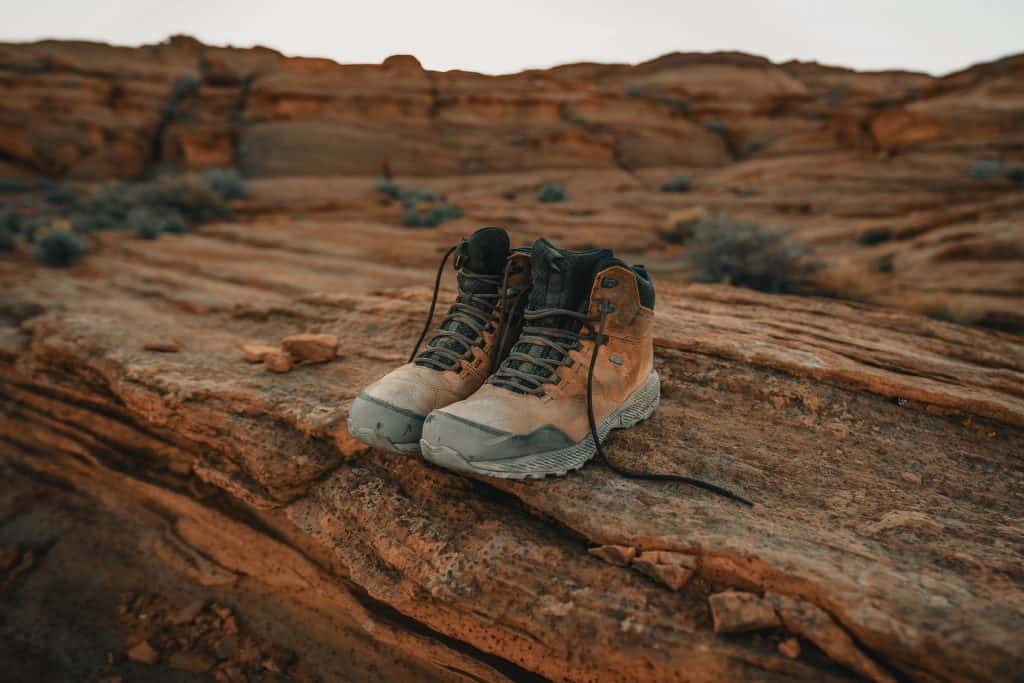
You cannot enter New Zealand with unclean hiking gear – especially hiking boots.
If you’re like me and “cleaning your hiking equipment” means letting the mud dry and stamping your feet, don’t worry!
Declare your gear at the airport and they’ll clean it for you. (This isn’t some scary declare it and they’ll confiscate it deal. They really do clean it!)
You’ll get some shiny, disinfected gear. And they get the assurance that your boots won’t bring in a virus.
Most hiking spots in the country have little disinfectant stations. Please be kind to New Zealand and take the moment to brush your shoes and spray them down.
It only takes a moment to help save an ecosystem.
I recommend these hiking boots
2. New Zealand Slang
If you’re new to New Zealand, the slang can be a little confusing. Here are some common words and phrases to help you get by:
- Kia Ora – This is a common way to greet new people, and it’s similar to saying hello or hi.
- Togs – This is the slang used for swim trunks.
- Lolly – The term used for a candy.
- Sweet As – A common term used to mean “nice” or “awesome”.
- Dairy – Corner store.
- Kiwi – This is a PERSON not a fruit or a bird.
You can learn more about kiwi slang in this post.
3. Emergency Number
The emergency number in New Zealand is 111.
It’s important to know this before you go. Although New Zealand is a very safe country, with low crime rates and no poisonous animals, you’re better safe than sorry.
Note that 111 is the number for all emergency services. You will then be prompted to choose the service you need, such as police or firefighters.
Do not call them unless it is an emergency.
If you have issues with your passport, contact your embassy.
If you have a non-urgent crime to report, such as something having been stolen, search for the nearest police precinct.
4. Best Time to Go to New Zealand
The best time to go to New Zealand depends on where you plan to visit and what you’re hoping to do.
If you’re looking to experience all the fun adventures and natural wonders of the country, visit during Spring (Sept – Nov).
However, skiers will want to arrive during Winter (June – Aug) to get the best opportunity to ride the slopes in the South Island.
Summer (Dec – Feb) is extremely hot, so it’s not a great time to visit New Zealand unless you’re planning to stick to leisure activities that don’t work up a sweat. This is a great time for beach activities and swimming with wild dolphins.
Fall is a nice time of year for wine tours and harvest-based activities. I also found it a great time to visit little blue penguins, as it was the shoulder season so fewer people were around.
Click here to read more about the best time of year to visit New Zealand.
This is my favourite tour of New Zealand!
5. Working Holiday Visas in New Zealand
New Zealand is one of the best countries in the world to visit using a working holiday visa. The country has a large number of industries and locations that offer great work opportunities for new people looking to gain new skills and experience.
With a Working Holiday Visa, you can stay in the country for up to 2 years (depending on your citizenship), working to fund your experiences.
I used a Working Holiday Visa to earn money while I got to explore this amazing country.
This is my favourite tour of New Zealand!
6. Maori Etiquette
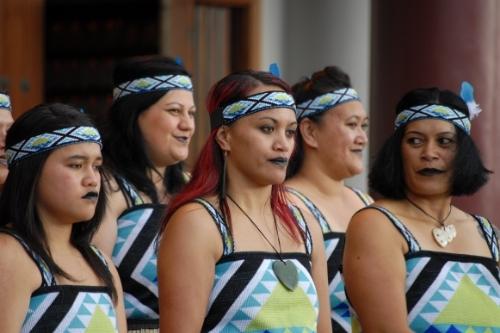
New Zealand is the ancestral land of the Maori people. When you visit, you should respect their customs.
The main custom is when you are on Maori land and visit a marae, you need to remove your shoes.
However, an unspoken custom for the Maori is to respect the land. Do not veer off of trails while on hikes, especially in places like Tongariro National Park, where the land is sacred to the Maori.
Learn more about Maori culture on this tour
7. No Bartering
New Zealand is not a society where bartering is accepted. When shopping, even at farmer’s markets, you will be expected to pay the requested price.
Bartering is seen as rude.
8. Qualmark Symbol
The Qualmark symbol can be found on tourism-related products. This includes hotels, tours, vehicle rentals, activities, and more.
Qualmark is an authority that tells you a place or product operated professionally, has proven their ethics, and that they can be trusted.
To spot the Qualmark symbol, look for a silver mark with a New Zealand silver fern on it. It should also say “Qualmark”.
9. Kiwi Internet Sucks
Well, it kind of sucks. Mostly the accessibility is a problem.
When I’ve travelled the world, almost every hotel and hostel has had free, quality wifi. In New Zealand, that’s not the case.
Internet is offered and said to be free, but you’ll likely find it unusable, especially at hostels.
Places like Starbucks will have better quality wifi, but they are hard to find outside of the major cities.
You’ll also find many off-the-grid places with no access to the internet at all. This is why it’s vital to have a good data plan in New Zealand.
I recommend this WIFI hot spot for travel

10. Cell Service is Limited
A lot of New Zealand is rolling grass hills full of sheep and cows.
So many places don’t have cell phone towers to provide service. In fact, if you look at provider maps from various New Zealand phone companies, you’ll find many spots with no service.
These tend to be farmland and won’t affect you other than on your drive through the countryside.
But if you’re camping in more rural areas, be sure you’re comfortable without bars for the night.
11. No Mozzies, but Sandflies are Worse
New Zealand is free of many irritating pests from other countries. Mosquitos, for example, don’t exist in New Zealand.
But they have a different horror: sandflies.
I found out I’m incredibly allergic to sandflies when my legs kept swelling up with baseball-sized welts in the summer.
These gnat-sized insects nip at you and cause the itchiest bug bites I’ve ever had (others say this too, even if they aren’t as allergic as I am).
It’s why bug spray is a must in New Zealand, especially in the summer months.
Don’t forget your bug spray!
12. New Zealand Currency
New Zealand operates with the New Zealand Dollar. It comes in colourful notes ranging from $5 to $100.
There are also coins. The smallest coin option is $0.10.
It’s one of the reasons that New Zealand prices are so nice and round!
Get the lowest conversion fees with Wise.com!
13. Sales Tax is Included
One of my favourite things about being in New Zealand is that sales tax is included in prices.
I have a pet peeve about sales tax not being included in Canada or the US, as it always throws off my mental math.
When in New Zealand, know that the labelled price is the total price. There will be no tax added on top of the price tag.
14. Wine is the Cheapest
If you’re heading to New Zealand to party, as many backpackers enroute to Queenstown are, then you’ll need to know the cheapest alcohol in the country: wine.
New Zealand is a major producer of wine, which makes it incredibly cheap in the country.
You can buy wine from any grocery store in the country for a small amount.
If you prefer beer, expect a higher price tag. Spirits are also more expensive.
I love this wine tour in New Zealand
15. Carry Your Passport
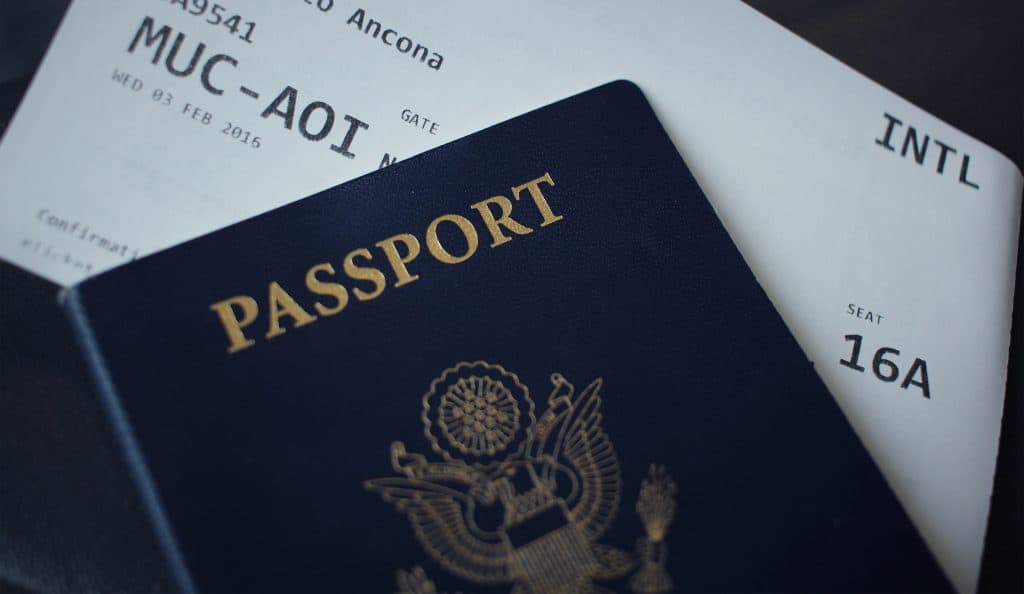
If you are not from New Zealand, you will need to carry your passport.
This is a solo travel safety nightmare, but it really is necessary if you plan to go to a bar – which most travellers do.
To purchase alcohol or go anywhere with an age restriction, you will need to show your passport. New Zealand doesn’t accept any other type of foreign ID, as they are too easy to fake.
It’s cumbersome to carry your passport around all the time, but you get used to it. Just ensure you don’t get too drunk and forget it somewhere.
16. Tap Water is Safe to Drink
The tap water is safe to drink in New Zealand.
Unless a hotel or hostel tells you otherwise, you should be safe to drink the tap water around the country.
In fact, you can sometimes drink from waterfalls, like on the Franz Joseph Glacier Walk!
It’s still a good idea to use a filtered water bottle
17. Carry Reusable Bags
New Zealand is a very sustainable country. When travelling in New Zealand, I recommend carrying at least one or two reusable grocery bags (you can buy them from any grocery store).
Otherwise, you’ll be charged for plastic or paper bags at every establishment.
I always use this reusable grocery bag abroad
18. Best Coffee in the World
I don’t drink coffee, and when I tried it I found New Zealand’s to be very strong.
But that’s what makes it so good apparently.
With a big coffee culture, New Zealand has curated some of the best coffee drinks.
Flat whites are the main drink of choice. So be sure to try one in New Zealand!
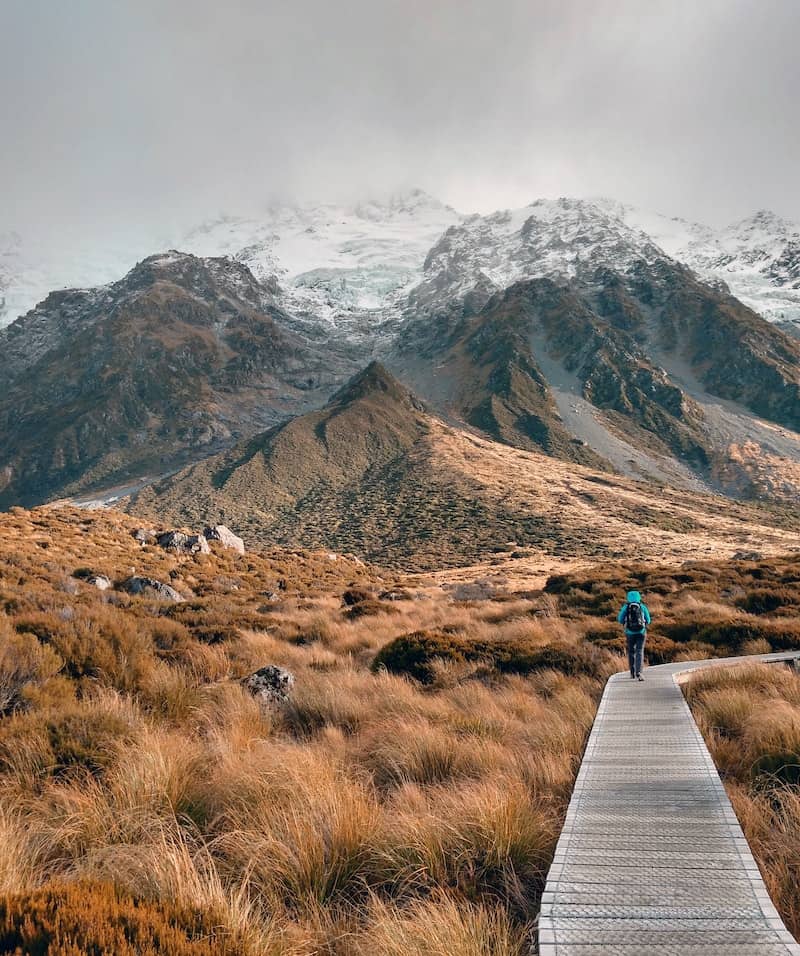
19. Hiking is a Big Deal
New Zealand is a great hiking country.
If you’ve come to New Zealand for the outdoors, be sure to do some hikes!
They are not as easy as trails in other countries – expect some steep climbs.
But they are worth it for the views.
If you’re going to head out on some of these hikes, make sure your gear is up to snuff and know the proper etiquette before you start.
Before going to New Zealand, know that you’ll be doing a lot of exercise!
I recommend these hiking boots
20. National Parks are Free
This is great for nature lovers and budget travellers.
New Zealand’s national parks are free, which means you can hike all day without having to pay anything.
Although most tracks themselves cost money to get to, once you make it to the park itself there is nothing stopping you from exploring within it.
21. It’s Impossible to See it All
When you’re planning a trip to New Zealand, you’ll be overwhelmed by all the things to do.
Stop yourself from spiralling by remembering that it’s impossible to do it all. Whether you’re there for a week, a month, or a year, you won’t get to every single activity. And that’s ok!
Many people think New Zealand is a one-time destination. I’d happily go back twice a year, even if it means a crazy long flight.
So prepare yourself to narrow down your itinerary so you can actually enjoy the country and not feel rushed.
This is my favourite tour of New Zealand!
22. The Seasons are the Opposite
New Zealand is in the Southern Hemisphere, so the seasons are the opposite of North America and Europe.
That means winter is from June – August and Summer is from December – February.
Keep this in mind when you’re planning your trip.

23. No Tipping in New Zealand
Tipping isn’t commonplace in New Zealand.
Servers make a living wage so they don’t require tip money in the same way that North American servers do.
If you really enjoy your service, say thank you with a small tip. This can be done at restaurants, bars, food delivery, or taxis/Ubers.
A common tip is 5-10% if the service was really exceptional.
No one will find it rude to receive a tip. They’re usually very appreciative. I never had anyone reject a tip when I lived in New Zealand.
Tips for Travelling to New Zealand
Use these New Zealand travel tips to ensure you get here smoothly.
24. Have a Return Ticket
New Zealand is so amazing that they have to have rules that keep you from just staying there forever. So my first New Zealand tip is that you actually have to leave.
When you are flying to New Zealand, you MUST have a return ticket. You’re only allowed to remain in the country without one if you have a Work Visa (which you’ll need to show them).
Tourists can stay in New Zealand for a long time without a Visa (Canadians can stay for somewhere between 9 and 18-months), but they still need that exit ticket.
This is so New Zealand can ensure that you will actually leave one day.
Not sure when you’re leaving yet? Book a cheap (comparably) Jetstar flight to Australia for a holiday and delay having to make that decision!
When you’re ready to visit France, find the cheapest flights with this tool.
25. Choosing the Right Airport
The best airport to fly into New Zealand is Auckland.
Auckland is home to the largest airport in New Zealand.
The other options include Queenstown, Christchurch, or Wellington.
While all are major cities, the majority of tours start in Auckland and the majority of flight providers go through this major city.
If you plan to go to another city, you’ll likely have to do a stopover in Auckland anyway.
26. The Upgrade is Worth It
The flight to New Zealand is long. If you’re coming from Australia, it’s only a few hours. But anywhere else in the world will take you at least 12 hours.
When I flew to Auckland from Toronto, it took me about 28 hours, with a quick stopover in San Fransisco.
If you’re going to be on a plane for a full day, it’s worth it to upgrade.
I upgraded to an exit row on one flight and Economy Plus on the other leg. It made a world of difference, and made it easier to check in to my flight.
27. Strict Customs
This is an essential tip for visiting New Zealand: do not bring food into the country! Seriously, they treat an errant apple like it’s a pound of cocaine (… ok not that bad. But you get my point!).
Save yourself the hassle (and save the country the irreparable damage) and toss any foodstuffs before you enter the country.
That means plane food, sealed snacks from your home country, treats for friends, even processed foods like cookies. Some sealed snacks will be allowed, but it’s best to declare them and have them checked.
Because New Zealand exists in isolation, outside foods can introduce disease.
Your Granny Smith could wipe out all the kiwifruit. Do you really want to risk that??
28. Tourists Need a New Zealand Electronic Travel Authority (NZeTA)
New Zealand has introduced a tourist tax for visitors coming into the country.
To attain your NZeTA, you need to pay a tourist tax online before arriving. Then show proof of this at customs.
You can complete your registration here. It costs $12 NZD online or $9 NZD on the app.
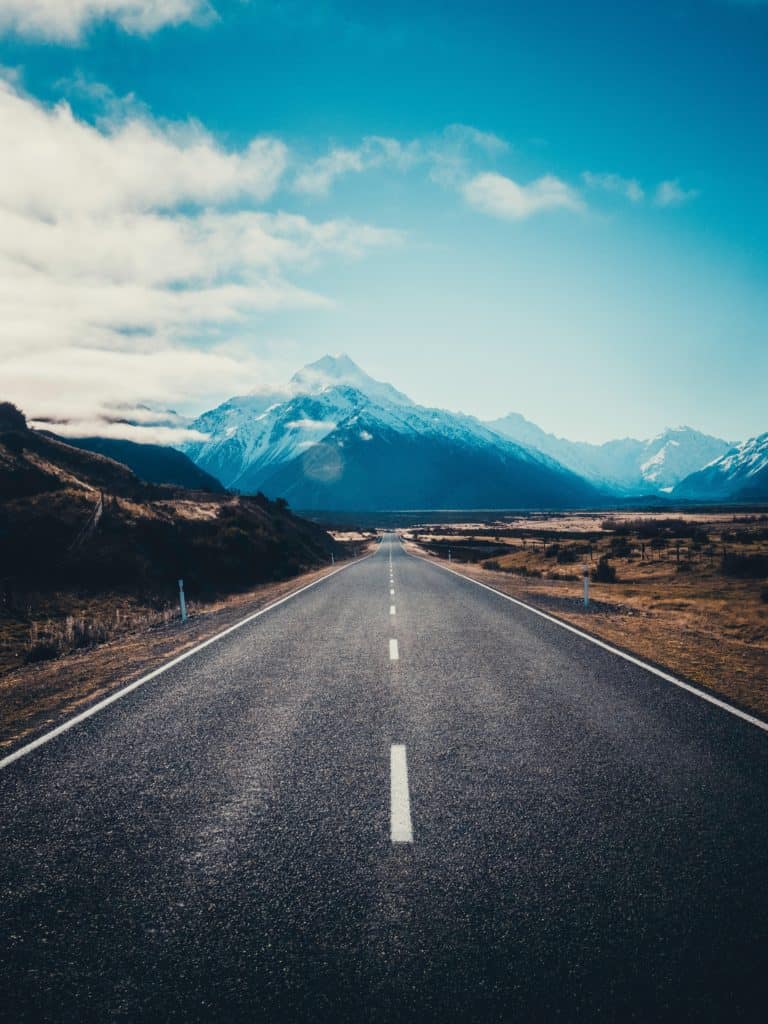
Tips for Driving in New Zealand
Driving is an amazing way to see New Zealand, but you’ll need to know these things before you do it.
29. Best Way to Get Around
Driving is the best way to see New Zealand. You have total control over where you go and how long you stay in places.
I chickened out of driving a campervan solo, and seriously regret it. When I go back, I’ll definitely be driving around the country on my own terms.
I felt very restricted sticking to the top things to do, as chosen by the tour company.
30. Drive on the Left Side of the Road
While New Zealand is in the Southern Hemisphere, they follow the driving rules of the United Kingdom.
Driving on the left side of the road in New Zealand is just weird at first. If you haven’t done it before, I recommend taking some time to practice before you set out to the tougher roads, like those around Milford Sound that wind a lot or in cities.
31. Standard Cars are Manual
You can get automatic and manual cars in the country, although automatic will cost you a bit more.
If, like me, that’s all you know how to drive, please pay the extra money!
32. Speed Limits
Oddly, although Kiwis drive on the British side of the road, they use km/h.
The standard speed in cities is 50 km/h. On highways, it’s 100 km/h. In the country, it averages 80 km/h. (Check road signs for accurate speed limits.)
33. Winding Roads
A New Zealand travel tip I tell everyone is to be careful on the road!
Many drivers from other countries have ended up in serious accidents from not paying attention on the winding roads.
These roads mean that you really have to be alert while driving. If you’re not used to driving on the left or on driving beside the ocean with changing elements, this can be a challenge.
34. Freedom Camping
There are two fields of thought about freedom camping.
The more common one is that it’s legal to pull over and camp on the side of the road anywhere in New Zealand.
This is technically true, but only on public land. If you do this on private land, you can be towed.
The other view is that it’s not legal at all.
That’s not exactly true, but it is a better idea to stick with. I choose to err on the side of caution to ensure you don’t get a fine.
I recommend this New Zealand campervan rental company
35. Add Time to Google Maps
Winding roads mean there’s no direct route to anything in New Zealand.
Before going anywhere, you’ll need to consult Google Maps and add a bit of time to your travel plan.
You might think that 1 hour between point A and point B is a reasonable traveling time. But if you’re traveling on winding roads, it’s probably really 2 hours.
It’s best to operate without a strict deadline, especially as there can be traffic caused by road closures as they do repairs or from tourist-caused accidents.
36. Let People Pass
In New Zealand, there is a law almost no tourists know about: you legally have to let people pass you on the road.
This is true when you have 4 or more cars in line behind you. As most New Zealand roads are one-lane, people need to ability to overtake slow drivers.
But it’s safer for the slow driver to pull over than for them to go into the other lane on winding roads.
37. One-Lane Bridges
Traveling in New Zealand will mean you get very good at handling one-lane bridges.
These bridges can only be crossed by drivers from one direction at a time.
The best way to do this is to stop at the bridge and wait for all of the thru traffic to pass. Then your side can proceed.
It’s best to wait for natural gaps. This can mean waiting a while though.
Pop in a travel podcast or a good playlist to keep you busy.
38. Gas is Expensive
New Zealand is an expensive place to travel.
Gas is no exception.
You’ll find cheaper gas near the major cities. But don’t wait to fill up. You never want to be lower than 1/4 tank full, especially since the roads are so spaced out.
39. Tourists Cause Accidents
Tourists cause the most accidents in New Zealand. Along the road to Milford Sound, there are a number of collisions daily due to inexperienced drivers, exhausted travellers, and cheap cars.
Read up on the New Zealand rules of the road and be careful if you decide to drive here!
👉 Find out how much it costs to protect your trip today with Safety Wing travel insurance.
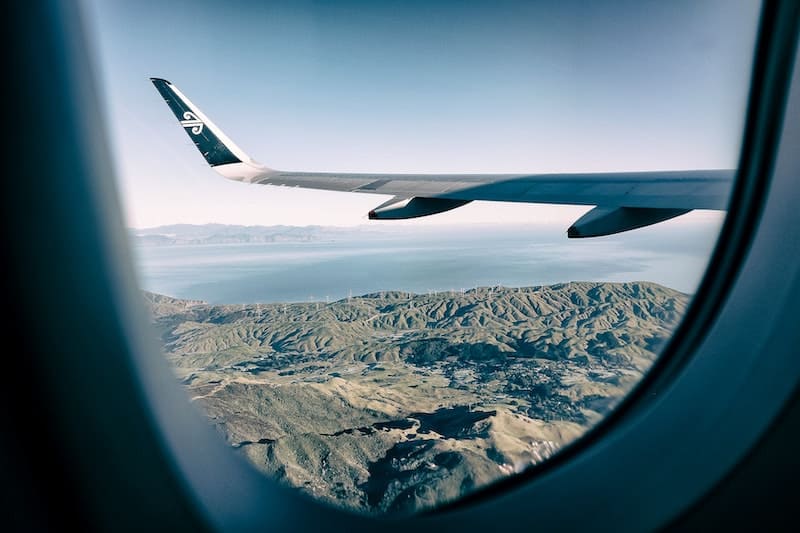
Tips for Flying in New Zealand
Planning to fly around New Zealand? Check out these New Zealand travel tips.
40. Limited Airports
If you’re planning to get around New Zealand only by flying, you’ll be limited as to where you can go.
The main airports are in Auckland, Wellington, Queenstown, and Christchurch.
There are smaller airports in places like Nelson and Dunedin, but with infrequent flights. These often don’t have transfer options, so you’ll need a vehicle when you arrive.
41. Jetstar vs. Air NZ
There are two main airlines in New Zealand: Air New Zealand, which has the most direct flights to small airports, and Jetstar, the cheaper airline.
Jetstar is the cheaper of the two, but Air New Zealand is a nicer airline.
Both fly across the country, so it’s up to you whether your budget can handle the nicer airline.
Moving abroad? Save more in booking your flights and accommodations by using this platform!
Backpacking Tips in New Zealand
If you’re backpacking in New Zealand, these travel tips will help you prepare!

42. Buy Groceries
Every country has its own grocery stores. I think wandering through them is the best way to get to know a place.
It’s also a great way to save money on snacks and meals while travelling.
In New Zealand, there are 5 major brands:
- PAKn’SAVE,
- New World,
- Countdown,
- Four Square, and
- Fresh Choice.
PAKn’SAVE is the cheapest option. It’s the equivalent of a Costco or a Walmart.
Like Costco, you won’t find them in the city centre. They’re on the edge of the city or off the highways.
New World and Countdown are more middle range.
They’d be like the British Tesco/Sainsbury or Canadian Sobeys/Loblaws.
Four Square and Fresh Choice are more expensive.
Fresh Choice isn’t quite as high quality as Waitrose in the UK, but it is clearly aiming for that level.
Cities and towns will have independent stores and markets as well, but knowing the big 5 will help you plan your larger shops.
Pro Tip: Grocery stores in New Zealand have reward points cards. You can sign up at the cash register and get a temporary card that works just like a real one. Use the card to earn points towards discounts and unlock loyalty discounts.
At New World, you can even get a tourist card version of their loyalty card.
43. Hostels are More Expensive
Usually, when you travel, hostels are incredibly cheap.
New Zealand travel tip: hostels aren’t that cheap here.
I stayed in hostels across the country. My cheapest hostel was $24 NZD and it was pretty bare bones. On average, hostels cost me $32 NZD a night.
This was in their cheapest room available.
Moving abroad? Save more in booking your flights and accommodations by using this platform!
44. Pre-Book Hostels
If you’re travelling to New Zealand in the summer, you’ll need to pre-book everything in advance.
But year-round, it’s smart to pre-book hostels in major cities. Queenstown especially is known for filling up quickly, leaving people staying in more expensive hotels.
You can book your hostels in advance on Hostelworld.
45. Live on Meat Pies
This is definitely not nutritionist recommended, but as a backpacker myself, I did this.
Meat pies are amazing in New Zealand and incredibly cheap. They’re actually cheaper than McDonalds in most cases!
For $5 NZD you can get a pie made of shortcrust pastry filled with meat or vegetables. I often got chicken and mushroom or ground beef and cheese. They even have veggie options!
46. Don’t Be Afraid to Venture Off the Beaten Path
Most backpackers use tour groups, which means they all follow the same route through the country.
If you can, go off this path. You’ll uncover lots of cool things most people never see.
I did this after my tour and realized all of the things that we missed, like any opportunities to see penguins, most of the cool wineries, and off-the-radar hikes with better views.
I recommend this New Zealand campervan rental company

Money-Saving Tips for New Zealand
New Zealand is an expensive place to visit. But it doesn’t have to break the bank!
Here are my top New Zealand travel tips to save money.
47. Rent a Campervan
If you want to spend the least amount of money, I always recommend renting a campervan.
It may seem like it costs a lot upfront, but it’s actually a great way to save money.
You can cook for yourself, stay in campsites, freedom camp on public property, visit cheaper locations that aren’t as tourist-y, and you’ll have a bathroom on hand so you don’t need to pay to use one elsewhere.
I recommend this New Zealand campervan rental company
48. Stray Buses
If you can’t drive yourself around New Zealand, use the Stray Buses.
These are coach buses that run throughout the country. They lack the sense of community that you’ll find on a group tour, but they can usually get you to the same places.
You’ll be able to craft your own itinerary, but you will be at the mercy of the bus schedules.
49. Flight Deals
I flew to New Zealand with a deal I found for a $200 CAD flight from Toronto.
Making the most of flight deals will help you get to New Zealand without blowing your whole budget on the plane ride.
I recommend subscribing to airline newsletters, using Dollar Flight Club, and gathering points on credit cards. These will help you find cheap flights you can take.
Also compare flights with Skyscanner to find the cheapest dates to travel and the cheapest flight options.
When you’re ready to visit France, find the cheapest flights with this tool.
50. Visit in the Off-Season
The crowds are lowest in new Zealand travel in the winter.
I visited during their shoulder season which was nice and made everything a bit cheaper.
If you can visit new Zealand in either October/November or March/April, I recommend that time frame.
You will still get all of the same sights and there will be fewer tourists around!
51. Shop at the Warehouse
If you’re looking to buy anything, like a beach towel or Tupperware, head to the Warehouse.
It’s the Kiwi equivalent of Walmart.
You’ll find everything you need at a very low price.
52. Cook for Yourself
It’s tempting to eat out every meal when you travel, but if you’re trying to save money, I recommend cooking your own food. Especially in New Zealand where eating out will quickly sap your bank account.
There are affordable supermarkets throughout the country that stock all of the essentials.
53. Hitchhiking is Legal
Hitchhiking is completely legal in New Zealand.
But just because it’s legal doesn’t mean everyone does it.
Hitchhike at your own risk and know that you may not get a ride if you’re asking for one on the side of the road!
54. Couchsurf
Staying with locals is the cheapest way to travel New Zealand.
If you don’t mind an unconventional place to stay, Couchsurf.
You’ll likely be sleeping on a couch, but you’ll also get to meet locals.
55. Workaway or WOOFing
If you’re New Zealand travel plans include long-term stays, I recommend looking into Workaway or WOOFing.
These websites connect you with farm owners who will give you a place to live and food in exchange for your labor.
They can be great ways to experience new Zealand while saving money.
Click here to read my guide about Workaways in Europe, which operate the same as those in New Zealand.
56. Bookme.co.nz
Use Bookme.co.nz to find cheap tours and activities in New Zealand.
This is a great money-saving New Zealand travel tip.
I’ve found it’s best to use the site to find opportunities in major cities rather than off-the-beaten path excursions. It’s especially useful in Queenstown.
57. Narrow Down Tours and Activities
Tours and attractions are expensive.
When traveling in New Zealand, you’ll need to narrow down the things you want to do.
I actually do this before I arrive at destinations so I know my budget.
In New Zealand, I often stewed over whether or not to do upgrades. For the most part, I didn’t need to.
I was able to see the Franz Joseph Glacier for free on a walk rather than paying $300+ for a heli hike. And I had no interest in bungee jumping, so that saved me even more.
The only time I upgraded was on my skydive, and it was because I didn’t think I’d ever do it again. Turns out, I loved it!
So pre-plan your must-do activities so you ensure you have a budget.
Then you can figure out what else you can afford.
Remember: you don’t have to do everything.
This is my favourite tour of New Zealand!
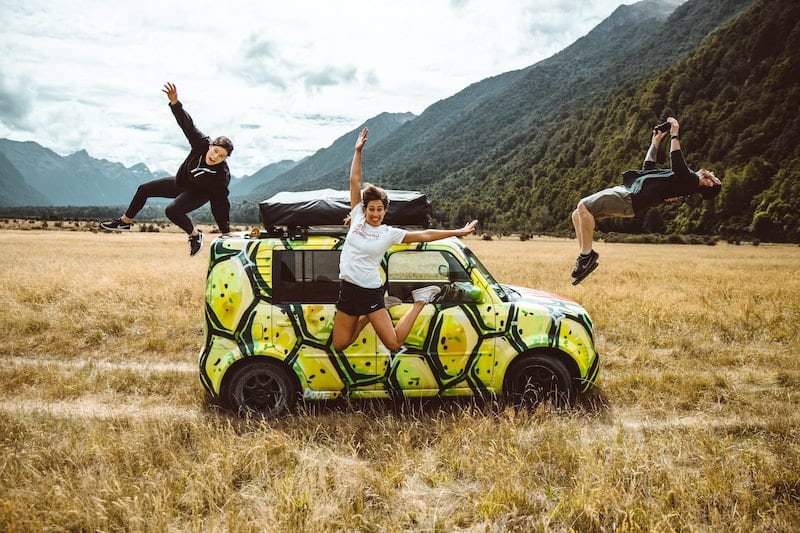
Things You Need to Know Before Going to New Zealand
There are a few things you need to know to bring with you on your New Zealand trip.
Sim Card
You will need to buy a SIM card when you arrive in New Zealand.
It’s easy to do this at the airport.
Be sure to get one with lots of data, as wifi is notoriously horrible in hostels and at campsites.
Vodafone, Spark, and 2degrees are the big companies in New Zealand. They have similar coverage maps (there are some areas of the country that will always be dead zones. New Zealand is too rural to be fully wired) and lots of data options.
I opted for Vodafone, since I’d heard of the brand before and it was the first kiosk I saw at the airport. Their monthly 2.5 GB plan got me through my year in New Zealand with ease.
If you think you’ll need more data, you’re better to go for a higher plan early on, as it’s cheaper. There are few kiosks throughout the country where you can change your plan.
Portable Charger
You’ll be taking photos half the day. Then sitting on a bus or in a car the other half.
It’s worth it to invest in a good portable charger so your devices don’t die.
Don’t miss out on that awesome waterfall shot because you wanted to save a few bucks on a charger.
I always travel with this power bank
Sunscreen
There’s a hole in the ozone layer above New Zealand, which means more intense sunshine.
In fact, while I lived there, there was a day when you would get a sunburn from just 8 minutes outside!
It’s vital to wear sunscreen, even on cloudy days.
And remember to reapply it.
You’ll also want to pack sunglasses, a sun hat, and if you have any, SPF clothing.
I love this SPF shirt
Hiking Boots and Walking Shoes
Hiking boots are best for navigating the countryside, but walking shoes will be fine in cities.
You’ll be walking so much that your feet will revolt if you don’t have proper shoes.
I used sneakers in the cities with arch support insoles, and hiking boots for the actual hikes.
Many people will try to get away with flip flops. Those are the people who break their legs while climbing Ben Nevis.
I recommend these hiking boots
Waterproof Jacket
The weather in New Zealand is unpredictable.
It’s useful to have a waterproof jacket with you.
I bought a 5-in-1 jacket from Kathmandu in New Zealand that allowed me to zip a fleece into my waterproof shell for rainy, cold days. It was a lifesaver!
And it compressed down easily to fit in my backpack.
Unpredictable weather? I recommend this 3-in-1 jacket
Fleece or Layers
A fleece is essential in New Zealand.
For city wear, I recommend a nice fitted hoodie that you can dress up or down.
If it’s winter, layer with a thermal and a hoodie over that. Make sure the layers have pockets!
It may not be Canada-cold, but many areas in New Zealand do get cold and can even get snow in winter.
Unpredictable weather? I recommend this 3-in-1 jacket
Good Camera
New Zealand is full of amazing photo opportunities. You don’t want to miss out by not having a camera ready.
To be honest, I had a camera and my iPhone, and I still nearly maxed out the memory daily!
Carry back up memory cards, have a safe place to store them, and ensure you always have a charged device with a camera for surprising photo ops.
I love this point and shoot camera
What to Eat in New Zealand
Before going to New Zealand, know that the food is expensive.
The good news?
It’s so delicious you won’t even care!
These are the must-try meals in New Zealand that you should spend some extra money to try:
- Tuatua (clams)
- New Zealand green-lipped mussels
- Traditional Maori hangi
- Flat white
- Lamb
- Hokey Pokey ice cream
- L&P soda
- Meat pies (best from a Dairy)
Click here to learn more about New Zealand food to try.
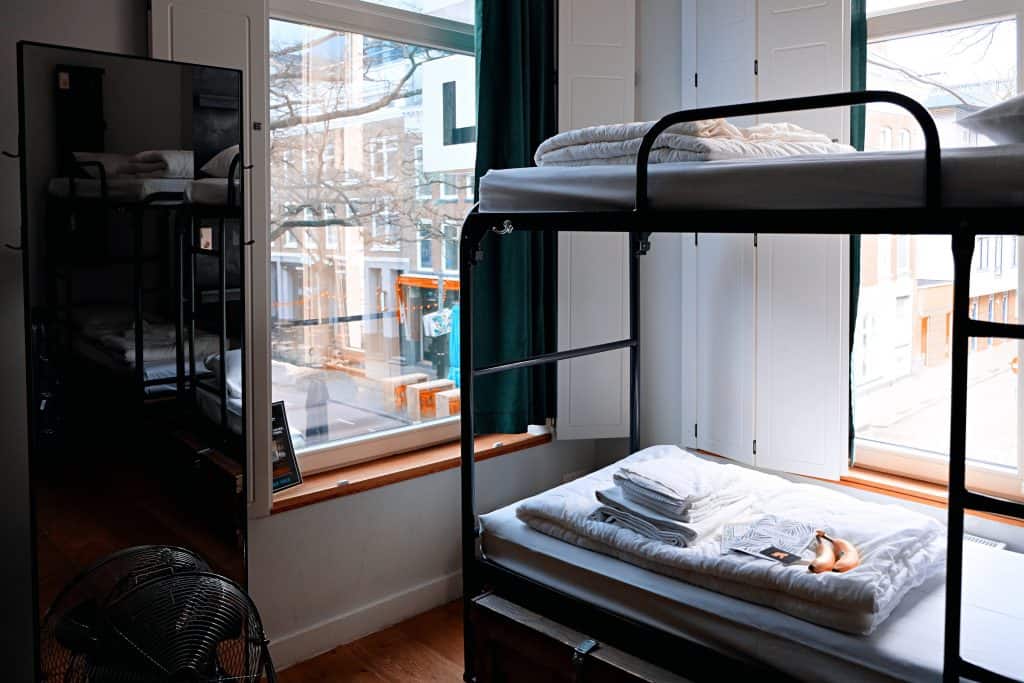
Where to Stay in New Zealand
This New Zealand tip is for the backpackers among us.
The most popular hostels in New Zealand are the big brands:
I preferred YHA hostels. They were the cleanest, nicest to stay at, and often had more unique places to stay.
New Zealand hostels book up quickly. Book ahead to avoid disappointment!
This can be annoying for people who want to go with the flow, but planning a week ahead is better than sleeping in the bush with the stoats and the possums.
Not into hostels? Don’t worry!
New Zealand has tons of other options.
You can camp, Airbnb, Farmstay, Housesit, rent a house, book a BnB, or stay in a hotel. These come from a variety of brands with a number of unique options.
Click here to search hotels in New Zealand
Best Tours of New Zealand
Looking to explore New Zealand with a group? Check out these amazing tours!
- Contiki has a range of epic group bus tours throughout New Zealand
- A self-guided G Adventures 12 day tour
- Take a unique day tour to Milford Sound from Queenstown
- Sip wine on Waiheke with this tour
- Explore Rotorua’s wonders from Auckland on this tour
Wrap Up: New Zealand Travel Tips
Regardless of whether you’re new to traveling, or an experienced backpacker looking for a new adventure, these New Zealand travel tips will help.
From food to clothing and everything in between, this list is full of the most important things to know before your trip.
If any of this sounds overwhelming or confusing, don’t worry! You can figure most of it out once you’re in the country.
But knowing it ahead of time will help you travel smarter.
Use these New Zealand travel tips to have the best experience exploring my favourite country.
Do you have any New Zealand tips to add? Comment them below!
This is my favourite tour of New Zealand!
Related Posts:
- 17 Best Places to Visit & Top Things to Do In North Island New Zealand
- 18 Places to Visit & Top Things to Do In South Island of New Zealand
- 101 New Zealand Fun Facts To Know Before You Go
- What is the Best Time of Year to Visit New Zealand?
- 20 Things to Do in Wellington, New Zealand: Best Attractions & More
Pin this for later!
Living Abroad Travel Planning Guide
🚑 Should I buy expat travel insurance?
100% YES! — With basic coverage averaging just $5-10 USD per day, enjoy peace of mind with a plan from Safety Wing!
🌎 What is the best country to live in as an expat?
It depends – the best country to live in as an expat will depend on your unique needs. I developed this free quiz to help you figure out where is right for you!
📍 How do I pick a country to live abroad?
It depends – picking a country to live in is hard. That’s why I developed this $7 course to share all of the steps I’ve taken when deciding to move to 20+ different countries, and how I handle homesickness when I get there.
Ultimately, making the choice of where to move is going to be hard. But the hardest thing is deciding to move abroad at all!
💼 How do I get a job as an expat?
You can find work abroad via local job boards or temp agencies. My favourite way to work is remotely, so I always look for jobs on FlexJobs.com when I live abroad. They hire for 100% remote roles only.
If you’re looking to teach English abroad, Premier TEFL has the best online course to get you great work!
💰 How do I open a bank account abroad?
Wise.com offers free global accounts, and the cheapest money transfers. Since it can be a headache to open bank accounts in different countries (it took me 2 months in the UK!), Wise.com is a great solution.
I actually use it as my primary bank now worldwide due to the multi-currency debit card. (Read more)
👯♀️ How do you make friends abroad?
Meetup.com – Meet likeminded people who share a similar hobby with Meetup! It’s free to join, but some activities may cost money, like if you go to a cafe and get a coffee.
🙀 I don’t speak the language. Can I still live abroad?
Learn languages in no time with iTalki! Moving abroad is an opportunity to learn the language. You don’t need to know it before you leave home.
💻 Do I need a VPN?
Yes! – VPNs allow you to access more of the internet. From US Netflix in the UK to social media sites banned in Asia. It’s a really helpful and cheap thing to ensure your online activities aren’t restricted.
🧳 What’s the best luggage for living abroad?
This is my favourite luggage set for long term travel. You can read more about my review of types of suitcases for travel here.
🏡 How do I tell my friends and family I want to live abroad?
Take this $7 course and learn the exact script I used to tell my family I was moving abroad … and then when I did it again. I even include tips for prepping your family, and for how to handle family who aren’t supportive.
✈️ What’s the best site to buy cheap flights?
To find cheap flights, I recommend Skyscanner. (Read more)
🏨 What’s the best site to find cheap hotels?
To find cheap hotels, I recommend Booking.com. (Read more)
Or stay for free with Trusted Housesitters!
🚗 What’s the best site to rent cars abroad?
To find cheap rental cars, I recommend Discover Cars.
🚗 What’s the best site to find tours?
To find epic tours, I recommend Viator.