Nina Out and About contains affiliate links and is a member of the Amazon Services LLC Associates Program. If you make a purchase using one of these Amazon links, I may receive compensation at no extra cost to you. See my Disclosure Policy for more information.
New Zealand Travel Guide
This is the most in-depth New Zealand travel guide you’ll find – and the only one you need!
Traveling to New Zealand is a breath of fresh air. The country has mountains, valleys, and fiords as well, as beaches and glaciers. There are loads of activities for every type of traveler: skiing, bungee jumping, horseback riding through forests, hiking up volcanoes, or going on a boat cruise up one of the many rivers that cut through the landscape.
This blog post will provide you with some helpful travel tips for your upcoming journey to New Zealand!
On this page, you’ll find all of the information you need to be inspired to travel to New Zealand, to learn how to plan the ultimate New Zealand adventure, and to learn how to move to New Zealand.
This page is regularly updated and includes helpful posts on everything New Zealand travel-related from Nina Out and About and other useful resources online.
Key Facts:
Language: English and Maori
Capital: Wellington
Population: 5.08 million (2020)
Population Density: 18 per sq km
Area: 260,021 sq km
Currency: New Zealand Dollar (NZD). The NZD is made up of 100 cents. Coins come in 10c, 20c, 50c, $1, and $2. $1 and $2 coins are referred to as “gold coins”. Notes come in $5, $10, $20, $50, and $100.
Tipping: You don’t always need to tip. It’s common to tip taxis or tour guides 10%. Servers will appreciate your tips, but they make a living wage.
International dialling code: +64
Government: Constitutional Monarchy
Head of State: Queen Elizabeth II
Head of Government: Jacinda Arden
Electricity: 230 volts AC, 50Hz. Plugs have two or three flat pins.
About New Zealand
New Zealand is a country located in the Pacific Ocean in the Southern Hemisphere. It’s usually grouped together with Australia, although Australia is actually over 4,000km away.
New Zealand has an area of 260,6021 square kilometers and a population of 5.08 million people. They have 2x as many sheep as people and 3x as many cows!
New Zealand’s capital city is Wellington which lies on the southwest coast of the North Island.
The Maori named New Zealand “Aotearoa”, or the “land of the long white cloud”.
The country was first settled by Polynesian Maori in the 1300s, with European settlement following in 1769 when Englishman James Cook arrived to map New Zealand’s coastline.
In 1840, the Treaty of Waitangi was signed to establish a union between the Maori and the British settlers. But a mistranslation, the many argue was intentional by the British, led to a critical misunderstanding. The Maori believed that they were allowed the British to live on their lands. The British believed that they now owned the lands, and could enslave the Maori peoples. This lead to the Maori wars.
Ultimately, the Pakeha – Europeans – claimed the area when the Maori were weakened by European diseases, war, and poverty.
Today, New Zealand is a very multicultural country. The largest groups of recent immigrants are from China, the UK, and India.
New Zealand has many fantastic accommodations in cities, towns, and even rural farm stays.
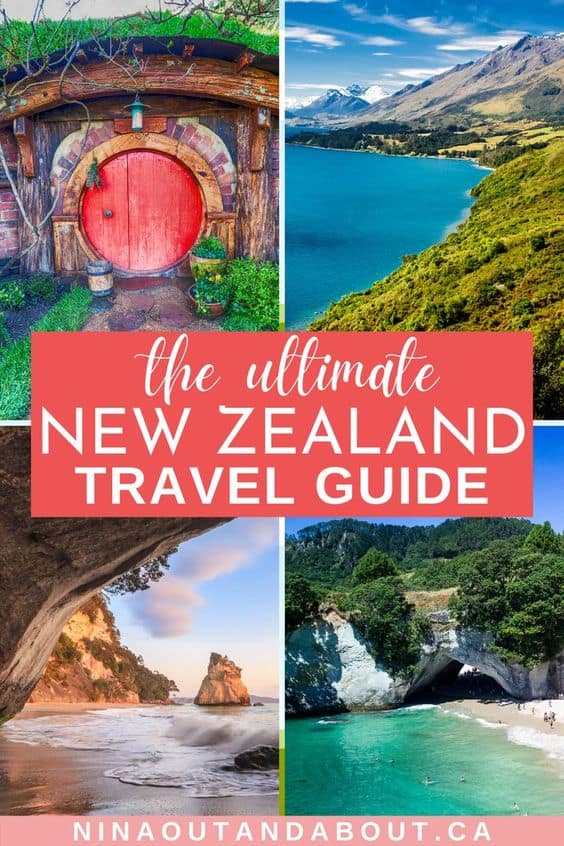
Most tourists visit to see the land of Peter Jackson’s Lord of the Rings trilogy, including the beautiful Hobbiton. However, they’re surprised to find so much more on offer.
New Zealand is easily the most beautiful place in the world. It has the Southern Alps, glacial lakes, volcanic mountains, a range of wildlife, and the most unique vegetation. You’ll never see anywhere quite as stunning.
On this page, you’ll discover information that will help you plan the ideal trip to New Zealand. Continue reading for useful resources to help you organize the perfect holiday in New Zealand.
Things to Know Before Visiting New Zealand
New Zealand Geography
A land of wonder and beauty, New Zealand is bordered by the Pacific Ocean in one direction and Tasman Sea on its other side.
It is made up of two main islands: the North Island and the South Island. The North Island has more developed cities, like Auckland and Wellington, while South Island you’ll find rural farms where nature still reigns supreme with boiling mud pools as well an active volcano or two!
On top of these two major islands, New Zealand is home to a plethora of smaller islands. The most notable is Stewart Island, the southernmost island at the tip of New Zealand’s South Island.
New Zealand’s geography is a wonder of volcanic-made structures. You’ll find rolling hills throughout most cities that make walking one block feel like a summit. In other areas, the volcanic soil has turned lakes an otherworldly shade of blue.
One thing’s for certain, New Zealand is an adventure. From mountain to sea, you’ll never be bored!
New Zealand’s People
Kiwis are the friendliest people.
Yes, I called them kiwis. That’s because the bird is actually a kiwibird and the fruit is a kiwifruit.
Kiwis are some of the most relaxed people on the planet. They are calm, cool, and collected in the face of stress. With the country’s amazing work-life balance, and the beautiful nature that they’re surrounded by, it’s hard to imagine that they could be stressed!
To understand the people, you will need to learn what “sweet as” and “kia ora” mean!
Weather
Every city in New Zealand seems to have its own climate.
Cities in the north, like Auckland, see hot summers and warm winters. Temperatures rarely dip below 5C. I regularly wore t-shirts in summer!
But a few towns south, and you’ll get some freezing rain or snow.
By the time you get to Dunedin in the South Island, you can prepare for snow flurries and proper winter gear.
With glaciers in rainforests, fiords, and alps, it’s hard to generalize about the New Zealand climate.
New Zealand Wildlife
There are no native mammals in New Zealand, except for one species of bat.
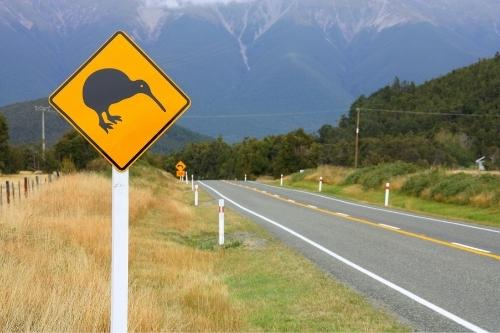
That means the island nation is a haven for birds. Birds like the extinct moa and the endangered kiwibird once thrived on the grounds of New Zealand, until the settlers introduced stouts and possums.
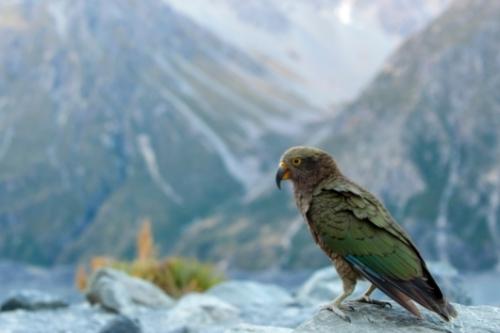
Now, there are protections in place to kill off these predators and help remaining species like the kiwibird and the kea survive.
Although New Zealand is home to lizards, there are no snakes in New Zealand.
Unlike Australia, you won’t find giant spiders and things trying to kill you at all hours. Instead, you’ll be annoyed by sand flies in the summer (whose bite is far itchier than that of a mosquito).
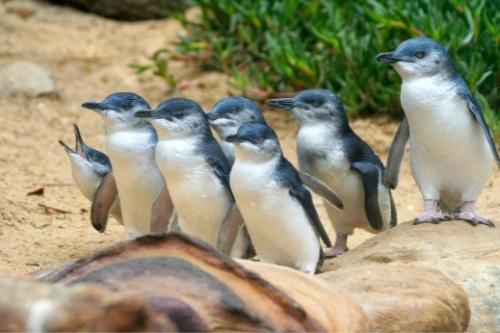
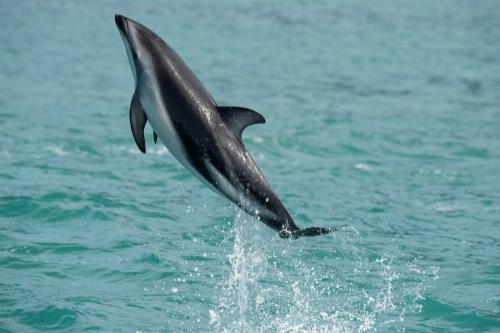
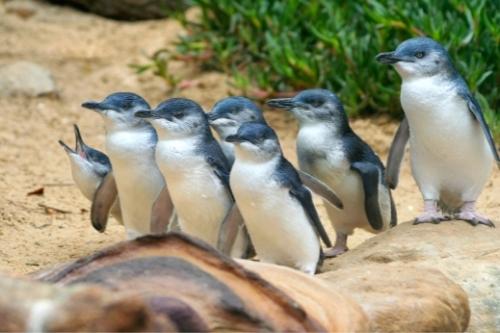
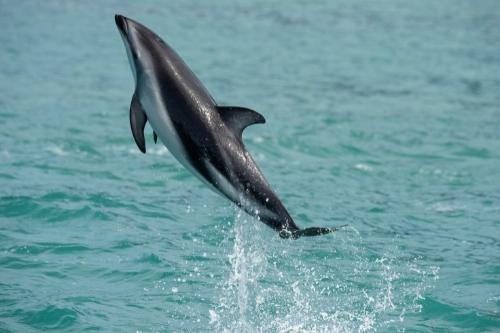
My favourite wildlife in New Zealand comes from the water. You’ll find whales, dolphins, and two of the rarest species of penguins hanging out along the shores. You can even spot some sea lions and fur seals sunning themselves in the summer!
Crime Rates
New Zealand’s crime rates are unusual. Surprisingly, the small country is considered more dangerous than Canada – in every way except murder rates.
When I lived in New Zealand, I never felt unsafe. Even walking home at night or walking to work in the dark in winter felt completely safe.
However, New Zealand’s assault, rape, and petty crime rates are all higher than Canada’s. They’re still far lower than most other countries in the world, including the USA.
In many small towns, citizens feel safe to leave their doors unlocked. However, in bigger cities like Auckland, you’d never do this.
For the most part, you’ll be fine living in New Zealand as long as you use common sense.
Visa Requirements
Citizens of the US, UK, or Canada do not need a visa to enter the UK for less than 180 days. But you will need a ticket proving that you are leaving the country before you can enter.
Visitors from other countries will need to check whether they are on the visa waiver list.
Visitors on the visa waiver list need a New Zealand Electronic Travel Authority visa (NZeTA). It costs $9 NZD to apply on the NZeTA app.
Visitors not on the visa waiver list will need to apply for a visitor visa from the New Zealand government.
If you intend to work, study, or get a working holiday visa, you will need a specific visa. Find more information on the New Zealand government site.
Getting to New Zealand
Flying
Flying to New Zealand is a serious expense. From most countries, you’re looking to spend at least $1,000 USD on a plane ticket.
If you’re flying from Australia, you can expect to pay significantly less. A round-trip ticket usually costs $400.
I recommend upgrading your flight to allow for more room and a more comfortable seat. Flights anywhere beyond Australia will take at least 12 hours, which is not fun if spent in economy.
Boat
The most common way to get to New Zealand is by boat (after flying, of course!).
There are several cruise lines that do tours of Australia and New Zealand combined.
There are ports around the country where cruise ships can dock. Almost all of them stop in Auckland and Wellington.
Getting Around New Zealand
Flying
Flying isn’t the best way to get around New Zealand. There are only a few locations with airports, so you’d miss out on many bucket list places if you are only flying between destinations.
The major airports are in Auckland, Wellington, Christchurch, and Queenstown.
However, flying is very helpful for crossing between the North and South Islands. This can save you from getting seasick on the ferry.
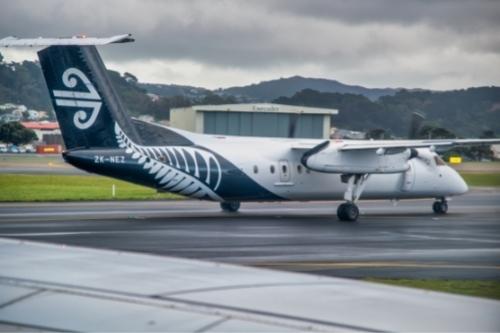
AirNZ and Jetstar are the most popular airlines in the country. Jetstar is the cheaper option.
Driving
The best way to get around New Zealand is by driving. You’ll be able to access all of the hidden gems off the beaten path this way. And you can have more control of your experience than with a bus tour.
There are two ways to drive across New Zealand: in a rental car or in a camper van.
I recommend using Discover Cars to quickly compare rental options for cars.
I highly recommend getting a campervan, as you can save a lot of money with freedom camping (since New Zealand hostels are notoriously expensive). Jucy is a reputable company with excellent campervans for rent.
Remember when driving in New Zealand that they drive on the left side of the road. They use mph, not km per hour!
Bus
Coach buses are an excellent way to see New Zealand if you are travelling alone and don’t feel comfortable driving by yourself, or if you don’t drive.
I used KiwiExperience, a hop-on-hop-off style bus tour with packages that go around the country. While it helped me make a lot of friends, it skipped some gorgeous destinations I wish I could have seen. It also meant staying in prescribed hostels that were quite expensive.
Other buses you can use to get around are the Intercity, Naked Bus, and Stray.
For tours that aren’t hop-on hop-off, I recommend Contiki.
Train
New Zealand’s rail system, Kiwi Rail, is a rarely used mode of transportation. Kiwi Rail, as it’s called, runs to certain locations.
I’ve never used it myself, but my friends tell me it’s not a great method of getting around. The trip from Auckland to Wellington is twice as long as if you drove. And it doesn’t stop at helpful locations.
However, there are some incredible trains in the South Island that are excellent for sightseeing.
Ferries
Since New Zealand is composed of islands, ferries are one of the best ways to get around. Many of my coworkers used to take ferries to work in Auckland!
Fuller Ferries is a noted company that runs ferries around the country. You can use them to go on Auckland day trips to Waiheke, or to see the Bay of Islands from the water. They even operate in Milford Sound!
The ferry is the most common way to get between the North and South Islands, too. The Interislander runs multiple times a day to help visitors get between the islands. The Cook Strait is notoriously choppy, so take your seasickness meds before getting on!
Best Places to Visit in New Zealand
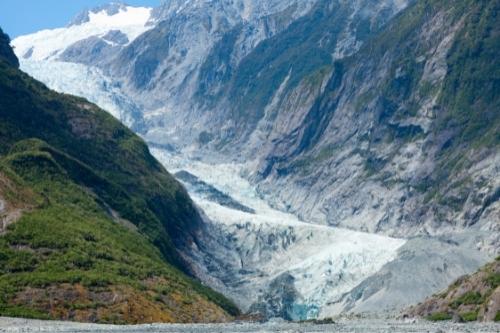
Franz Josef Glacier – Visit New Zealand’s largest glacier at Franz Josef Glacier. There are several different ways to experience this magnificent natural wonder, including helicopter tours and expert-led walks.
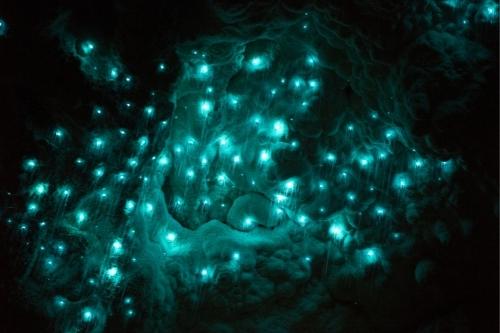
Waitomo Caves – One of New Zealand’s most popular attractions is the Waitomo Caverns. Visitors can experience a thrilling glow-worm tour, or they can take an exciting black water rafting trip on the local rivers!
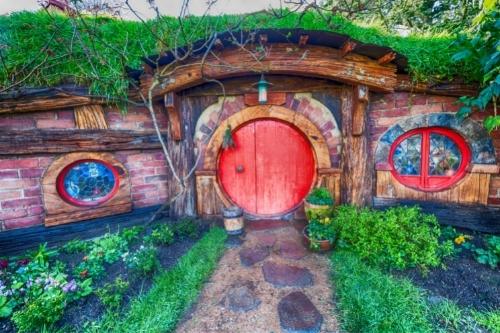
Hobbiton – Far and away New Zealand’s most famous place to visit, Hobbiton (like the Shire) is a must-see location. Most tour companies offer guided tours of the movie set from The Lord of The Rings and other related places nearby. This is one attraction you’ll never forget!
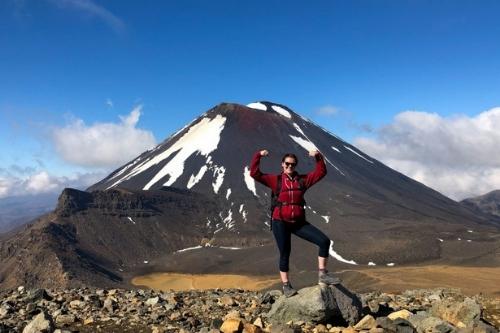
Tongariro Alpine Crossing – The Tongariro Alpine Crossing is one of New Zealand’s most popular hiking trails. It runs across the volcanic mountains of the Central North Island, so expect some serious elevations! Be sure to book a shuttle.
Aoraki Mount Cook – Aoraki Mount Cook (also known as Mt. Cook) is New Zealand’s tallest mountain at 12,316 ft (3,754 m). It is technically a volcano that last erupted around 200 BC. It’s an amazing spot for advanced hikes.
Bay of Islands – The Bay of Islands is home to New Zealand’s famous “Hole in the Rock,” a famous landmark where visitors can see beautiful views. Another popular activity at the bay is sailing around on catamarans!
Abel Tasman Coastline – The Abel Tasman Coastline stretches for about 60 miles (100 km) and makes up much of the Golden Bay. It’s the longest stretch of easily accessible coastline in the country, and it features several beautiful beaches.
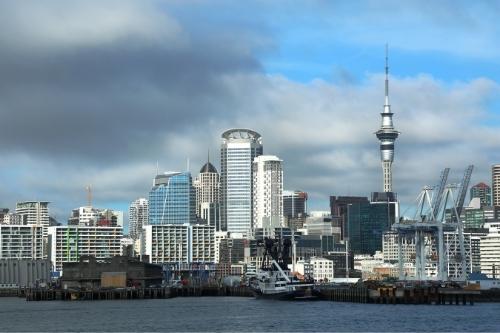
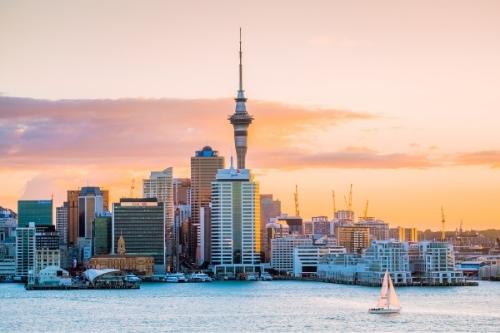
Auckland – One of New Zealand’s largest cities, Auckland is home to many cultural centers, including the famed Auckland Art Museum. Visitors are also encouraged to explore downtown or take a ferry to Rangitoto Island.
Milford Sound – Make your way to Milford Sound in New Zealand’s South Island for some spectacular scenery and wildlife watching. Cruise the fiord to see the “8th wonder of the world”.
Rotorua – Another of New Zealand’s major cities, Rotorua is home to some geothermal activity. Visitors can go hiking along sulfur pools or even swim in natural hot springs!
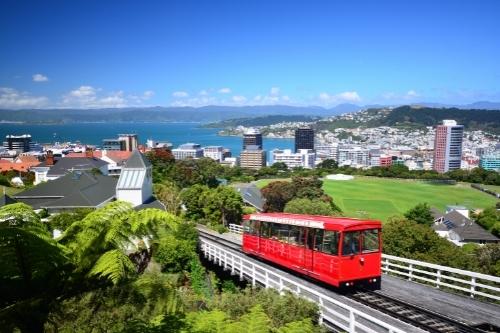
Wellington – A gorgeous city with lots of nature, Wellington has several attractions for tourists. The Te Papa Museum offers hands-on activities, and Mount Victoria provides beautiful views of the harbour.
Taupo – New Zealand’s largest lake, Lake Taupo is a popular attraction. Visitors can go swimming in the lake at several famous beaches or take to the water on a scenic boat trip!
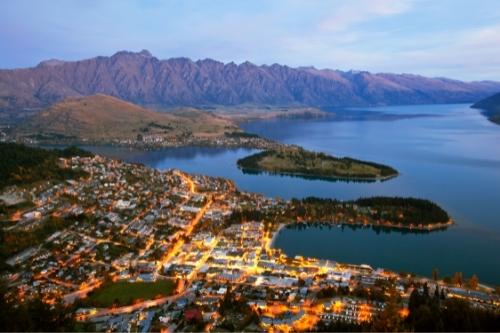
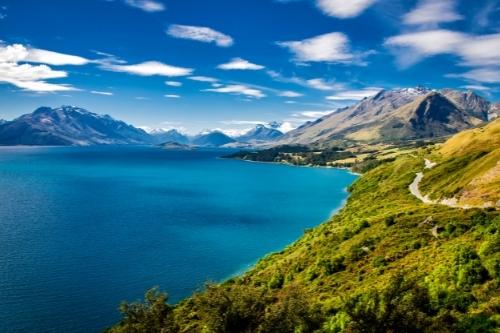
Queenstown – Easily one of my favorite places in New Zealand, Queenstown is home to some of the most wonderful views and activities available. Hike up to The Remarkables for a gorgeous view of the area or visit nearby Glenorchy for wine tasting and great views.
Coromandel – The Coromandel is a popular region for camping and hiking. There are multiple waterfalls to see, as well as many easy hikes along the peninsula.
Wanaka – Another popular spot for hiking, Wanaka is also known as “New Zealand’s playground”. Visitors can enjoy the lake or take scenic chairlift rides up mountains!
Top Attractions in New Zealand
Swimming with Wild Dolphins – One of the most popular activities in New Zealand is swimming with wild dolphins. These friendly mammals love to play and aren’t afraid to interact with humans!
Whale Watching – See the majestic whales of New Zealand on a whale-watching trip. These impressive creatures can reach over 100 ft in length and weigh up to 80 tons! Spot blue whales, orcas, and humpbacks around the islands.
Skydiving – Once you’ve visited New Zealand, you’ll want to go sky diving! It’s an activity that many tourists enjoy (from all over the world) because of the beautiful views.
Bungee Jumping – Bungees are another major attraction for tourists. This is an activity that everyone should try once on their visit to New Zealand!
Horseback Riding – Horseback riding on one of New Zealand’s gorgeous beaches is a unique experience that many visitors enjoy during their stay here. Riders can also take trails throughout the stunning landscape if they prefer.
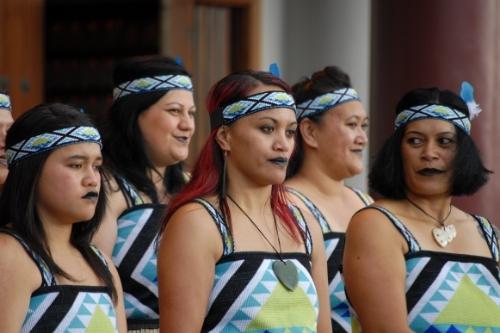
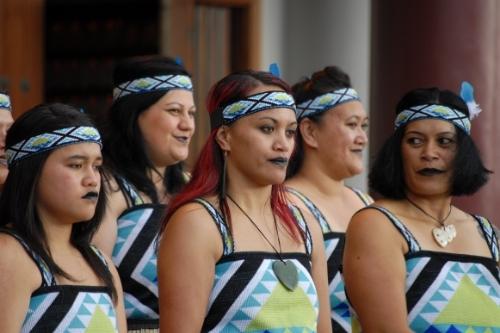
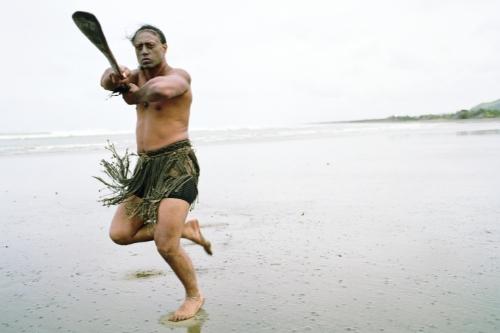
Maori Cultural Centre – Visit the Tamaki Maori Village to learn more about the indigenous peoples’ culture. You’ll eat a hangi, see a haka, and learn more about the roots of New Zealand culture.
Search for Kiwibirds – Head to Stewart Island to search for these nocturnal birds. If you’re very quiet, you just might spot them!
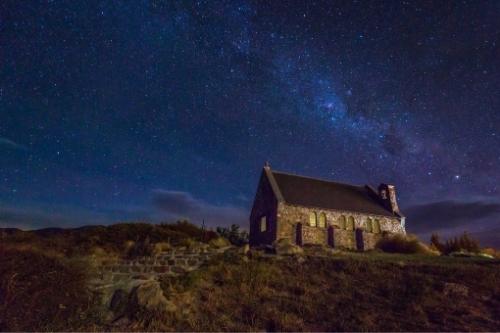
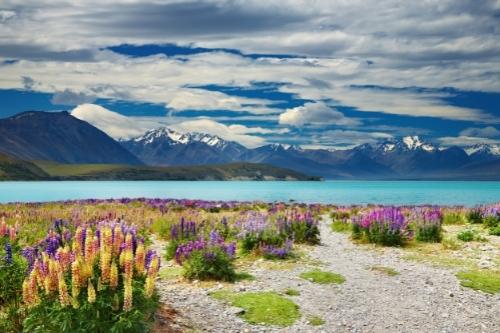
Great Walks – A number of beautiful hikes are available in New Zealand. 9 have been rated as “Great Walks.” Go on a multi-day trek along the Abel Tasman Coastline or enjoy a day walk around Lake Tekapo to see some awe-inspiring views!
Scenic Rail Journey – Take the TransAlpine train through the Southern Alps to Christchurch. See the world’s largest suspension bridge, Arthurs Pass, on your way to the city.
Wine Tasting – There are lots of opportunities throughout the country to try some New Zealand wines. Marlborough and Waiheke are two of the most popular places.
90 Mile Beach – Another unique attraction in Northland is the 90 Mile Beach. This gorgeous sand strip goes on for miles and is a great place to go sandboarding!
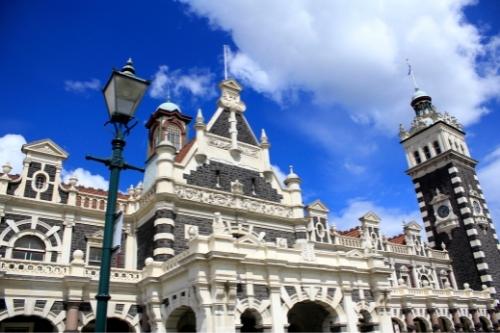
Oamaru – Visit this historic town for some old-fashioned New Zealand charm. You’ll see Victorian buildings, small shops, and the famous Steampunk Treehouse!
Wellington Cable Car – Hop on one of New Zealand’s famous cable cars to go up the hill in Wellington. You’ll see some beautiful views from here.
Weta Cave Workshop – This is a must for Lord of the Rings fans! See how Weta Workshop makes all of their famous props and figures from the movies.
Surfing – New Zealand has some amazing waves that are great for surfing, especially on the North Island’s east coast. Kiama offers impressive breaks, while Raglan also has beautiful waves.
Spot Blue Penguins – Head down to Dunedin to spot the tiniest penguins in the world in their natural habitat!
Glacier Heli-Hikes – Explore New Zealand’s glaciers on a heli-hike. One of the most visited is Fox Glacier, while Franz Joseph and Tasman Glacier are also popular.
Tips for Exploring New Zealand
- Hostels are more expensive than in other countries. The cheapest hostel I found during my year in New Zealand was $28 NZD per night.
- Places will advertise “free WIFI”. It never works. Get a SIM card with a lot of data instead!
- New Zealand closes down for Christmas. From the middle of December to the middle of January, don’t expect to find jobs available. This is also the busiest time for travellers.
- Stop by a supermarket and pick up lunch or dinner. It’s really easy to get good food for an affordable price. New World and Pack’N Save are the two biggest chains.
- New Zealand is expensive – definitely more so than other countries in the region. Bus tickets, flights, and hostel rooms will cost you a lot of money!
- You can burn in under 5 minutes in the summer due to the hole in the ozone above New Zealand. Wear sunblock – and lots of it!
- You will mispronounce most Maori words. That’s ok. They appreciate the effort, so please do your best!
- You cannot bring any food into New Zealand. Be very careful.
- You will need to clean your hiking boots off after every hike to prevent Kauri dieback disease. Take this seriously to protect the forests.
- There isn’t always cell service when you’re travelling around New Zealand. This is totally normal, as much of the land is farm area.
Sustainable Travel Tips for New Zealand
- Take tours that contribute to the community. Do they fund conservation efforts for the marine animals they are showing you? Do they hire locals, including Maori?
- Do not litter in New Zealand. Keep a bag for your trash and throw it out properly.
- New Zealand does recycle. You can find recycling stations at most I-Sites in cities and towns.
- Walk or cycle wherever you can. If you can’t, use public transport when possible.
- Check for fire bans before lighting a fire. In dry seasons, this could cause a massive wildfire if it’s too dry.
- Use water sparingly, especially in hot summers in small towns.
- Shop local whenever you can, including not eating at fast food chains.
Best Time to Visit New Zealand
There’s no bad time to visit New Zealand! The summer is nice and warm, but can get crowded with visitors. Winter is unpredictable and cold – you should always pack layers. Autumn and Spring are perfect because you’ll avoid the crowds and it won’t be too hot or cold.
I think spring is the best time to visit New Zealand. From the months of October to mid-December, the city has fewer tourists, so it’s easier to enjoy tourist-y locations.
When I lived there, I also found that spring had the most consistent weather (although the weather is never 100% predictable in New Zealand).
If you visit outside of the peak tourists season from December to February, you’ll likely get better deals on accommodations and food. Prices hike during this time to meet demand.
New Zealand Travel Budget
New Zealand is an expensive place to visit. Not only can you expect to pay a lot for hostels, but you’ll also be spending large chunks of cash on the incredible activities. Since many of them are once-in-a-lifetime experiences, you won’t want to miss them!
Here are some average prices to help you budget for your travels in New Zealand:
| Accommodation | Food | Daily Transport |
|---|---|---|
| Campsite - $25 | Meat Pie - $6 | Ferry - $40+ |
| Hostel - $35 | Fast Food - $20 | Coach Bus - $40 |
| Private AirBnB - $90 | Basic Restaurant - $30 | Uber/Taxi - $20+ |
| Hotel - $130+ | Luxury Restaurant - $60+ | Domestic Flights - $90+ |
Here are some sample prices for activities you won’t want to miss in New Zealand:
- Hobbiton – $90
- Skydiving – $300+
- Bungee Jump – $150+
- Heli-Hike – $400
- Swimming with Wild Dolphins – $400
- Whale Watch – $300
On average, budget travellers spend about $130 per day in New Zealand.
Money-Saving Tips for New Zealand Travel:
- Shop at grocery stores and cook instead of eating out.
- Offer to work at hostels in exchange for your room.
- Camp or stay in a campervan rather than paying for accommodation each night.
- Use Workaway or WWOOF to stay for free.
- Avoid peak season
- Wine is cheaper than beer
- When you can, drink tap water or glacier water
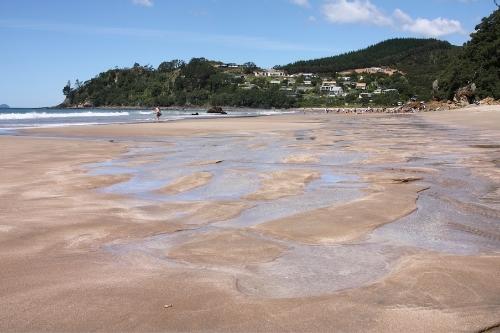
- Do free activities, like visiting hot water beach
- Plan your splurges
Where to Stay in New Zealand
Hostel dorm rooms make the perfect budget accommodation for backpackers on their New Zealand trip. Hostels range from $25-45 across the country.
I recommend Backpackers and YHA hostels for clean and comfortable accommodations.
If you’d rather not share your space with others, you can find a self-contained apartment through Airbnb of Vrbo.
Find the best self-contained homes now!
Splurge on a luxury hotel to pamper yourself. Sofitel is my favourite chain in New Zealand.
Click here to search for the best hotels to stay at in New Zealand!
Want to stay on the road? You can stay in campsites in your campervan.
In New Zealand, freedom camping is legal, so in many locations you can sleep on the side of any road in your vehicle.
New Zealand Packing Tips
- Bring proper hiking boots. Your sneakers won’t cut it!
- Layering is key to surviving the varied temperatures and precipitation in New Zealand. I recommend a 3-in-1 jacket so you can be prepared for any weather.
- Summers are very warm, but you need to protect your skin. Either wear SPF clothing or slather on the sunscreen to keep yourself from getting too burnt.
- If you’re planning to stay in hostels, shower shoes are a must! Many
- Universal adapter with USB plugs
- Carry antihistamine creams with you to help with sand fly bites. They itch like crazy!
- It’s much easier to get around New Zealand with a backpack than with a suitcase. If you have a suitcase, consider a softshell one that can be carried like a duffel. Not everywhere has an elevator that can easily bring up your suitcase.
- Microfibre towels are king in New Zealand! They fold up easily so you can take them with you to any beach.
New Zealand Travel Insurance
I recommend Safety Wing. They provide travel insurance for backpackers, families, and gap-year travellers.
Click here to choose the best New Zealand travel insurance now!
If you want full coverage during your New Zealand travels, you’ll need several different types of insurances. These include health insurance, protection for your goods, and protection from flight cancellations. Safety Wing has all of that in their base plan!
When you upgrade plans, you can also protect yourself from adventure sports like skydiving and bungee jumping. So you can get your adrenaline fix with peace of mind.
👉 Find out how much it costs to protect your trip today with Safety Wing travel insurance.
Best Tours of New Zealand
With these fantastic excursions, you’ll get the most out of your trip to Canada! You’ll discover the ideal tour to persuade you to book a flight to Canada right away:
- Take a scenic flight over the 8th wonder of the world from Queenstown
- Take a helicopter tour of Mount Cook and the Franz Josef Glacier
- The most scenic rail journey in New Zealand
- The best food and wine tour from Queenstown
- Test your bravery with this 12,000 ft skydive
- Search for wild kiwibirds with an expert on Stewart Island
- Experience the magic of Hobbiton with transfers from Rotorua
- Watch for whales on the Kaikoura coast
Get more epic New Zealand tours here!
New Zealand Travel Tips


Living in New Zealand Guide

North Island Travel Guide



South Island Travel Guide
New Zealand Wildlife Guide
Maori Guides
FAQs About New Zealand Travel
How much does it cost to travel to New Zealand?
New Zealand is an expensive destination.
Backpackers should expect to spend at least $100 a day, while luxury travellers can find their way around New Zealand for around $170.
You can cut down on your travel budget by doing activities like hanging out on the beach. If you camp and cook for yourself, you can save even more!
What are the best months to go to New Zealand?
Visit in November and December to get the best weather with the least tourists. You’ll enjoy the beauty of summer without the crazy high prices.
Can I drink the tap water in New Zealand?
Yes, in most areas in New Zealand you can drink the tap water.
In smaller towns, you may need to check before drinking it.
In fact, most streams and rivers are safe to drink from. Always check first, but if it comes directly from a glacier, you’re good to go!
What is the rainy season in New Zealand?
June is the wettest month in New Zealand. In the North Island, winter (including June, July, and August) is the rainy season.
How many days are enough in New Zealand?
You can see a lot in New Zealand in two weeks.
If you want to do a whirlwind tour, make sure to add a day or two for travel time. That way you’ll be able to relax when you arrive at your destination!
I recommend staying at least 4 weeks to do both islands properly, though.
Is NZ expensive to visit?
It is.
But you can get around New Zealand without spending a fortune if you plan ahead.
Camping and cooking for yourself will save you a lot of money, as will couchsurfing with locals instead of staying in hostels or hotels.
What is the best way to travel around New Zealand?
The cheapest way to travel around New Zealand is on a bus if you camp at the stops.
Campervans can be similarly cheap if you are sharing them with others to split the cost of gas and food.
Where should I go on my first trip to New Zealand?
The North Island has lots of great New Zealand travel experiences.
Personally, I prefer it to the south and think it has more to offer for first-time visitors. Everything is closer together too, so it’s easy to see all of the hot spots, like Rotorua and Taupo.
What should I avoid in New Zealand?
Try to avoid New Zealand around Christmas and Easter unless you’re okay with not doing much because everything will be closed!
Don’t overplan. The weather can change and throw off your whole schedule. You need to be flexible to alter plans at any moment to embrace a rainy day.
Is New Zealand safe to travel?
Yes, New Zealand is a very safe country to travel in.
In fact, crime rates are low all over the country.
I wouldn’t recommend going off the grid though – use your common sense and you won’t run into any trouble!
How long can a tourist stay in New Zealand?
US, UK, and Canadian residents can stay up to 180 days. Other tourists will be bound by the length of their visa.
Where is New Zealand?
New Zealand is in Oceania and is made up of two main islands: the North Island and South Island, as well as many smaller ones such as Stewart Island and the Chatham Islands.
It is in the Pacific Ocean, East of Australia.
Are credit cards accepted in New Zealand?
Credit cards are widely accepted in New Zealand.
ATMs are available in most cities and towns around the country, so you should have no problems getting cash or paying for things with your credit card!
Pin this for later!