
Nina Out and About contains affiliate links and is a member of the Amazon Services LLC Associates Program. If you make a purchase using one of these Amazon links, I may receive compensation at no extra cost to you. See my Disclosure Policy for more information.
How to Move Your Dog to New Zealand (2024 Guide)
Wanting to move or bring your dog to New Zealand with you? Let’s go over how you can make it happen!
Moving your furry best friend to a new country can be daunting; however, it can be done with the right preparation and research. New Zealand is an ideal destination for those looking to escape the hustle and bustle of city life, with its stunning landscapes and unique culture.
I lived there for a year – and can’t wait to move back in a few years!
If you’re considering moving to New Zealand with your dog in 2023, this guide is here to help.
This guide will cover the steps you’ll need to take to move your dog to New Zealand in 2023.
I’ll review the necessary paperwork, vaccinations, and quarantine process your pet must complete before entering the country. I’ll also discuss how to find a reliable pet shipping company, what to expect upon arrival, and how to ensure your pet’s health and safety during the move.
By the end of this guide, you’ll be well-equipped to move to New Zealand with your canine companion in 2023. Here are steps on how to Move Your Dog to New Zealand:
Note: the “import certificate” is sometimes also referred to as an “export certificate” by the New Zealand government. They seem to use the term interchangeably, but it’s the same document.
✈️ Considering moving to New Zealand? Find cheap flights from anywhere in the world here!

Important Things to Know Before You Start
Restricted Countries
Before we can talk about importing your dog to New Zealand, we first need to talk about specific circumstances.
New Zealand has 3 classes of countries:
- Category 1: Australia (including Norfolk Island)
- Category 2: Rabies-free
- Category 3: Rabies-absent or well controlled
Find out which category you’re in here.
For example the United States, the United Kingdom, and Canada are all Category 3 countries. This means an import permit is required, a post arrival quantine for at least 10 days is necessary, and you will have to have a home inspection after you settle in New Zealand.
Countries not in categories 1-3 are not allowed the have their pets imported to New Zealand.
If you’re from an approved country, there are still more import requirements that your dog will need to meet to be allowed into New Zealand.
Restricted Breeds
New Zealand does not allow dogs that are the following breeds or predominantly a mix of the following breeds:
- Brazilian Fila
- Dogo Argentino
- Japanese Tosa
- Perro de Presa Canario
- American Pit Bull Terrier
Mixed dog breeds are not allowed. They must show a certain number of generations of domestic ancestry to be allowed to be imported into the country.
Oddly a similar thing goes for cats, except for bengal cats.
Service Dogs
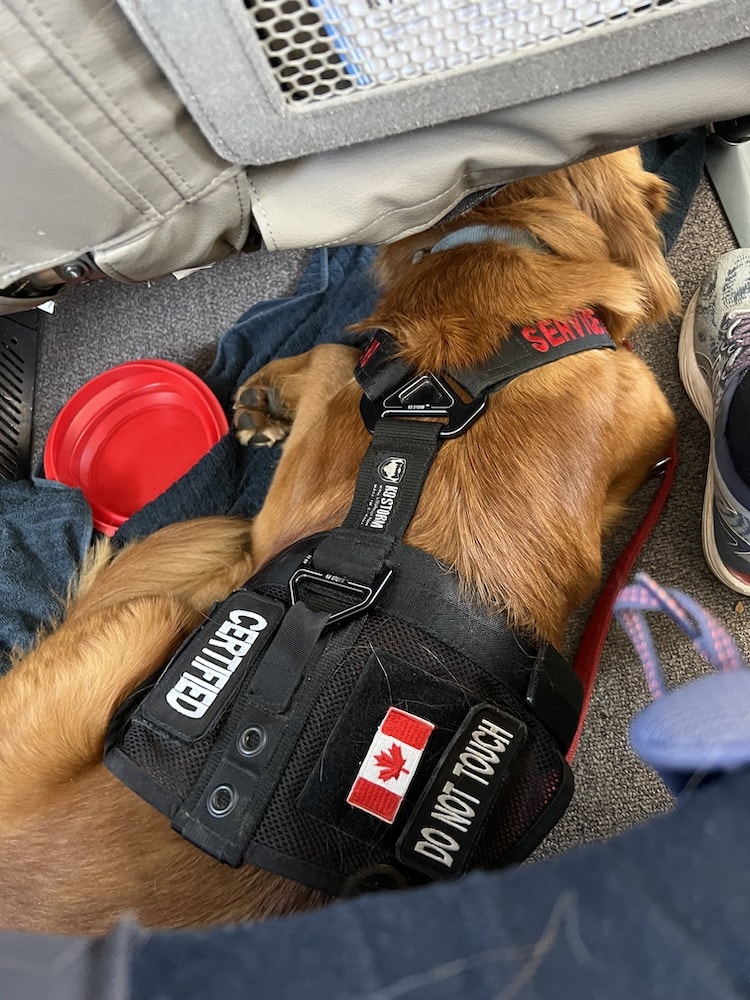
Service dogs (also called assistance dogs) from all countries except Australia must notify the MPI (Ministry for Primary Industries) at least 72 hours before the arrival in the country.
Find relevant contact information on the MPI website.
You need to include the following information:
- Flight number/ship number (if arriving via boat)
- Scheduled arrival time (to arrange an inspector to meet you)
- Completed documentation that is flight and country specific
You must enter via Auckland or Christchurch with service dogs. Auckland is the easiest entry point, typically, as it’s the biggest hub airport in New Zealand.
Service dogs can do a home quarantine rather than the 10 day quarantine required for pet dogs.
Step 1: Choose a Pet Transport Service
The first step in moving dogs to New Zealand is to choose a pet transport service.
A reputable pet transport company will be familiar with the regulations and quarantine requirements for importing a pet and the most up-to-date international health certificate requirements for the specific destination.
When choosing a pet transport service, selecting one with experience transporting pets to New Zealand is essential.
You’ll also want to ensure that the service offers door-to-door transportation, making the process much easier for you and your pet.
Additionally, try to find out the current pet shipping rates, as this will give you an idea of the cost associated with your pup’s travels.
It’s important to note that the service you choose should be familiar with the quarantine regulations and requirements for New Zealand.
This is especially important if you’re planning to transport a service dog, as service dogs are subject to different rules and regulations than regular pets.
The government of New Zealand even recommends getting a professional pet exporter to make the import process more smooth. They can help connect you with official veterinarians and ensure you meet all import health standards.
Once you’ve chosen a pet transport service that meets your needs, it’s time to start preparing for the move.
Step 2: Prepare Your Dog for the Move
Once you’ve chosen a pet transport service, it’s time to prepare your pup for the move.
This includes ensuring your pup has all the necessary vaccinations and health certificates to travel.
Starting this process at least eight weeks before you move your pup is crucial, as international travel health certificates are typically only valid for a certain period. But they can also take time to process.
You’ll also want to ensure your pup has all the necessary paperwork for the journey.
This includes a passport, a veterinary certificate of good health, and other documentation required for your pup’s specific breed.
Additionally, your pup will need to have a microchip implanted before travel, so be sure to check with your pet transport service for more information on this. You will need to submit the microchip number when you apply for your import forms and for the quarantine station.
Finally, ensuring your pup is comfortable with travel and that they’re accustomed to being in a pet carrier is essential.
Give your pup practice runs in the carrier before their big move. This will help your pup become comfortable with their new environment so they’ll feel less stressed during the journey.
I practice with my dog by playing “hide and seek”, with his crate as home base. Or when I cook he sits in the crate with the door open until I release him. Make it a fun place for them!
Step 3: Obtain the Necessary Health Certificates
Before your pup can travel to New Zealand, it must obtain a valid health certificate.
This document must be issued by an accredited veterinarian and dated within ten days of your pup’s departure.
It is important to note that the health certificate must include documentation of all vaccinations, including rabies, and a statement that the animal is free from any contagious or infectious diseases. It must be done by certain accredited vets – you can’t just get it done by your normal vet.
Dogs require these vaccinations for New Zealand:
- Canine distemper
- Infectious canine hepatitis
- Canine parvovirus
- Canine parainfluenza
- Bordatella bronchiseptica for kennel cough
- Canine influenza (if available)
- Leptospirosis (depends on quarantine facilities)
- Rabies vaccination at least 6 month prior to arrival in New Zealand and no longer than 12 months. Note blood tests will be done to check for the rabies vaccine and any potential rabies the dog may have.
Your pet transport service should be able to provide you with more information on the health certificate requirements for New Zealand.
Additionally, you may need to obtain additional documentation, such as an import permit, so check with your pet transport service to ensure you have everything you need before your pup’s travels.
If your dog shows any sign of external parasites like fleas or ticks, they will need an external parasite treatment – whether before or after their arrival in New Zealand.
They may also need to do internal parasite treatments for things like heartworm if their laboratory reports come back positive for them. Internal parasites are not acceptable for live animals entering New Zealand.
Step 4: Quarantine Requirements
One of the essential steps in moving your pup is to understanding the pet quarantine New Zealand requirements.
New Zealand is committed to protecting its biosecurity, which means all pet travelers must complete a quarantine period upon arrival. This quarantine period is typically a minimum of 10 days, during which your pup will stay in a government-approved facility.
Before your pup can enter New Zealand, your pet transport service must provide the country’s quarantine services with proof that your dog is free from any contagious or infectious diseases.
This includes a valid health certificate and evidence of all vaccinations.
Additionally, you may be required to provide the quarantine services with proof that your pup has been treated for parasites, such as fleas and ticks.
Once your pup has been cleared to enter the country, it will be placed in a government-approved facility for the duration of the quarantine period.
During this time, your pup will be monitored and have access to exercise and veterinary care. After the quarantine period, your dog will be released from the facility and allowed to enter New Zealand.
New Zealand is really finicky about the importation of animals and foods because their unique habitat. Invasive species can decimate the country’s natural ecosystem before the government even has time to catch it.
So this may seem like overkill, but it’s to maintain the country’s safety and ecology.
Check here to find an MPI-approved quarantine facility in New Zealand.
Step 5: Cost of Moving a Dog to New Zealand
The cost of moving your pup to New Zealand will depend on several factors, such as the size and breed of your pup, the pet transport service you choose, and the quarantine requirements.
On average, you can expect to pay anywhere from $2,000 to $4,000 USD for the entire process. (It’s not a dissimilar cost to moving your dog to any country abroad.)
The cost of the pet transport service will vary depending on the size of your pup and the distance they are traveling.
Additionally, you may need to pay for extra services such as crate rental, food, and water during the journey.
When it comes to quarantine, the cost will depend on the length of the quarantine period and any medical treatments your pup may require.
Finally, it’s essential to factor in other costs, such as travel insurance, vaccinations, and pet passports. These costs can add up quickly, so it’s important to factor them into your budget before moving your pup to New Zealand.
I recommend budgeting at least $7,000 USD for the move of your pet to New Zealand. This is likely double what you’ll spend, but it’s better to overshoot than under budget!
Step 6: Book Flights and Accommodation
Once you’ve taken care of the quarantine requirements, it’s time to book flights and accommodation for your pup’s journey.
You’ll need to book flights from your home country to New Zealand’s hub airport and then from New Zealand to your final destination. For example, most flights arrive in Auckland before connecting elsewhere.
Regarding accommodation, you’ll need to choose a pet-friendly hotel or rental that allows you to bring your pup along once they’re out of quarantine.
It’s important to note that the pet transport service you choose may be able to help you book these flights and accommodation.
Additionally, you may be able to find discounts and special deals on pet-friendly accommodation, so it’s worth doing your research before your pup’s big move.
✈️ I found a $200 flight to New Zealand from Toronto using this flight service in 2018 when I moved there.
Step 7: Arrange for pick-up and delivery
Once you’ve booked your flights and accommodation, it’s time to arrange for the pick-up and delivery of your pup.
This will depend on your pet transport service, as some may offer door-to-door transportation while others will only transport your pup to the airport.
Regarding pick-up and delivery, ensuring that your pet transport service has the necessary paperwork and documentation for your pup’s travels is essential.
This includes health certificates, passports, and other documentation required for your pup’s specific breed.
It’s also essential to make sure your pup is comfortable during the pick-up and delivery process.

Step 8: Make sure your pup has a comfortable Journey
Once your pup is picked up and ready to go, it’s time to make sure they have a comfortable journey.
This includes providing your pup with a safe and secure pet carrier and plenty of food and water.
You’ll also want to ensure your pup is comfortable with their new environment and not feeling too stressed during the journey.
If you can bring your pup’s favorite toys, bedding, and treats, it can help make the journey more comfortable. Additionally, you’ll want to ensure your pup is familiar with their pet carrier and comfortable spending time in it.
Moving to New Zealand with pets can be stressful, so ensuring your dog is as comfortable as possible during the journey is essential.
Ask your vet about CBD or hemp treats to help calm your dog, or even anxiety medication. My golden retriever takes anxiety meds to fly.
Step 9: Check in with customs
Once your pup has arrived in New Zealand, it’s essential to check in with customs.
This will involve presenting the necessary documentation to the customs officers, such as your pup’s health certificates and passports.
Additionally, you may be asked to provide proof of ownership, such as a photo of you with your pup, adoption papers, or other documentation.
It’s essential to make sure you have all the necessary paperwork before arriving at customs so that the process is as smooth and stress-free as possible.
Step 10: Follow post-arrival requirements
Once your pup has arrived in New Zealand, there are a few post-arrival requirements that you need to follow.
This includes ensuring your pup is enrolled in the Pet Travel Scheme, which is required for all animals entering New Zealand.
Additionally, you may need to arrange an at home post-arrival inspection and a visit to a vet to complete the quarantine period.
Finally, you may need to register your pup with New Zealand authorities, which will require proof of ownership, vaccinations, and other paperwork.

Step 11: Enjoy New Zealand with your dog
Once all the paperwork and requirements have been taken care of, it’s time to enjoy your pup’s new home!
New Zealand has a wealth of pet-friendly activities, so take your pup on exciting adventures.
Whether you’re exploring the stunning landscapes of the South Island or enjoying the vibrant city life of Auckland, your pup is sure to have a wonderful time in New Zealand.
So, take the time to enjoy your pup’s new home and create some lasting memories together!
Many places are dog friendly – it’s much more like the UK that way. Even most beaches are full of off leash dogs frolicking in the surf.
There’s a reason people go through this very strenuous and expensive process and it’s because it’s worth it to have your whole family together.
FAQs About Moving Dogs to New Zealand
What paperwork do I need to move my dog to New Zealand?
You will need to obtain a valid health certificate from an accredited veterinarian and the necessary documentation for your pup’s specific breed. Additionally, you may need to get an import permit, so check with your pet transport service for more information on this.
How long is the quarantine period for dogs in New Zealand?
The length of the quarantine period will depend on your pup’s breed, health condition, and the country they are coming from. Quarantine is typically required for a minimum of 10 days but can be longer depending on the specific circumstances.
What is the cost of moving a dog to New Zealand?
The cost of moving your pup to New Zealand will depend on several factors, such as the size and breed of your pup, the pet transport service you choose, and the quarantine requirements. On average, you can expect to pay anywhere from $2,000 to $4,000 for the entire process.
What should I do to ensure my pup is comfortable during their move?
It’s essential to ensure your pup has enough food, water, and a comfortable pet carrier or kennel. Additionally, you should ensure your pup has access to a bathroom break during the journey. Most pet transport services will provide this service, so be sure to inquire about this before your pup’s travels.
Conclusion: Bringing Your Dog to New Zealand
Moving your pup to New Zealand can be daunting, but with the proper preparation and research, it can be a rewarding and stress-free experience.
This guide has outlined the steps you’ll need to take to move your dog to New Zealand in 2023.
I’ve reviewed the necessary paperwork, vaccinations, and quarantine process your pet must complete before entering the country.
I’ve also discussed how to find a reliable pet shipping company, what to expect upon arrival, and how to ensure your pet’s health and safety during the move.
Following the steps outlined in this guide, you’ll be well-equipped to move to New Zealand with your canine companion in 2023.
From choosing a pet transport service to understanding the quarantine requirements and booking flights and accommodation, these steps will ensure your pup’s move to New Zealand is as smooth and stress-free as possible.
Finally, once you and your pup have arrived in New Zealand, remember to take the time to enjoy your pup’s new home. New Zealand has a wealth of pet-friendly activities, so explore the stunning landscapes, vibrant cities, and unique culture with your furry best friend.
I adore New Zealand – it’s probably my favorite place in the world. And getting to share it with my best friend means so much. It’s definitely not something I’d do for a quick holiday, but it’s totally worth it if you’re moving abroad!
More on Living in New Zealand
- Cost of Living in Auckland, New Zealand
- 13 Best Places to Live in New Zealand (and Where Not To!)
- What Does it Cost to Live in New Zealand?
- 25 Pros and Cons of Living in New Zealand
- Living in Auckland vs. Wellington: Which Country Should You Move to?
- 19 Pros and Cons of Living in Auckland NZ
- What is the Best Time of Year to Visit New Zealand?
- 57 New Zealand Travel Tips (Local’s Guide)
- 19 Pros And Cons Of Living In Wellington New Zealand
- 135 New Zealand Slang: From Sweet As to Swear Words
Living Abroad Travel Planning Guide
🚑 Should I buy expat travel insurance?
100% YES! — With basic coverage averaging just $5-10 USD per day, enjoy peace of mind with a plan from Safety Wing!
🌎 What is the best country to live in as an expat?
It depends – the best country to live in as an expat will depend on your unique needs. I developed this free quiz to help you figure out where is right for you!
📍 How do I pick a country to live abroad?
It depends – picking a country to live in is hard. That’s why I developed this $7 course to share all of the steps I’ve taken when deciding to move to 20+ different countries, and how I handle homesickness when I get there.
Ultimately, making the choice of where to move is going to be hard. But the hardest thing is deciding to move abroad at all!
💼 How do I get a job as an expat?
You can find work abroad via local job boards or temp agencies. My favourite way to work is remotely, so I always look for jobs on FlexJobs.com when I live abroad. They hire for 100% remote roles only.
If you’re looking to teach English abroad, Premier TEFL has the best online course to get you great work!
💰 How do I open a bank account abroad?
Wise.com offers free global accounts, and the cheapest money transfers. Since it can be a headache to open bank accounts in different countries (it took me 2 months in the UK!), Wise.com is a great solution.
I actually use it as my primary bank now worldwide due to the multi-currency debit card. (Read more)
👯♀️ How do you make friends abroad?
Meetup.com – Meet likeminded people who share a similar hobby with Meetup! It’s free to join, but some activities may cost money, like if you go to a cafe and get a coffee.
🙀 I don’t speak the language. Can I still live abroad?
Learn languages in no time with iTalki! Moving abroad is an opportunity to learn the language. You don’t need to know it before you leave home.
💻 Do I need a VPN?
Yes! – VPNs allow you to access more of the internet. From US Netflix in the UK to social media sites banned in Asia. It’s a really helpful and cheap thing to ensure your online activities aren’t restricted.
🧳 What’s the best luggage for living abroad?
This is my favourite luggage set for long term travel. You can read more about my review of types of suitcases for travel here.
🏡 How do I tell my friends and family I want to live abroad?
Take this $7 course and learn the exact script I used to tell my family I was moving abroad … and then when I did it again. I even include tips for prepping your family, and for how to handle family who aren’t supportive.
✈️ What’s the best site to buy cheap flights?
To find cheap flights, I recommend Skyscanner. (Read more)
🏨 What’s the best site to find cheap hotels?
To find cheap hotels, I recommend Booking.com. (Read more)
Or stay for free with Trusted Housesitters!
🚗 What’s the best site to rent cars abroad?
To find cheap rental cars, I recommend Discover Cars.
🚗 What’s the best site to find tours?
To find epic tours, I recommend Viator.