Nina Out and About contains affiliate links and is a member of the Amazon Services LLC Associates Program. If you make a purchase using one of these Amazon links, I may receive compensation at no extra cost to you. See my Disclosure Policy for more information.
13 Best Places to Live in New Zealand (and Where Not To!)
There are many factors to consider when choosing the best place to live in New Zealand.
Some people might prefer a big city with all the excitement and culture that comes with it. Others might prefer a smaller town where they can get to know their neighbors and feel more connected to their community. Then there are those who want to live in the countryside, surrounded by nature.
Whatever you prefer, there is sure to be a place in New Zealand that is perfect for you.
I lived in New Zealand for a year, living in Auckland. I’ve recruited some travel blogger friends to help share other amazing places to live in New Zealand, so you can find the right spot for you.
If you are looking for the best places to live in New Zealand, here are 13 of the top contenders:
13 Best Places to Live in New Zealand – At a Glance
| Location | Best For |
|---|---|
| Auckland | Best for career |
| Wellington | Best for government workers |
| Christchurch | Best for retirees |
| Wanaka | Best for outdoor adventurers |
| Dunedin | Best for student |
| Mount Maunganui | Best for beaches |
| Napier | Best for wine lovers |
| Queenstown | Best for partying |
| Hamilton | Best for relaxed lifestyle |
| Devonport | Best for small-town life |
| Waiheke Island | Best for cycling |
| Rotorua | Best for families |
| Hawkes Bay | Best for foodies |

1. Auckland
Auckland is the largest city in New Zealand with a population of over 1.4 million people. It is also the most multicultural city in the country, with over 200 different ethnicities represented.
The city is situated on a narrow isthmus, which means there are many beautiful beaches within close proximity. There are also plenty of things to do in Auckland, from exploring the many museums and art galleries, to hiking in the nearby Waitakere Ranges.
There are also popular tourist spots like the Skytower, Mount Eden, surfing in Paihia, and drinking wine in Waiheke, nearby.
Auckland is the best place to live in New Zealand for business positions. Here you’ll find most of the major companies of New Zealand, and global companies, operating in the Central Business District (CBD).
You’ll also find government roles, tourism jobs, and other professional positions.
Auckland is a great place to live if you are looking for an exciting and fast-paced city life. It is also one of the most expensive places to live in New Zealand.
Cost of living is high in Auckland. You’ll get a great quality of life, but expect to spend $1,800 NZD on an apartment near the city centre, and an additional $1,500 on general expenses.
When I lived in Auckland, I had three roommates, and my rent was still just under $1,000 NZD because I was in the CBD.
One pro of living in Auckland is that you can save money on your commute by taking the public transportation system.
Even though Auckland is a busy city, the locals are still incredibly friendly.
It’s also a very popular student city, so you’ll find welcoming students around – and often out partying at the city’s nightclubs.
Auckland has amazing weather. In winter, it never snows!
It only drops down to about 4C on the coldest days. However, you will experience torrential rain and very dark skies for a few weeks.
Summer is boiling hot, which drives most people to Mission Beach to try and cool off.
Located: North Island
Best For: Business people and students
Climate: Warm, coastal climate
Size of City: Big
Type of Work: Business and tourism
Average Monthly Cost: $2,500 NZD

2. Wellington
Wellington is the perfect location for expats looking for the career opportunities that come with a capital city alongside the laidback Kiwi lifestyle.
The windy city doesn’t have the best weather, but it makes up for it with spectacular scenery. The city is built on hills surrounding the Wellington Harbour, against the backdrop of the towering Remutaka Ranges.
You’ll rarely be lacking entertainment in Wellington as there are plenty of things to do and great options for weekend trips in the Wellington Region.
A large proportion of Wellingtonians work for the public service as most government ministries are based in Wellington, but the city also offers lots of hospitality jobs in the many cafes and bars and creative jobs in the ‘Wellywood’ film industry.
The population of 400,000 supports career opportunities in most industries.
Property in Wellington can be very expensive, both to rent and to own, in part due to the high cost of insurance.
Apartments are generally preferable to houses, and it is worth paying a bit extra for a newer place because many Wellington houses, particularly older ones have little/no insulation which is unpleasant in the cold winters.
The median rent for a one-bedroom apartment is approximately $1,800/month. Basic groceries cost $500 pp/month.
Wellington is built on a geographic faultline, so residents get used to occasional earthquakes. These are rarely severe but it’s best to be prepared with a basic emergency kit in the house.
Submitted by Kate of Kate Abroad
Located: North Island
Best For: Adventurers, coffee lovers, and foodies
Climate: Temperate marine climate
Size of City: Big
Type of Work: Government
Average Monthly Cost: $2,900
3. Christchurch
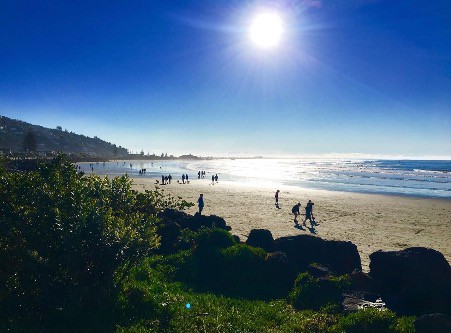
Christchurch is a fantastic place to live, it gives you the energy and excitement of living in a city whilst being the perfect location to explore the rest of the South Island.
Make the most of this great location by being able to have weekends skiing in the winter or beach days in the summer.
New Zealand is not known for its low living costs, as all products must be imported by sea or air. The cost of living in Christchurch is approximately 10% of Auckland, although rent tends to be higher than other costs balance this out.
After the large earthquake in 2011, Christchurch is still rebuilding in new and creative ways. Because of this, there are lots of original and exciting restaurants bars, and activities to balance a hard day’s work.
As a result of the significant reconstruction efforts ongoing, there are a large number of work opportunities in the construction sector.
As well as this, there is a strong manufacturing and engineering industry in Christchurch.
Air New Zealand has an engineering centre at Christchurch airport that employs many people.
The climate of Christchurch is very temperate and can be compared to the south of the U.K, although with significantly less rainfall. Christchurch has less rainfall than the rest of New Zealand’s other major cities.
Christchurch is a great place to live for older individuals looking to live in a city without Auckland business.
Submitted by Ellie of El on the Move
Located: South Island
Best For: Big
Climate: Temperate maritime climate
Size of City: Big
Type of Work: Engineering and manufacturing
Average Monthly Cost: $2,000

4. Wanaka
Nestled in a valley between the Southern Alps, Wanaka on the South Island of New Zealand offers picturesque views and lots of outdoor activities! The small town sits on beautiful Lake Wanaka and is close to some major hiking spots and the gorgeous Mt. Aspiring National Park.
During the hot summers, you can cool off in the refreshing water of the lake and go hiking in the wilderness, whereas snowboarding and skiing are some of the best things to do in Wanaka during its cold winter season.
Given the variety of activities, Wanaka is also a popular place to live in New Zealand. However, you should keep in mind that rent prices are comparatively high, and affordable apartments can be tricky to find. A single room can easily cost $300 NZD a week or more.
Note: New Zealand typically charges rent by week rather than by month.
Calculating expenses for food, household items, clothes, and activities on top of this, you can expect the cost of living for a single person in Wanaka to go up to $1,500 to $2,000 NZD a month.
Don’t get thrown off by the cost of living, though: although the town is quite small, you can also find exciting job opportunities contributing to a healthy work-life balance!
Especially, jobs in the hospitality and tourism industry are easy to find, since Wanaka is a popular tourist destination in New Zealand!
Once you get a taste of the Wanaka lifestyle, you’ll never want to leave – it’s just too beautiful!
Submitted by Lena of Not Another Backpacker
Located: South Island
Best For: Outdoor adventurers
Climate: Oceanic climate
Size of City: Medium
Type of Work: Hospitality
Average Monthly Cost: $2,000

5. Dunedin
Dunedin is known for its vibrant, friendly community and its status as a “student city” thanks to a bustling university campus.
It’s also one of the most affordable cities in New Zealand.
Dunedin is a great fit for those looking for work-life balance and has a very high quality of life (as rated by local residents).
With little commuting time needed and a temperate climate, residents make the most by getting out to enjoy the beaches (the surf is epic!), playing sports for the many clubs and organisations, meeting for coffee in the Scottish-inspired town centre, and exploring city parks and cycle trails.
As the main centre in the region, it has many major facilities, such as a covered stadium that attracts the likes of Elton John and Ed Sheeran.
The city is also home to some other famous residents – royal albatross birds, endangered yellow-eyed penguins, little blue penguins, sea lions, seals, and many native other birds also reside here.
In addition to a great lifestyle, there are many work opportunities here. The University of Otago and Dunedin Hospital are two of the biggest employers; however, the agriculture, general business, tourism, and food production sectors are also very strong in the city.
The basic cost of living in Dunedin is roughly NZ$2,000 per month for a couple. This is made up of very reasonable housing costs (NZ$500), utilities (NZ$150), internet & mobile (NZ$160), transport (NZ$200), groceries (NZ$600), and eating out / entertainment (NZ$400).
Individuals (or couples) can save costs by house-sharing, which is very popular with the student population.
Dunedin is also the gateway to iconic New Zealand destinations – the ski fields and wineries of Central Otago, the mountains of Aoraki Mt Cook and the rugged Catlins coast are all no more than a few hours drive away.
By Laura from Laura the Explorer
Located: South Island
Best For: Students
Climate: Temperate maritime
Size of City: Medium
Type of Work: Educators and hospital workers
Average Monthly Cost: $2,000

6. Mount Maunganui
Mount Maunganui is a laid-back suburb of Tauranga, one of New Zealand’s larger cities (albeit still small), situated on the eastern coast of the North Island.
Its handy location makes it a great spot for expats looking for a place within a few hours’ drive of Auckland, but away from the hustle and with more central access to the rest of the North Island.
That said, Maunganui Beach and the stunning coastline is the real reason to choose to live in Mount Maunganui. Continuing for miles, this beach is one of New Zealand’s best.
The best Mount Maunganui accommodation is found near Mauao and the main street. This little township is packed with awesome bars, eateries, shops, and markets that will keep any local busy.
However, finding a place to stay here will typically be a bit more pricey so staying further from the town would be a cheaper alternative.
Cost of living in Mount Maunganui is fairly similar to other urban areas of New Zealand.
A luxurious lifestyle with your own place near the beach can easily cost upwards of $6,000-8,000 per month with over half of that going towards rent.
Conversely, cheaper options are available with stunning rooms available for under $300 per week. Flatters could manage to keep costs under $2,000 per month whilst still achieving all the lifestyle perks of living in Mount Maunganui.
Submitted by Delilah of Our Travel Mix
Located: North Island
Best For: Beach living
Climate: Warm temperate
Size of City: Small
Type of Work: Labourers
Average Monthly Cost: $2,000
7. Napier
Napier is often referred to as the art deco capital of the world, and it’s easy to see why.
The city was rebuilt in the 1930s following a devastating earthquake, and many of the buildings from this period have been carefully preserved.
As well as being a popular tourist destination, Napier is also a great place to live.
The climate here is mild and sunny, making it perfect for outdoor activities.
There are plenty of parks and gardens to explore, as well as cycle trails and walkways. The city also has a thriving food and wine scene, with many boutique wineries and restaurants to enjoy.
Napier is located on the east coast of the North Island, just over an hour’s drive from the capital, Wellington.
The city is small enough to get around on foot, but there is also a good public transport system. The locals are friendly and welcoming, and there is a strong sense of community here.
Napier is a great place to live if you are looking for a relaxed lifestyle with plenty of things to do. It is also an affordable city, with a cost of living that is lower than many other parts of New Zealand.
Located: North Island
Best For: Relaxed lifestyle
Climate: Oceanic climate
Size of City: Small
Type of Work: Manufacturing
Average Monthly Cost: $1,850

8. Queenstown
Queenstown on the South Island is undoubtedly one of the most beautiful and popular towns in New Zealand.
As a result, it attracts a large number of overseas backpackers on a Working Holiday Visa who come to town for a year or two to work and socialise.
It’s also one of the most expensive towns in the country to live in, due to the high rent – demand is greater than supply so landlords here can charge a higher weekly rate.
A two-bedroom apartment in a good location will set you back anywhere from $450 – $600 per week. Therefore, it is advisable to earn at least $500 per week to have a good standard of living in Queenstown.
In terms of employment, because Queenstown is a major tourist destination, most of the jobs here are in the tourism sector (think hotel and restaurant type jobs) and the pay is typically not much higher than minimum wage.
Despite this, living in Queenstown is a truly wonderful experience with an abundance of awesome hikes, adrenaline sports like bungee jumping, skiing, and mountain biking on offer it’s no wonder this mountain town attracts so many expats. But don’t worry, there’s also plenty to do in Queenstown on a budget.
The weather helps too with average temperatures in summer of 22 Celsius and snow in the winter. Although it’s worth noting that snow rarely falls in the town itself.
Before moving to Queenstown consider joining the local Facebook groups like Queenstown Houses to Rent, here you can find apartments for rent, as well as events in the area to meet new people.
Submitted by Aimee of Snap Happy Travel
Located: South Island
Best For: Partiers and thrill-seekers
Climate: Warm and temperate
Size of City: Medium
Type of Work: Tourism and service industry
Average Monthly Cost: $3,000

9. Hamilton
Hamilton, in New Zealand’s North Island is an excellent place for expats to live. The city of 165,000 has all the benefits of a larger city without the crazy traffic, making it a comfortable place to live.
Hamilton is also close to many popular destinations such as the Coromandel and Mount Maunganui for beautiful beaches, Rotorua, New Zealand’s cultural capital, and Taupo, a popular lakeside holiday spot.
Being close to tourist attractions such as Waitomo Caves, Hobbiton, and the Hamilton Gardens will also give expats plenty to experience from their home base.
Hamiltons weather can be humid during the summer months, giving long warm nights and is much warmer during the winter. Temperatures in winter average around 14C/58F and summer months average 24C/75F.
Consider what side of the city you prefer to live on carefully. While traffic isn’t insane like Auckland traffic, it does build up in the city when crossing the bridges. Try to live on the same side of the Waikato river that you work to avoid this inner city headache
Cycling is a big focus in the region with many cycle trails such as the Waikato River trail that runs 105km.
Cost of living for a family in Hamilton is $4,000 per month, roughly based on the cost of the average family home ($500-700 per week) or an executive home ($700-800 per week), groceries ($250-350), and eating out once in a while (meals costing $25-35 per meal).
For an individual, your costs would be about half of this.
Submitted by Jennifer of Backyard Travel Family
Located: North Island
Best For: People who stop to smell the flowers
Climate: Mild and temperate
Size of City: Small
Type of Work: Agriculture and science
Average Monthly Cost: $2,200
10. Devonport
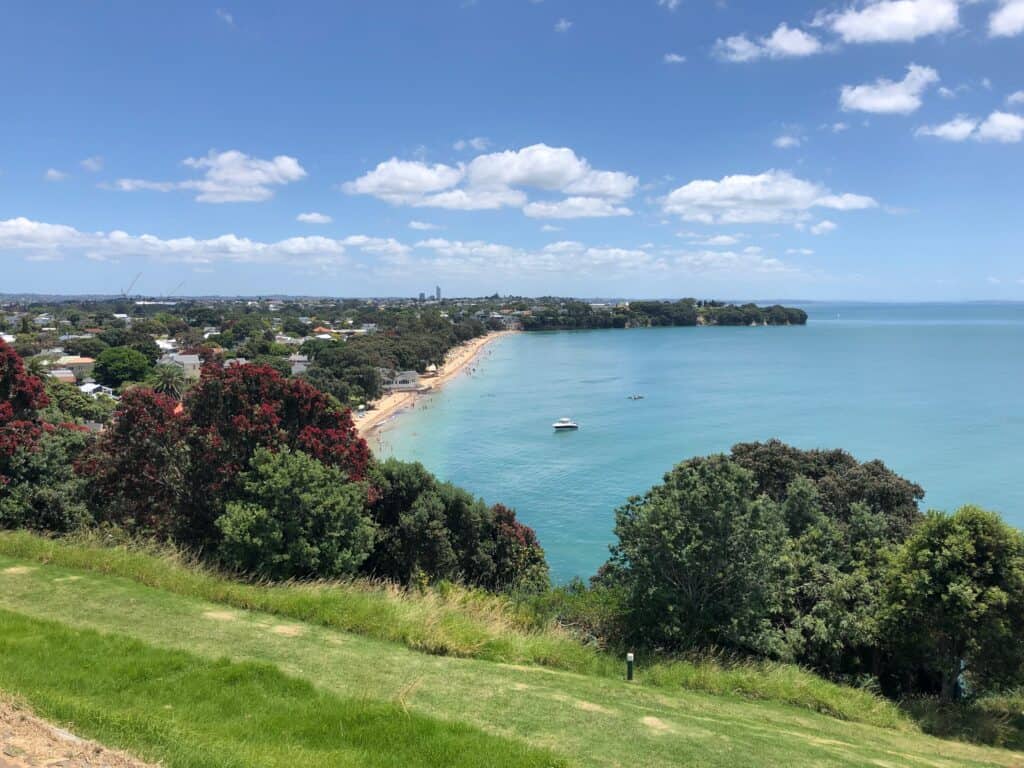
Devonport is a beautiful, historic seaside town located on Auckland’s North Shore. It’s just a quick ferry ride away from the city centre, making it the perfect place to live for those who want to escape the hustle and bustle of the city but still be close enough for a day trip.
The town has a population of just over 5,000 people, making it one of the smaller places on this list.
But don’t let that fool you – there’s still plenty to do in Devonport. There are many cafes and restaurants, as well as museums and art galleries.
Devonport is also a great place for outdoor activities like swimming, hiking, and biking.
The cost of living in Devonport is similar to the cost of living in Auckland. You can expect to spend around $1,500 NZD on rent and $1,200 NZD on general expenses.
One thing to keep in mind is that public transportation isn’t as readily available in Devonport as it is in other parts of Auckland, so you may need to factor in the cost of a car when budgeting.
Overall, Devonport is a great place to live if you want to be close to Auckland but still have a more laid-back lifestyle.
Located: North Island
Best For: Relaxed, beachgoers
Climate: Warm, coastal
Size of City: Small
Type of Work: Commuters to Auckland
Average Monthly Cost: $2,600

11. Waiheke Island
Waiheke Island is a beautiful location located in the Hauraki Gulf, just a short ferry ride from Auckland.
The island is home to around 9,000 people and is a popular tourist destination for its many vineyards, olive groves, and sandy beaches.
There are also many artists who live on the island, which gives it a creative and eclectic feel.
The cost of living on Waiheke Island is similar to the cost of living in Auckland. You can expect to spend around $1,800 NZD on rent and $1,500 NZD on general expenses.
One thing to keep in mind is that there are limited public transportation options on the island, so you may need to factor in the cost of a car when budgeting.
Overall, Waiheke Island is a great place to live if you want to be close to Auckland but escape the hustle and bustle of the city.
Located: North Island
Best For: Wine lovers and cyclists
Climate: Warm, coastal
Size of City: Medium
Type of Work: B&B owners and artists
Average Monthly Cost: $3,100

12. Rotorua
Rotorua is a city located in the Bay of Plenty region of New Zealand. It’s known for its geothermal activity, with hot springs and bubbling mud pools dotting the landscape.
The city is also home to the Maori culture, and you can learn about their history and traditions at the many museums and cultural centres.
Rotorua is a great place to live if you want to experience the true Kiwi lifestyle. The city has a population of around 60,000 people, and the cost of living is relatively affordable.
You can expect to spend around $1,500 NZD on rent and $1,000 NZD on general expenses.
One thing to keep in mind is that public transportation isn’t as readily available in Rotorua as it is in other parts of New Zealand, so you may need to factor in the cost of a car when budgeting.
Overall, Rotorua is a great place to live if you want to experience the true Kiwi lifestyle.
Located: North Island
Best For: Families
Climate: Mild temperate
Size of City: Medium
Type of Work: Forestry and tourism
Average Monthly Cost: $2,600

13. Hawkes Bay
Hawkes Bay is a region located on the east coast of New Zealand’s North Island. The region is known for its sunny climate, award-winning wines, and beautiful coastline.
The region has a population of around 150,000 people, and the cost of living is relatively affordable.
You can expect to spend around $1,600 NZD on rent and $1,300 NZD on general expenses.
One thing to keep in mind is that public transportation isn’t as readily available in Hawkes Bay as it is in other parts of New Zealand, so you may need to factor in the cost of a car when budgeting.
Overall, Hawkes Bay is a great place to live if you want to experience the true Kiwi lifestyle.
Located: North Island
Best For: Wine drinkers
Climate: Dry warm
Size of City: Medium
Type of Work: Wineries and manufacturing
Average Monthly Cost: $2,700
Where not to live in New Zealand
1. Invercargill
Invercargill is the southernmost city in New Zealand, and it’s not somewhere we would recommend living.
The city has a population of around 50,000 people, and the cost of living is relatively affordable.
However, the city is located in a very remote part of the country, and it can be difficult to find work.
In addition, the city has a very high crime rate, and it’s not a particularly safe place to live.
2. Gisborne
Gisborne is a city located on the east coast of New Zealand’s North Island. The city has a population of around 35,000 people, and the cost of living is relatively affordable.
However, the city has a very high crime rate, and it’s not a particularly safe place to live.
In addition, the city is located in a very remote part of the country, and it can be difficult to find work.
3. Wanganui
There are a few reasons why Wanganui is not a great place to live.
Firstly, the city has a high crime rate and it’s not particularly safe.
In addition, the city is located in a very remote part of the country, and it can be difficult to find work.
Finally, Gisborne has a very hot climate and it can be quite uncomfortable to live there during the summer months.
4. Whangarei
Whangarei is a city located in the Northland region of New Zealand. The city has a population of around 50,000 people, and the cost of living is relatively affordable.
However, the city has a high crime rate, and it’s not a particularly safe place to live.
In addition, the city is located in a very remote part of the country, and it can be difficult to find work.
5. Bay of Plenty
The Bay of Plenty is a region located on the east coast of New Zealand’s North Island. The region is known for its beautiful beaches and its warm climate.
However, the cost of living in the Bay of Plenty is quite high, and it can be difficult to find work.
Wrap Up: Best Places to Live in New Zealand
There are a lot of great places to live in New Zealand, and it really depends on what you’re looking for.
If you want to experience the true Kiwi lifestyle, then we would recommend Rotorua, Hawkes Bay, or Queenstown.
If you’re looking for a more urban environment, then Auckland or Wellington might be a better option.
Just remember to factor in the cost of living and the availability of work when choosing where to live.
I don’t think you can really go wrong when living in New Zealand. It’s my favourite place to live in the world – and I’ve lived in many countries!
FAQs about the Best Places to Live in New Zealand
How much does it cost to live in New Zealand?
Living in New Zealand can be expensive, especially if you live in a city like Auckland or Wellington. The cost of living can vary depending on your lifestyle, but you can expect to spend around $1,600 NZD on rent and $1,300 NZD on general expenses.
Is it easy to find work in New Zealand?
Finding work in New Zealand can be difficult, especially if you’re not a citizen or resident. The best way to find work is to network with people in your industry and to look for job postings online.
You will need to update your CV to match the Kiwi style!
Is it expensive to live in New Zealand?
The cost of living in New Zealand can be expensive, depending on your lifestyle. Rent and general expenses can cost around $3,000 NZD per month. It really depends where you’re located and your type of lifestyle.
Is New Zealand a good place to live?
Yes, New Zealand is an excellent place to live. The country offers a great lifestyle, and there are plenty of opportunities for work and study.
The cost of living can be expensive, but it really depends on your lifestyle and where you’re located.
Should I move to New Zealand?
Only you can answer this question! New Zealand is a great place to live, but it might not be the right place for everyone. Consider your reasons for wanting to move to New Zealand, and make sure that it’s the right decision for you.
Best places to live in New Zealand for young adults
Queenstown, Wanaka, and Auckland are some of the best places to live in New Zealand for young adults. These cities offer a great lifestyle, plenty of work opportunities, and a vibrant nightlife.
What are the safest places to live in New Zealand?
Some of the safest places to live in New Zealand include Wellington, Christchurch, and Dunedin. These cities have low crime rates and are generally very safe places to live.
What are the best places to live in New Zealand for families?
Some of the best places to live in New Zealand for families include Tauranga, Hamilton, and Palmerston North. These cities offer a variety of schools and family-friendly activities.
What is the best place to live in New Zealand for retirees?
The best place to live in New Zealand for retirees is probably Christchurch. The city has a low cost of living, and it’s a very safe place to live. Christchurch also has a number of hospitals and retirement homes.
Best places to live in New Zealand for expats
Auckland, Wellington, and Christchurch are some of the best places to live in New Zealand for expats. These cities offer a variety of work opportunities and a multicultural environment.
Is it easy to immigrate to New Zealand?
Yes, it is relatively easy to immigrate to New Zealand. You will need to have a job offer from a New Zealand employer, and you will need to meet the immigration requirements.
Warmest places to live in New Zealand
Some of the warmest places to live in New Zealand include Tauranga, Hamilton, and Napier. These cities have a subtropical climate, and they offer a great lifestyle.
Cheapest place to live in New Zealand
The cheapest place to live in New Zealand is probably Invercargill. The city has a low cost of living, and it’s a good place to live if you’re on a budget.
I recommend Dunedin over Invercargill for a cheap lifestyle without being so cold or cut off from the rest of the country.
Related Posts:
- What Does it Cost to Live in New Zealand in 2022?
- 101 New Zealand Fun Facts To Know Before You Go
- How to Move to New Zealand with a Working Holiday Visa
- 25 Pros and Cons of Living in New Zealand
- 17 Best Places to Visit & Top Things to Do In North Island New Zealand
- 18 Places to Visit & Top Things to Do In South Island of New Zealand
Pin this for later!

Living Abroad Travel Planning Guide
🚑 Should I buy expat travel insurance?
100% YES! — With basic coverage averaging just $5-10 USD per day, enjoy peace of mind with a plan from Safety Wing!
🌎 What is the best country to live in as an expat?
It depends – the best country to live in as an expat will depend on your unique needs. I developed this free quiz to help you figure out where is right for you!
📍 How do I pick a country to live abroad?
It depends – picking a country to live in is hard. That’s why I developed this $7 course to share all of the steps I’ve taken when deciding to move to 20+ different countries, and how I handle homesickness when I get there.
Ultimately, making the choice of where to move is going to be hard. But the hardest thing is deciding to move abroad at all!
💼 How do I get a job as an expat?
You can find work abroad via local job boards or temp agencies. My favourite way to work is remotely, so I always look for jobs on FlexJobs.com when I live abroad. They hire for 100% remote roles only.
If you’re looking to teach English abroad, Premier TEFL has the best online course to get you great work!
💰 How do I open a bank account abroad?
Wise.com offers free global accounts, and the cheapest money transfers. Since it can be a headache to open bank accounts in different countries (it took me 2 months in the UK!), Wise.com is a great solution.
I actually use it as my primary bank now worldwide due to the multi-currency debit card. (Read more)
👯♀️ How do you make friends abroad?
Meetup.com – Meet likeminded people who share a similar hobby with Meetup! It’s free to join, but some activities may cost money, like if you go to a cafe and get a coffee.
🙀 I don’t speak the language. Can I still live abroad?
Learn languages in no time with iTalki! Moving abroad is an opportunity to learn the language. You don’t need to know it before you leave home.
💻 Do I need a VPN?
Yes! – VPNs allow you to access more of the internet. From US Netflix in the UK to social media sites banned in Asia. It’s a really helpful and cheap thing to ensure your online activities aren’t restricted.
🧳 What’s the best luggage for living abroad?
This is my favourite luggage set for long term travel. You can read more about my review of types of suitcases for travel here.
🏡 How do I tell my friends and family I want to live abroad?
Take this $7 course and learn the exact script I used to tell my family I was moving abroad … and then when I did it again. I even include tips for prepping your family, and for how to handle family who aren’t supportive.
✈️ What’s the best site to buy cheap flights?
To find cheap flights, I recommend Skyscanner. (Read more)
🏨 What’s the best site to find cheap hotels?
To find cheap hotels, I recommend Booking.com. (Read more)
Or stay for free with Trusted Housesitters!
🚗 What’s the best site to rent cars abroad?
To find cheap rental cars, I recommend Discover Cars.
🚗 What’s the best site to find tours?
To find epic tours, I recommend Viator.