Nina Out and About contains affiliate links and is a member of the Amazon Services LLC Associates Program. If you make a purchase using one of these Amazon links, I may receive compensation at no extra cost to you. See my Disclosure Policy for more information.
When is winter in New Zealand? (& Should You Visit?)
Wondering when is winter in New Zealand? Don’t worry, I’ve got you!
I lived in New Zealand for a year and actually arrived in November. It’s an unusual experience celebrating Christmas in 30C+ weather on the beach, and bundlin up against flurries in Dunedin in July. But you quickly adapt once you’re there!
So, when is winter in New Zealand? Winter in New Zealand runs from June to August.
Yep, that’s right – our North American winter is their summer!
In this post, I’m going to walk you through what it’s like to visit or even live in New Zealand in the winter – and tell you whether or not you should visit at this time of year. Let’s dive in!
Moving abroad? Save more in booking your flights and accommodations by using this platform!

Does New Zealand have winter?
Yes, New Zealand does have winter! However, it looks different than winter in the US. Firstly, it’s from June to August because the country is in the Southern Hemisphere. Secondly, many parts of New Zealand don’t get snow. And it doesn’t get nearly as cold across the country.
While there isn’t a white Christmas in New Zealand, they do have winter.
When is winter in New Zealand?
Winter in New Zealand is from June to August. But much like North America, this doesn’t follow the solstices. The winter solstice in New Zealand begins on June 22nd and the spring solstice begins on September 23rd.
So although winter is said to run from June to August, it technically runs from the end of June to the end of September.
In June the weather hits a lower temperature and you start seeing more flurries of snow around the country. On the North Island, there is a higher chance of rain than snow in winter.
I lived in Auckland, which hasn’t seen snow since 2011!
What months are NZ winter?
June, July, and August are the months of NZ winter. Although September is technically included in the winter months based on the solstices, locals don’t consider September to be a winter month – it’s the start of spring.
How long is winter in New Zealand?
Winter in New Zealand is about 3 months long, running from June to August. But you may see winter weather as early as May and as late as September.
When does winter start in NZ?
Winter starts in June in New Zealand. Technically the winter solstice is on June 23rd, but locals say the first of June is the start of winter.
When does winter end in NZ?
Winter ends in August in New Zealand. Although technically the spring solstice is on September 21st, locals refer to August as the last month of winter.
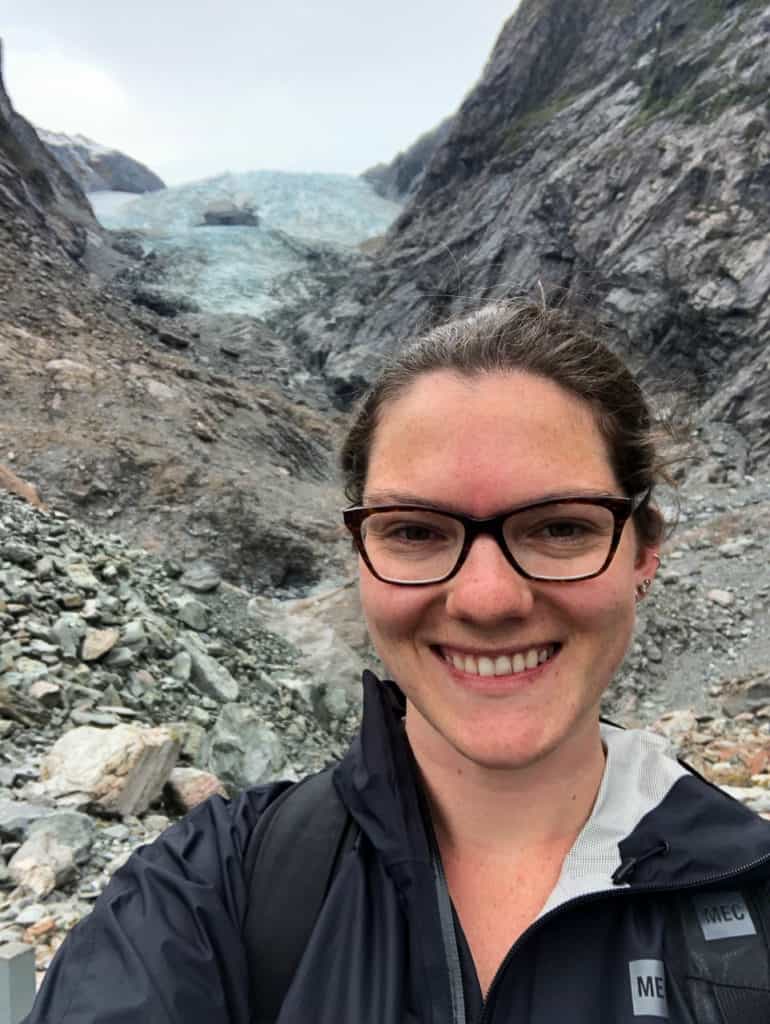
What is the weather like during New Zealand winter?
Winter weather in New Zealand varies across the country. Although it’s small, the North and South Islands of New Zealand experience winter quite differently.
While Wanaka and the Southern Alps become lightly snowy wonderlands for skiers, Auckland hasn’t seen snow in a decade.
When I lived in Auckland, it never went below 8C in winter!
Temperatures across the country range from 15C to 0C, with colder temperatures the higher the elevation and the further south you go.
There is also more precipitation in winter, with heavy rainfalls in areas like Auckland from June to August.
The temperate climate in the country means that it’s never a massive variation in temperature like it is in my home Toronto – where we go from 35C to -30C every year. But you will see a drop in temperature each winter.
How cold is New Zealand winter?
New Zealand winter isn’t very cold. In fact, it’s quite mild in most of the country. On average, New Zealand winter goes down to 0C at the lowest and 15C at the highest – which may sound warm, but considering summer temperatures are regularly over 30C, it’s cold for Kiwis!
Ski hills in Wanaka and the Southern Alps regularly see colder temperatures due to the high altitudes, going down to even -10C.
Houses in New Zealand don’t have good insulation, so you’ll likely feel warm outside but feel incredibly cold indoors if you don’t turn on the heating or invest in some wool socks.
What is the coldest month in New Zealand?
July is the coldest month in New Zealand, on average. July is the peak of winter in New Zealand, seeing the highest rainfall, snowfall, and lowest temperatures across the country.
This is also the busiest time of year for ski resorts as it’s the school holidays and there is guaranteed snowfall in the Southern Alps.
If you’re thinking of visiting New Zealand in winter, July is the best month to go to see the country at its coldest – but be prepared for busy ski spots!
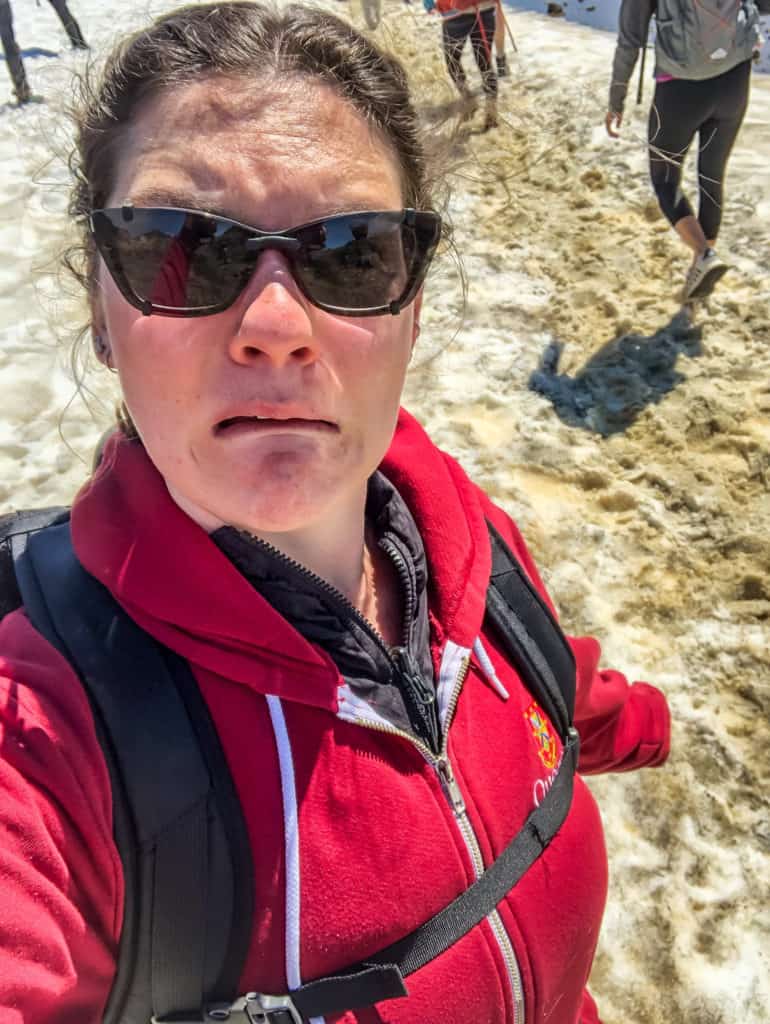
Does it snow in New Zealand?
Yes, it does snow in New Zealand – but only in certain parts of the country. The North Island of New Zealand rarely sees snow, but it’s quite common on the South Island, especially in regions like Wanaka and the Southern Alps. Dunedin, the most southerly city in New Zealand, is known for getting just enough snowfall every once in a while to make tiny snowmen.
Snow isn’t a regular occurrence in New Zealand winters outside of mountainous regions. It’s nowhere near as common as it is in Canada or Germany.
What is the winter like in New Zealand?
The winter in New Zealand is mild, with most of the country seeing average temperatures between 0C to 15C. The North Island experiences more rainfall than snow, while the South Island sees regular snowfall in mountainous regions. Snow isn’t common outside of these areas. July is typically the coldest month of winter.
What is the warmest place in New Zealand in winter?
Alexandra and Gisbourne are regularly debated as to which is the warmest place in New Zealand in winter.
Other people claim Rotorua due to the thermal springs underground that leave the city smelling a bit sulfurous.
You’re likely to find warmer places on the North Island of New Zealand, with sheltered regions like Auckland seeing warmer temperatures and less precipitation.
For example, Wellington is on the southern coast of the North Island and the intense winds often make it feel much colder than it is.
In winter, it often felt as cold as Dunedin due to the wind chill when I lived there!
What is the coldest city in New Zealand?
The coldest city in New Zealand is anecdotally said to be Dunedin, but it’s actually Ophir. In 1995, Ophir was recorded at the coldest temperature in New Zealand history: -21.6C.
Since it’s not as densely populated, more people state that the coldest city in New Zealand is Dunedin – and it’s likely the coldest city you’d experience if you visit.

Does New Zealand get all 4 seasons?
Yes, New Zealand does experience all 4 seasons.
Spring is from September to November, summer is from December to February, autumn is from March to May, and winter is from June to August.
Of course, the further south you travel in New Zealand, the more extreme the seasons will be. The further north, the more temperature due to the subtropical climate.
Is New Zealand worth visiting in winter?
Yes! New Zealand is a beautiful country and there is plenty to do, even in winter.
There are ski resorts on the South Island, hot springs to relax in, and stunning scenery to experience.
If you don’t mind a little cold weather, winter is a great time to visit New Zealand. Just be sure to pack some warm clothes!
It’s also a perfect time for budget travelers to visit, as accommodation and flights are typically cheaper in winter.
Moving abroad? Save more in booking your flights and accommodations by using this platform!
Best Things to Do in New Zealand in Winter
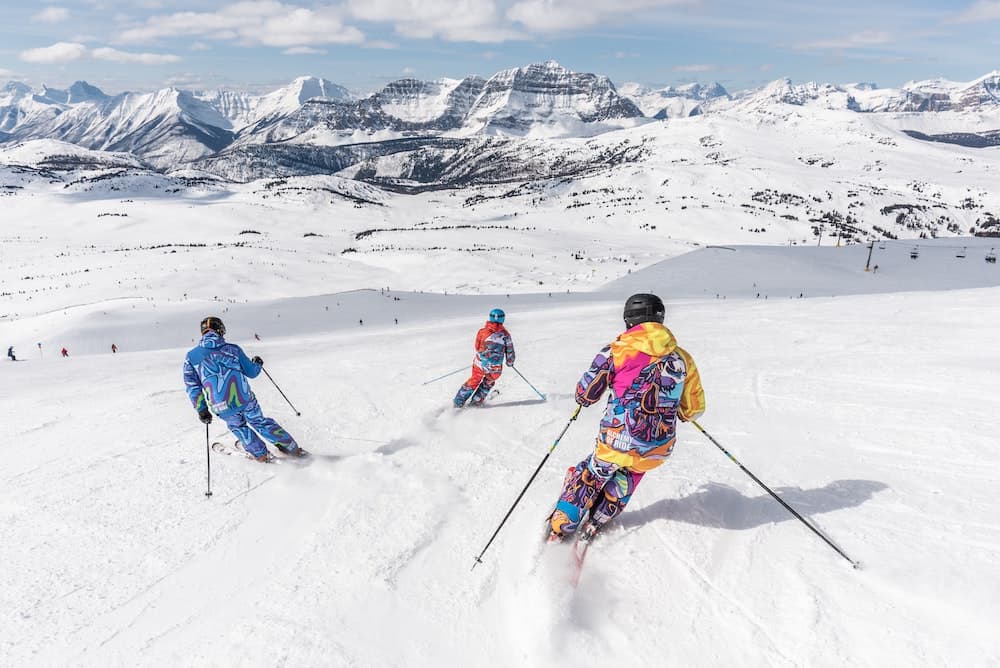
1. Ski and Snowboard in Wanaka or Queenstown Otago
If you’re looking for a ski holiday in New Zealand, Wanaka and Queenstown Otago are two of the best places to go. Both towns are located in the Southern Alps, which means they get plenty of snowfall during winter.
Queenstown is the larger of the two towns and is known as the “Adventure Capital of the World”. There’s plenty to do in Queenstown year-round, but it’s especially busy during winter when skiers and snowboarders come to take advantage of the world-class ski fields.
Wanaka is a bit smaller than Queenstown, but it’s no less charming. It’s located on the shores of Lake Wanaka, which is one of the most picturesque spots in all of New Zealand. There’s also plenty of great skiing and snowboarding to be had in Wanaka.
Both towns are well worth a visit in winter – whether you’re a beginner or an expert skier or boarder. The slopes are challenging and there’s plenty of après ski action to keep you entertained when you’re not on the slopes.
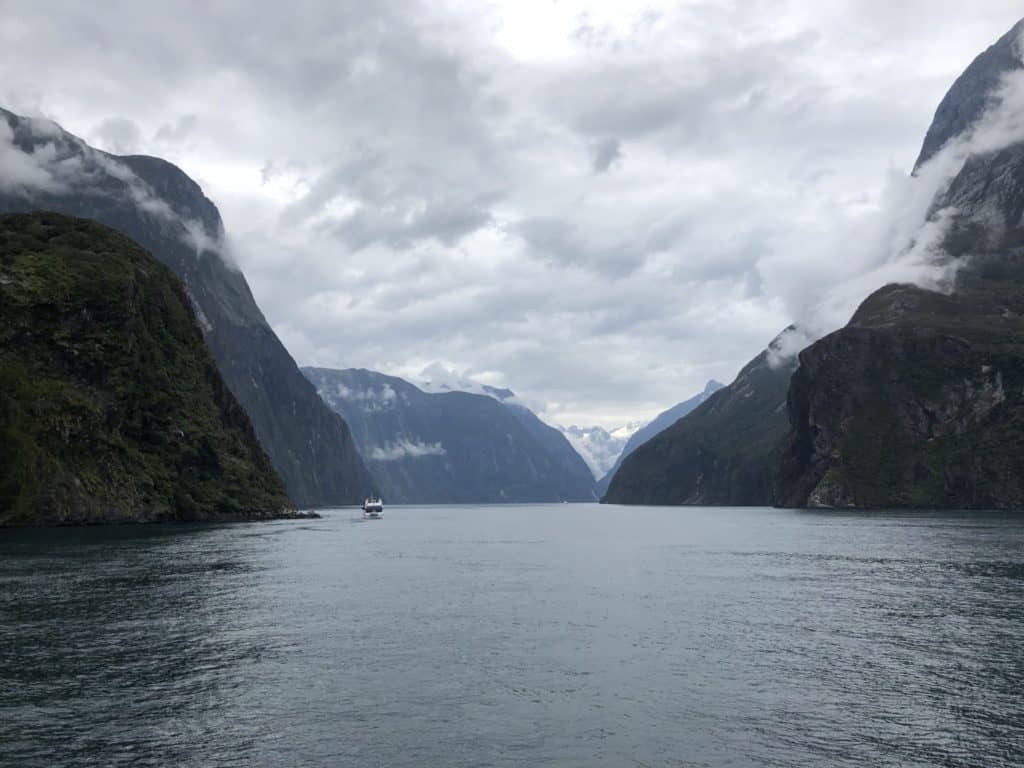
2. Visit Milford Sound, the 8th Wonder of the World
Milford Sound is one of the most popular tourist destinations in New Zealand. The fiord is located in Fiordland National Park, which is part of a UNESCO World Heritage Site.
Milford Sound is often referred to as the “Eighth Wonder of the World” and it’s easy to see why. The fiord is home to waterfalls, glaciers, mountains, and a variety of wildlife.
During winter, the fiord is a popular spot for penguin watching. You can also take a scenic cruise or kayak trip through the fiord.
If there have been heavy snowfalls, the roads from Queenstown may be closed. So plan to stay a few days to be able to have a couple tries to make it to the famed fiord.
✅ Cruise the Milford Sound on this scenic boat tour
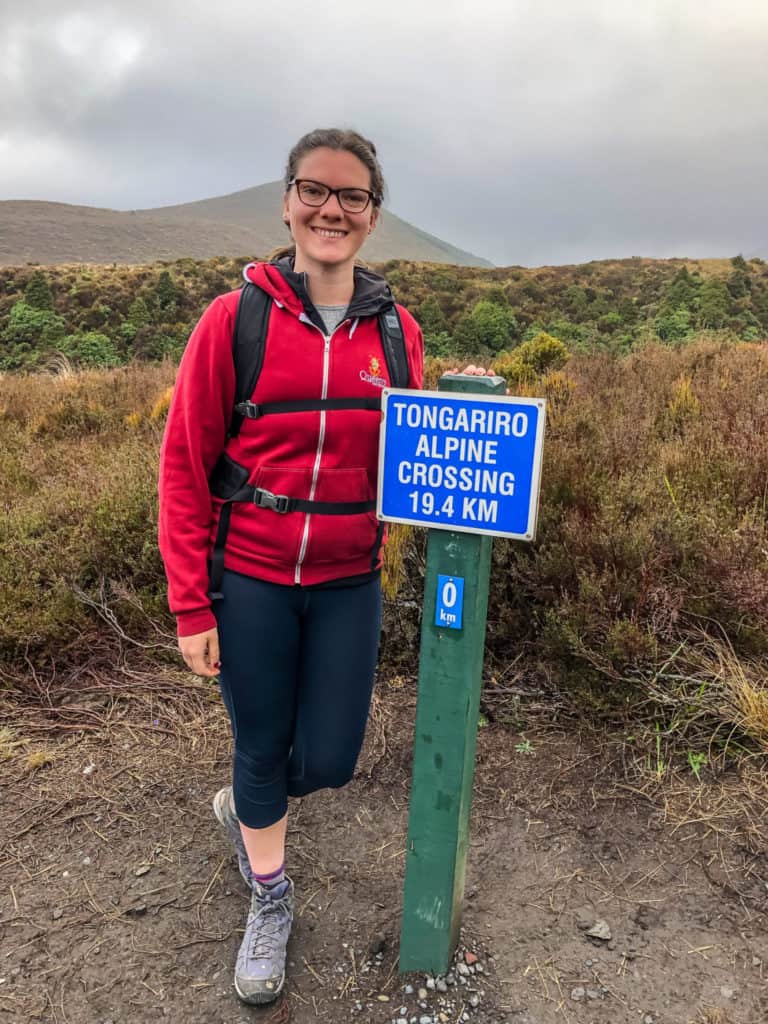
3. Hike Tongariro Alpine Crossing at the National Park
The Tongariro Alpine Crossing is one of the most popular day hikes in New Zealand. The hike takes you through a volcanic landscape and past some of the most beautiful scenery in the country.
The hike can be challenging, but it’s well worth it for the views. It’s also a great way to get away from the crowds and experience some of the quieter parts of New Zealand.
In the summer, this hike is overrun with tourists – many of whom are not fit enough for the journey (I was one of them!).
But in the winter, only experienced hikers take this path with proper gear. The snow does make it a bit more challenging, but it also makes it more serene.
✅ This sunset walking tour is on my bucket list!
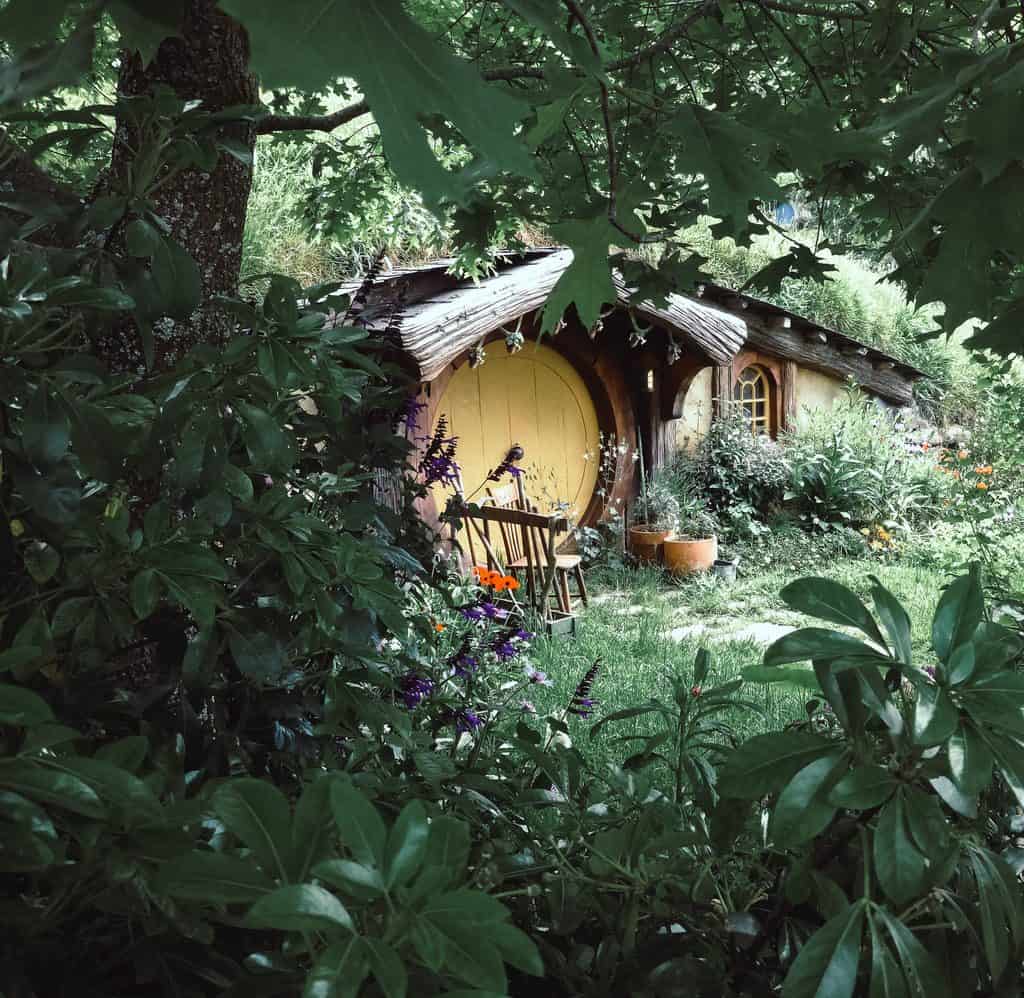
4. Tour the Hobbiton Movie Set
Hobbiton is a year-round must-visit in New Zealand!
The movie set was used in the Lord of the Rings and Hobbit movies, and is a working farm.
You can take a tour of the movie set, which includes a visit to Bilbo Baggins’ house and other iconic locations from the films.
In winter, the grounds are covered in blankets of snow, which makes it extra magical.
Warm up at the end of your tour with a beer from the Green Dragon Inn!
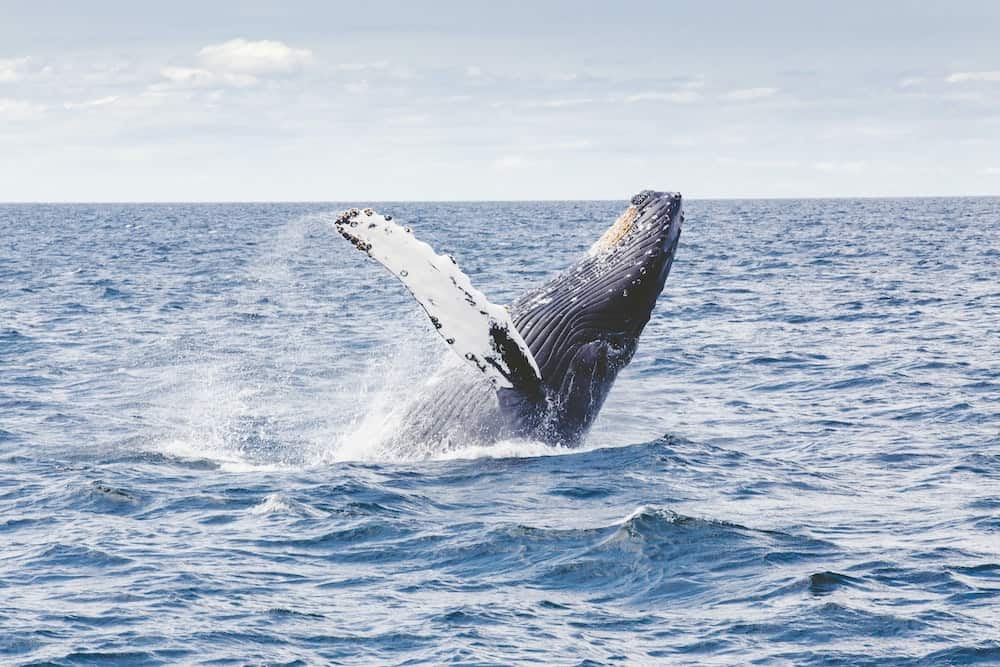
5. Spot Humpback Whales in Kaikoura
Kaikoura is one of the best places in New Zealand to go whale watching. The town is located on the coast, and there are a number of operators offering tours.
During winter, you can spot humpback whales as they migrate to warmer waters. It’s an amazing experience to see these massive creatures up close.
Other wildlife that you might see on a whale watching tour include dolphins, seals, and albatross.
Kaikoura is also a great place to go for a walk or bike ride along the coast. Just be sure to bundle up!
✅ I love this whale watching cruise in Kaikoura
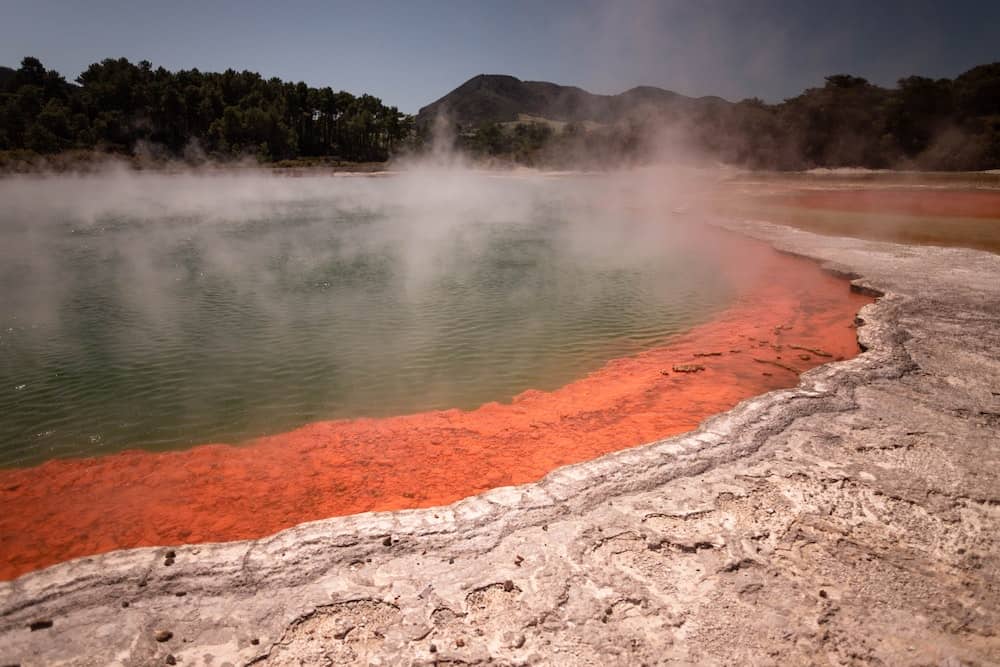
6. Warm Up in a Rotorua Hot Spring
Rotorua is located on the North Island of New Zealand, and is known for its geothermal activity. There are a number of hot springs and geysers in the area, as well as mud pools and steaming lakes.
The Wai-O-Tapu Thermal Wonderland is one of the most popular tourist attractions in Rotorua. Here you can see the Lady Knox Geyser erupt, as well as the Champagne Pool and the Devil’s Bath.
There are also a number of hot springs that you can relax in, including the Polynesian Spa and the Hell’s Gate Hot Springs.
Rotorua is a great place to visit in winter if you’re looking to relax and unwind.
✅ I recommend this hot springs tour and spa excursion!

7. Celebrate the Maori New Year at Matariki
Matariki is the Maori New Year, and is celebrated in June/July. The exact date of the festival varies from year to year, as it is based on the appearance of the Pleiades star cluster.
During Matariki, people come together to celebrate family, friends, and ancestors. There are a number of traditional ceremonies and events that take place during the festival.
If you’re in New Zealand during Matariki, be sure to check out some of the festivities!
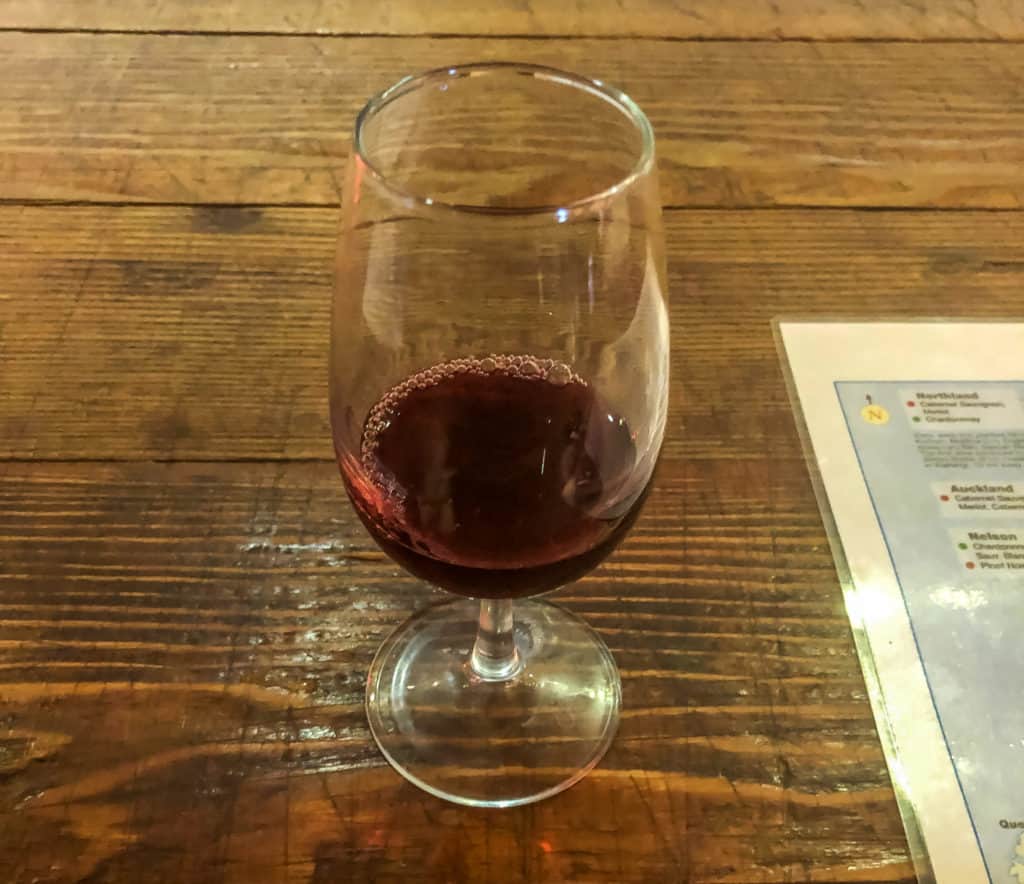
8. Take a Wine Tour in Hawkes Bay
Hawkes Bay is one of the best wine regions in New Zealand. The climate is warm and dry, which is perfect for growing grapes.
There are a number of wineries in the area, and many of them offer tours and tastings.
In winter, the vineyards are covered in snow, which makes for some stunning scenery.
A wine tour is a great way to learn about the different wines of New Zealand, and taste some of the best that the country has to offer.
✅ Stay safe and book this wine tour so you can taste all the bevvies!
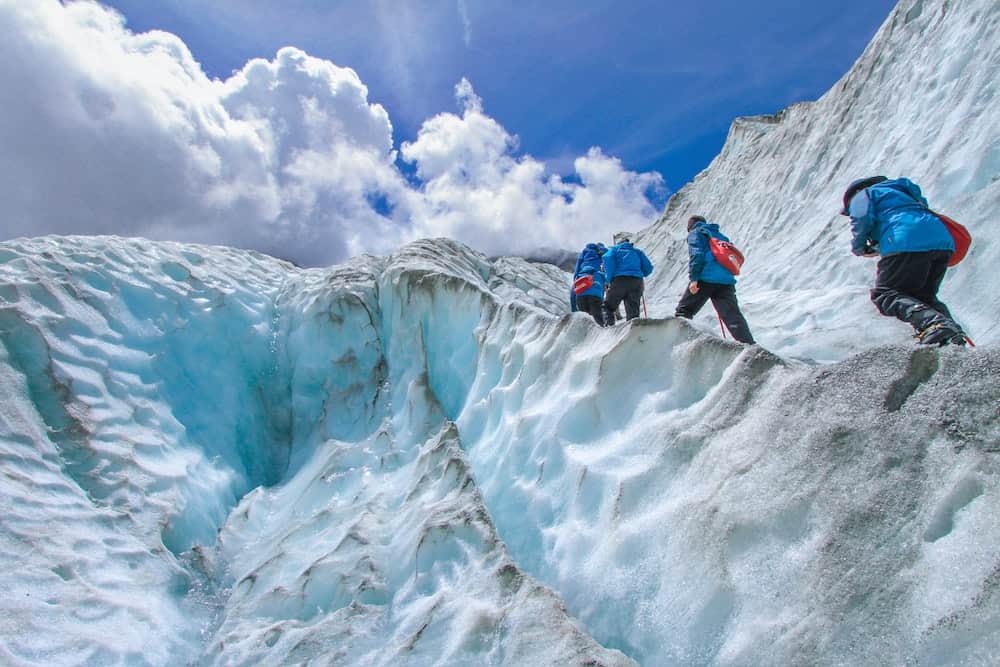
9. Heli Tour the Fox and Franz Joseph Glaciers
A heli tour is the only way to see the Fox and Franz Josef glaciers up close. These massive glaciers are located in Westland Tai Poutini National Park, and can only be accessed by helicopter.
During your tour, you’ll land on the glacier for a short walk around. Be sure to wear your crampons!
A heli tour is an amazing experience, and a great way to see some of the most stunning scenery in New Zealand.
✅ I recommend this heli-hike tour!
My Favourite New Zealand Winter Tours
- This Rotorua hot springs experience on a chilly day
- This heli-hike tour of the Franz Joseph Glacier (with winter gear!)
- This Hawkes Bay wine and beer tour to sample all the bevvies
- This ethical whale watching tour in Kaikoura, NZ
- This sunset walking tour of the Tongariro National Park
- This Milford Sound boat cruise
Wrap Up: When is Winter in New Zealand (& Should You Visit?)
So, when is winter in New Zealand?
Winter runs from June to August, with the coldest months being July and August.
Despite the cold weather, there are still plenty of reasons to visit New Zealand in winter. From whale watching and wine tours, to hot springs and Matariki celebrations, there’s something for everyone.
So, what are you waiting for? Start planning your trip to New Zealand today!
Moving abroad? Save more in booking your flights and accommodations by using this platform!
Living Abroad Travel Planning Guide
🚑 Should I buy expat travel insurance?
100% YES! — With basic coverage averaging just $5-10 USD per day, enjoy peace of mind with a plan from Safety Wing!
🌎 What is the best country to live in as an expat?
It depends – the best country to live in as an expat will depend on your unique needs. I developed this free quiz to help you figure out where is right for you!
📍 How do I pick a country to live abroad?
It depends – picking a country to live in is hard. That’s why I developed this $7 course to share all of the steps I’ve taken when deciding to move to 20+ different countries, and how I handle homesickness when I get there.
Ultimately, making the choice of where to move is going to be hard. But the hardest thing is deciding to move abroad at all!
💼 How do I get a job as an expat?
You can find work abroad via local job boards or temp agencies. My favourite way to work is remotely, so I always look for jobs on FlexJobs.com when I live abroad. They hire for 100% remote roles only.
If you’re looking to teach English abroad, Premier TEFL has the best online course to get you great work!
💰 How do I open a bank account abroad?
Wise.com offers free global accounts, and the cheapest money transfers. Since it can be a headache to open bank accounts in different countries (it took me 2 months in the UK!), Wise.com is a great solution.
I actually use it as my primary bank now worldwide due to the multi-currency debit card. (Read more)
👯♀️ How do you make friends abroad?
Meetup.com – Meet likeminded people who share a similar hobby with Meetup! It’s free to join, but some activities may cost money, like if you go to a cafe and get a coffee.
🙀 I don’t speak the language. Can I still live abroad?
Learn languages in no time with iTalki! Moving abroad is an opportunity to learn the language. You don’t need to know it before you leave home.
💻 Do I need a VPN?
Yes! – VPNs allow you to access more of the internet. From US Netflix in the UK to social media sites banned in Asia. It’s a really helpful and cheap thing to ensure your online activities aren’t restricted.
🧳 What’s the best luggage for living abroad?
This is my favourite luggage set for long term travel. You can read more about my review of types of suitcases for travel here.
🏡 How do I tell my friends and family I want to live abroad?
Take this $7 course and learn the exact script I used to tell my family I was moving abroad … and then when I did it again. I even include tips for prepping your family, and for how to handle family who aren’t supportive.
✈️ What’s the best site to buy cheap flights?
To find cheap flights, I recommend Skyscanner. (Read more)
🏨 What’s the best site to find cheap hotels?
To find cheap hotels, I recommend Booking.com. (Read more)
Or stay for free with Trusted Housesitters!
🚗 What’s the best site to rent cars abroad?
To find cheap rental cars, I recommend Discover Cars.
🚗 What’s the best site to find tours?
To find epic tours, I recommend Viator.