Nina Out and About contains affiliate links and is a member of the Amazon Services LLC Associates Program. If you make a purchase using one of these Amazon links, I may receive compensation at no extra cost to you. See my Disclosure Policy for more information.
15 Best Places to Retire in Canada (From a Local Canadian!)
Canada offers a high quality of life, an excellent healthcare system, and beautiful scenery, which attracts retirees from all over the world, but there is no one-size-fits-all for the best place to retire in Canada.
Your perfect spot depends on your budget, lifestyle, and preferences.
I also recognize that it’s not just about crunching numbers. It’s about finding a place that feels like home.
Toronto and Vancouver are the most popular cities, but many retirees prefer a smaller town with a quiet, affordable lifestyle.
I’m an expert in researching the best places to live in Canada (and the world), so I understand the importance of finding the perfect place to retire. I’ve also visited countless small towns and lived all over Canada, from Victoria to Vancouver, Toronto, and Ottawa.
Here are the best places to retire in Canada, whether you prefer the coast, a metropolitan city, or a small mountain town.
1. Victoria, British Columbia
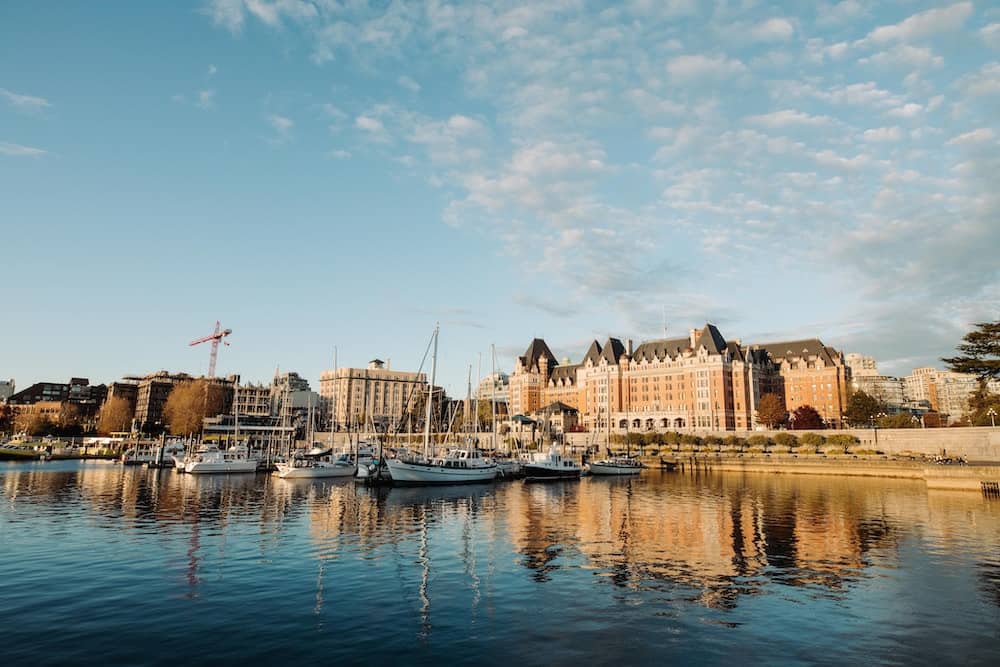
The top spot for places to retire in Canada goes to Victoria, British Columbia.
Victoria is at the southern tip of Vancouver Island. I lived here for a year and thought it was the perfect city size. It has all the amenities and entertainment of a big city, but it really does have a small-town feel.
It also reminded me of my time at Oxford, with its colonial architecture and high tea culture!
Vancouver Island is also so beautiful. It has beautiful beaches, mountains, waterfalls, whale-watching spots, and remote campgrounds. Plus, if you want to visit the city, Vancouver and Seattle are just a few hours away by ferry.
Victoria also has a mild climate. Winter temperatures are usually around 5 – 10ºC (41- 50ºF), which feels more like a really long autumn that blends right into spring. There’s an occasional dusting of snow, but it’s often gone a couple of days later.
The only downside is that it will come with a high price tag if you plan to retire in Victoria.
Victoria has one of the highest living costs in Canada. A single person’s estimated monthly costs (excluding rent) are around $1,181 USD.

2. Calgary, Alberta
Calgary is another one of the best places to retire in Canada.
People also love living in Calgary because it offers an excellent balance between affordability and quality of life. It also has an NHL team, 600 km of bike paths, and no provincial sales tax (PST).
The city is sometimes considered the most livable city in North America!
Calgary is Canada’s sunniest city, and while the cost of living is certainly not cheap (about $1,850 USD/month), it has one of the most affordable housing markets globally, second in Canada only to Edmonton.
The only downsides I can see to retiring in Calgary are that healthcare is slightly pricier than other provinces, and it’s known for numerous healthcare challenges like limited physician availability and longer wait times.
I haven’t personally lived in Calgary, but its weather, livability, and proximity to Banff National Park make it an ideal location for those looking forward to their golden years.
3. Squamish, British Columbia
The lively, small town of Squamish, British Columbia, is another retirement option that deserves your attention.
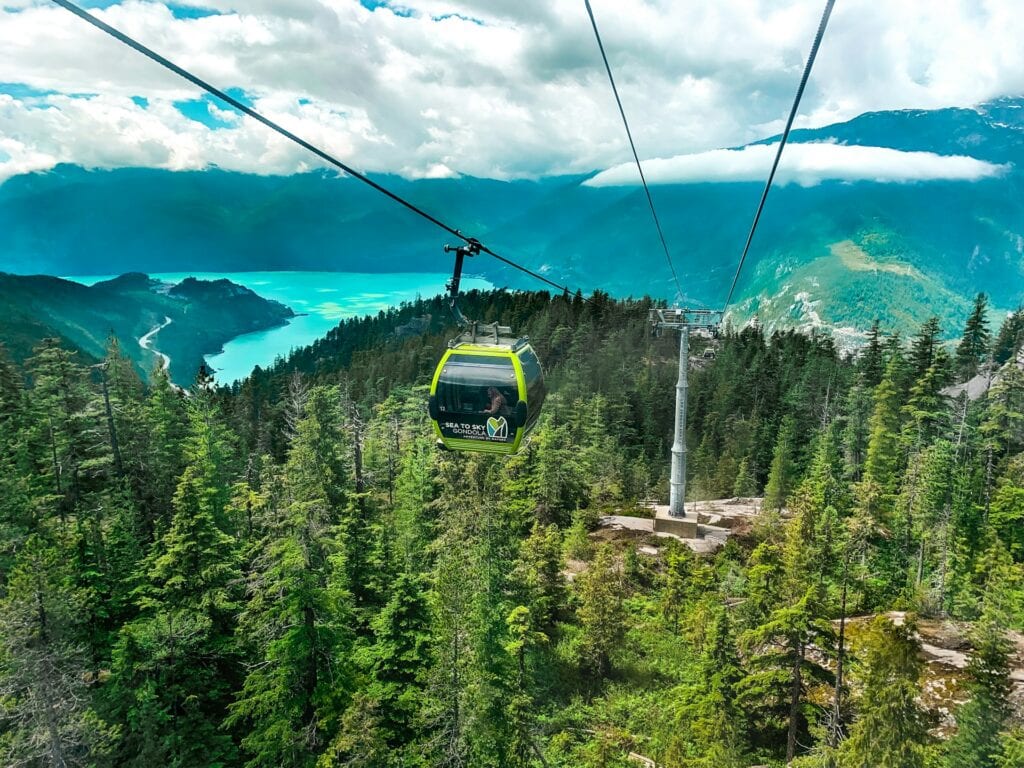
This vibrant community is halfway between Vancouver and Whistler along the gorgeous Sea-to-Sky Highway!
Picture a dramatic fjord next to the bright turquoise-colored sound and towering mountains in the background. It sounds like a fairy tale, but it’s just Squamish. I also love that Squamish feels like a world away, but it’s only 1.5 hours from Vancouver International Airport.
Squamish is a great place to retire if you want to spend time outdoors. It has everything from mountains to forests, rivers, and the ocean. It also has tons of rock climbing, mountain biking, and skiing nearby. No wonder it’s known as the “Outdoor Recreation Capital of Canada!”
But most retirees aren’t looking for extreme sports – to be fair, neither am I – so you’ll be glad to know that the town also has a thriving local arts and culture scene.
It also has the same mild weather as Vancouver and Victoria despite being less than 1 hour from Whistler.
Overall, Squamish is a haven for those seeking an exciting and active lifestyle post-retirement.

4. Vancouver, British Columbia
Vancouver, BC, and nearby West Vancouver, BC, are undeniably two of the top retirement destinations in Canada. I couldn’t pick one, so I’m including both (I can do what I want – it’s my list!).
Vancouver, the largest city in British Columbia, is ranked the top place to retire in the Americas by one list, scoring high for healthcare, financial security, air quality, safety, and healthy longevity. It has some of the lowest tax rates in Canada, too!
If you want to live close to Vancouver but don’t love the idea of being right in the city, try West Vancouver. This area has many museums and art galleries, and Stanley Park is just a short drive away. On the downside, expect expensive housing and traffic going to/from Vancouver!
Retirees also love West Vancouver’s absence of factories and skyscrapers. Strict zoning in this area ensures more space in the neighborhood, cleaner air, and quieter surroundings.
The surrounding mountain scenery is a peaceful backdrop for everyday life in both cities, making it an idyllic setting for those seeking tranquility post-retirement.

5. Parksville, British Columbia
Parksville, fondly known as “Canada’s retirement capital,” is another great spot for seniors looking to enjoy their golden years in serenity.
This city boasts the highest concentration of seniors per capita, making it easy to find community and people in the same stage of life.
Its near-Mediterranean climate allows for year-round outdoor activities, from strolling down the sandy beaches to sailing and kayaking on the Strait of Georgia. You might think you’re in Paros, Greece! Ok, maybe I am kidding, but it is beautiful.
Nature lovers will be thrilled by encounters with whales and seals or a hike to Englishman River Falls, one of Vancouver Island’s most stunning waterfalls.
It’s no wonder so many retirees come to Parksville. It’s the perfect blend of natural beauty, recreation, and a friendly community.
6. Charlottetown, Prince Edward Island
Moving to the other side of the country, let’s talk about Charlottetown, the charming capital of Prince Edward Island.
Of all the places in Eastern Canada, Prince Edward Island definitely deserves a spot on this list of the best places in Canada to retire.
Charlottetown may be small, but don’t let its size fool you. It’s brimming with big-city energy and island vibes.
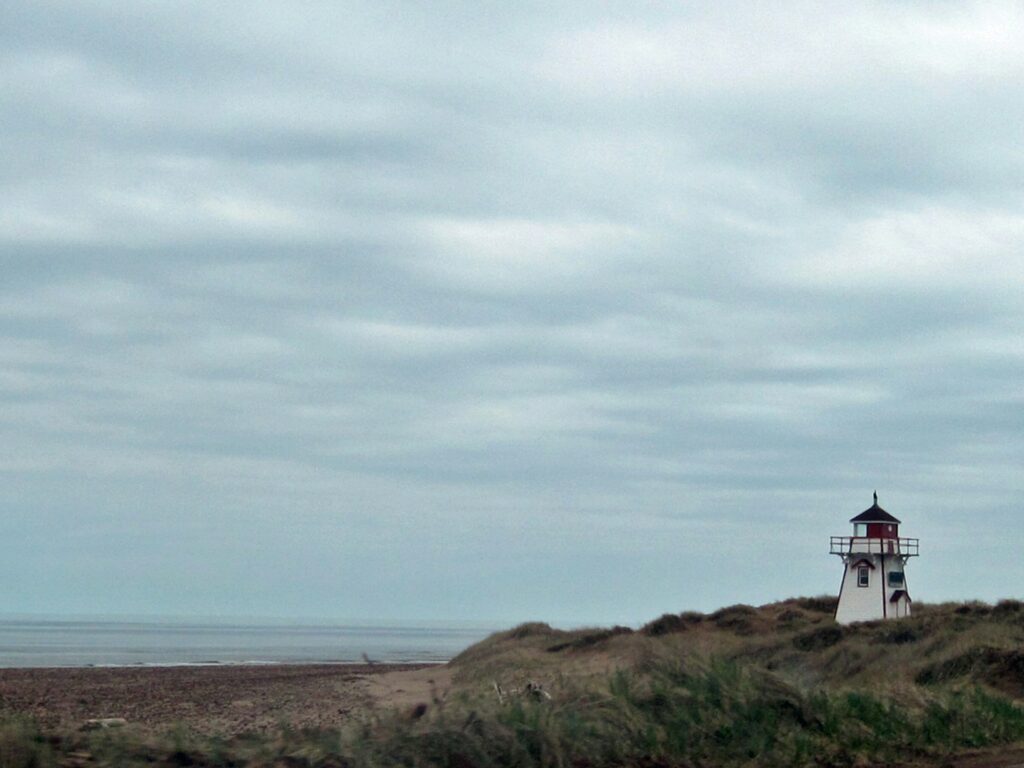
Retirees love waking up to the stunning views of Charlottetown Harbour, wandering through the city’s numerous art galleries, or seeing a show at the Confederation Centre of the Arts.
It’s also wonderful to be by the coastal parks, red-sand beaches, and fresh seafood!
The weather is pretty good, too. There’s snow in the winter, but it’s nowhere near as cold as Quebec, thanks to its ocean proximity!
Living expenses are standard, with affordable housing options in and around the city center. But what sets Charlottetown apart is its safety record and a strong sense of community. Everyone talks about how you really feel like family here.
7. Guelph, Ontario
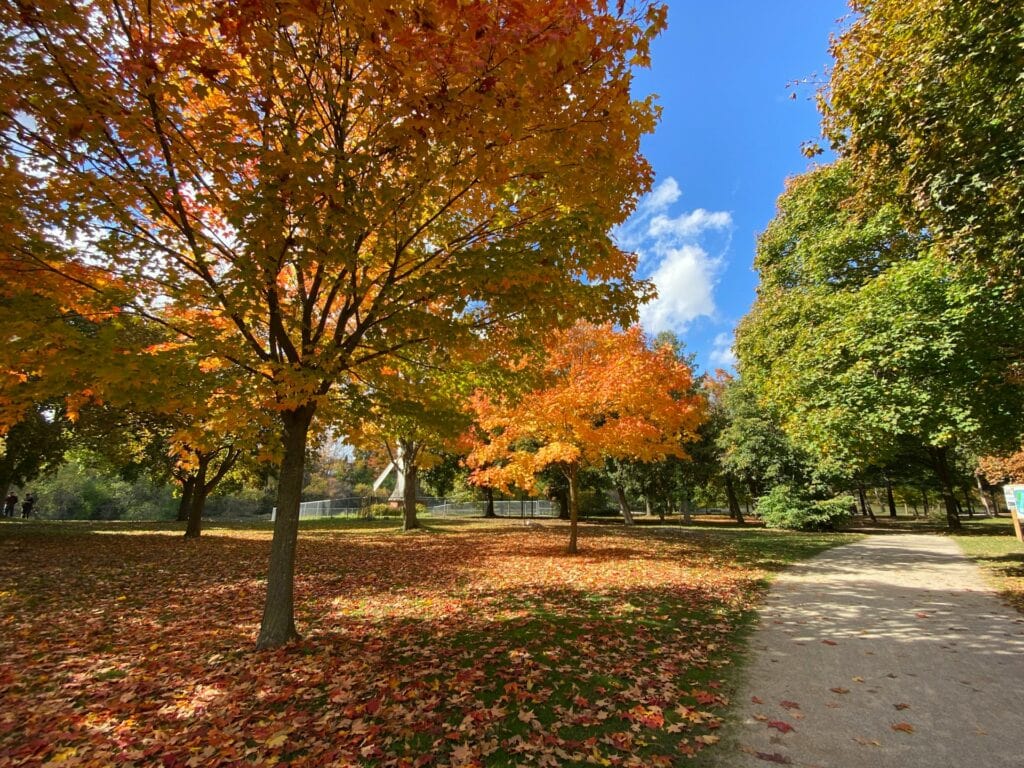
Looking for a quieter pace of life in your retirement years? The charming city of Guelph, just outside of Toronto, offers history, architecture, and a peaceful area close to the city.
This smaller city is known for its vibrant arts scene, numerous galleries, and the renowned University of Guelph.
Guelph is a popular spot both as a university town and among retirees. People love it because it’s more affordable than Toronto, but you don’t feel like you’re sacrificing much of your quality of life.
I know I’d do anything to avoid paying Toronto prices during retirement!
You can secure an apartment near the city center for around $705 USD per month, with general expenses running an additional $520 USD.

8. Niagara Falls, Ontario
Many people forget that Niagara Falls isn’t just a tourist destination. It’s a fantastic place to live, particularly for retirees and nature lovers!
I’ve spent quite a bit of time in and around Niagara Falls, and I love it there because of all the things to see and do. Of course, there’s Niagara Falls, but you can also enjoy seeing the Old Fort, Devil’s Hole State Park, and the Niagara Wine Trail.
I should also mention that it’s an excellent place for boating and fishing, as it’s just a half-hour drive to two of the Great Lakes.
And guess what? You’re just 90 minutes away from downtown Toronto if you ever miss the hustle and bustle of big city life.
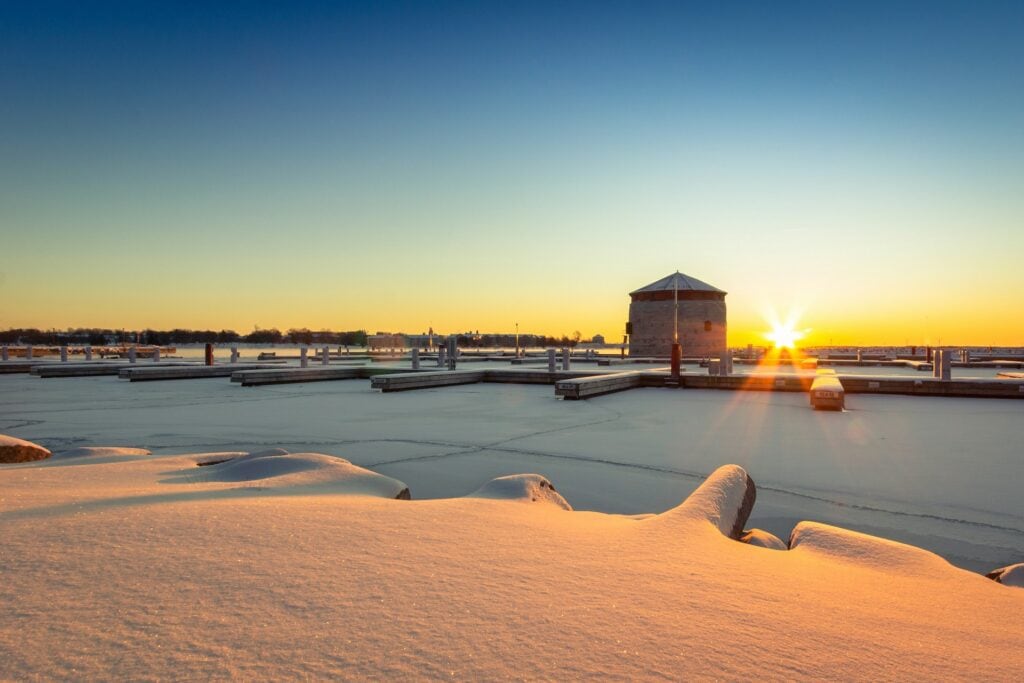
9. Kingston, Ontario
Kingston, Ontario, is a picturesque city that used to be the capital of Canada (there’s a fun fact for you). It offers a blend of historical significance and modern conveniences.
The city is about halfway between Ottawa and Toronto, making it a convenient destination for exploring two of my favorite cities.
If you choose to retire here, you’ll fall in love with the city’s rich cultural scene, marked by museums and art galleries that will keep retirement exciting and intellectually stimulating.
The city’s cold winters can also be fun. There’s ice skating, christmas markets, and cozy indoor evenings by the fire.
Plus, Kingston is relatively affordable. Most retirees can comfortably live here for about $1,500 USD per month (apartment + basic living expenses)

10. Niagara-on-the-lake, Ontario
Niagara-on-the-lake makes a compelling case for being the best place to retire in Canada!
The town attracts retirees with its quaint, small-town ambiance on the shores of Lake Ontario. It sits just a stone’s throw away from Niagara Falls and the US border.
As a Toronto native, I’ve traveled around this region quite a bit. Some of my favorite hikes are here, and although I don’t drink, it’s home to lush vineyards renowned for producing exquisite ice wines – you’re retired, after all!
This picturesque town is famous for its unique boutique shops in Victorian buildings and vibrant flower gardens. You always see residents taking strolls through town and tourists taking horse-drawn carriage rides.
The town has also etched its name on the culinary map as one of the top foodie destinations in Canada.

11. Quebec City, Quebec
Quebec City is the crown jewel of French Canada and offers a truly European lifestyle without crossing the Atlantic.
I often visit my sister, who lives in Montreal, but I’ve always found that Quebec City is slightly better for exploring the province. You’re close to Tadaussac, Saganeay, and several National Parks.
It’s the only fortified city north of Mexico and a UNESCO World Heritage site. You’ll be retiring amidst centuries-old architecture that’s as breathtaking as historic!
Also, Quebec City is predominantly French-speaking, so if you’ve always wanted to learn French, here’s your chance!
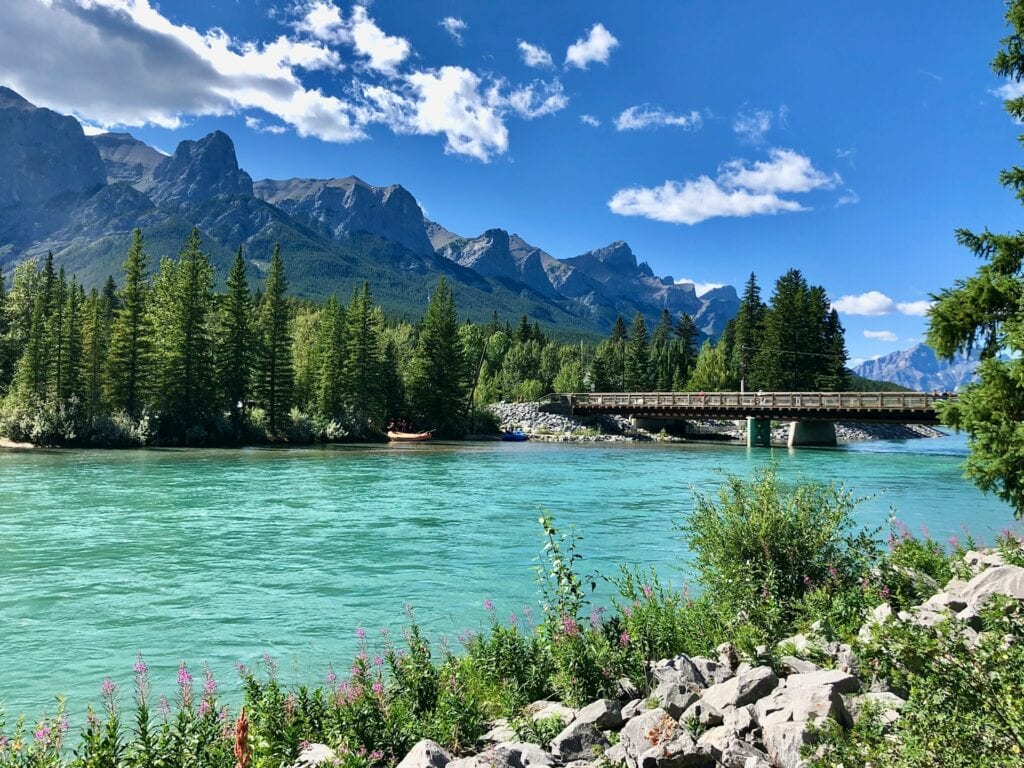
12. Canmore, Alberta
Does the thought of an adventurous retirement appeal to you? Canmore in Alberta could be the best place to retire in Canada for you.
This picturesque town is tucked away in the Rocky Mountains (near Banff National Park) and offers a unique blend of serene landscapes and thrilling outdoor activities.
Canmore is an epicenter for winter sports. Retirees can enjoy skiing, snowboarding, dog sledding, snowshoeing, and ice skating!
But it’s not only winter when Canmore shines! During summer, Banff National Park is just 30 minutes away, and you can find endless hiking, mountain biking, canoeing, and golfing opportunities.
Despite its reputation as an adventurous hub, Canmore also offers a tranquil lifestyle that many retirees covet. They find it simultaneously exciting and relaxing.
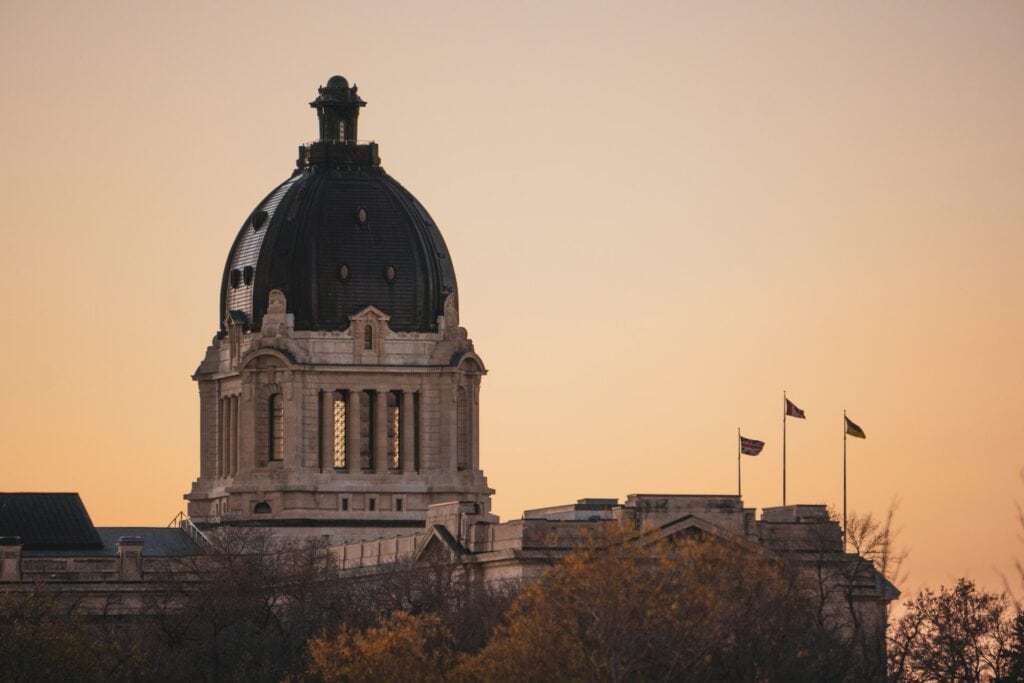
13. Regina, Saskatchewan
Regina is a hidden gem for retirees seeking affordability without compromising quality of life. In my opinion, it’s the best place to retire in Canada on a budget.
Here, the average rent costs less than $1,000 USD, meaning you can stretch your retirement savings further than any other city in Canada.
But it’s not just the pocket-friendly prices that retirees adore about Regina.
The capital of Saskatchewan rarely has a dull moment. You’ll love strolling through Wascana Park, dining at local restaurants, and joining community activities like the Regina Farmers’ Market each Saturday!
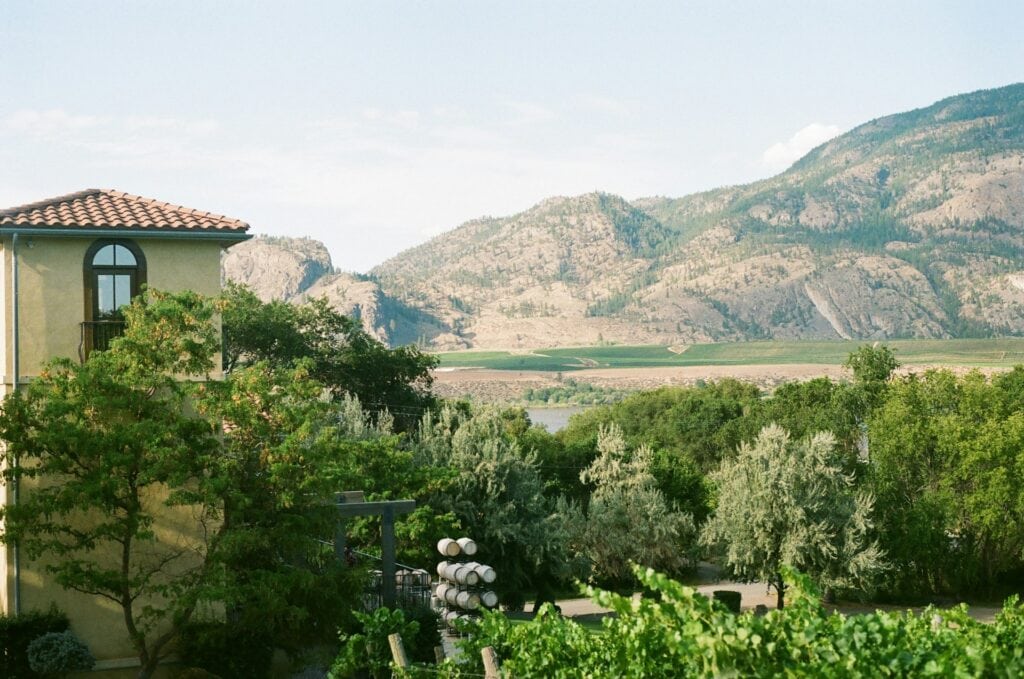
14. South Okanagan, British Columbia
South Okanagan is a little-known destination in the heart of British Columbia.
The downside is that it has freezing winters and super hot summers. That’s not my ideal weather, but if you can bear it, you’ll find yourself in one of the country’s top agricultural zones.
There are numerous vineyards, plus orchards with fresh peaches, cherries, and apples.
Wine connoisseurs will appreciate retiring amidst some of Canada’s finest wineries. You can spend your afternoons taking tours and tastings with your friends.
In addition to the food and drinks, Okanagan Lake is a haven for water sports like sailing and boating during warmer months. Come winter, skiers and snowboarders flock to Big White Ski Resort for the powdered slopes.
15. Fredericton, New Brunswick
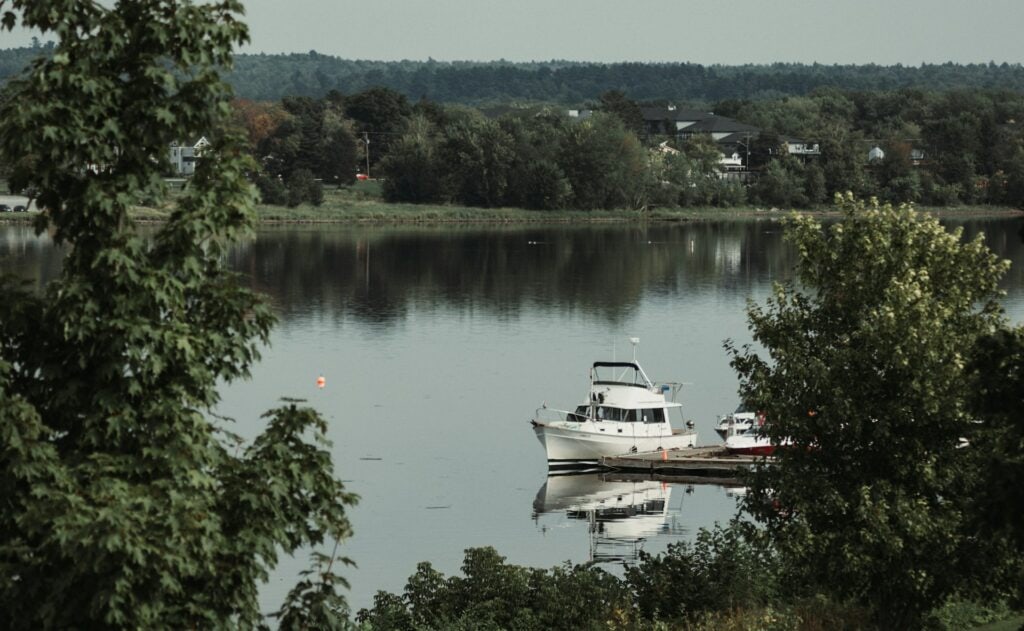
Fredericton has been flying under the radar for a while, but it won’t be much longer. The town was recently ranked as the most livable city in Atlantic Canada!
This small but mighty university city is a cultural hotspot with historic sites and world-class museums.
But Fredericton really comes alive during music and theater festivals, with the Harvest Jazz and Blues Festival each year.
In addition to its rich history and culture, Fredericton offers more affordable real estate than other parts of Canada, making it an attractive choice for retirees looking to purchase a home.
I also love how walkable the downtown area is and all the trails nearby, which remind me a bit of Victoria’s pathways. There isn’t much nightlife, but that doesn’t bother me.
Wrap Up: Best Place to Retire in Canada
Canada offers some fantastic choices for enjoying your retirement!
Victoria, BC, is widely known as the best place in Canada to retire, and after spending a year there, I can see why. Its beauty is unparalleled, and it boasts an active community of American retirees, so if you’re coming from the US, it’s easy to fit in!
If you’re coming from America, it’s also nice that you don’t have to forfeit your Social Security benefits. They’ll follow you across the border!
Some other awesome picks are Calgary and Squamish. Both towns possess a unique charm and great options for people who want a highly active lifestyle. Yet, they are much cheaper than Victoria.
When I retire, I’ll probably be a “snowbird” who spends the summer in Canada and then migrates south to warmer places during winter. Spain and Costa Rica both sound pretty good to me!
Read More About Living in Canada:
- 15 Reasons Not to Move to Canada
- Top 10 Reasons to Move to Canada: From a Canadian Expat
- Cost of Living in Canada by Province
- 15 Best Cities to Live in Canada (Local Tips!)
- 13 Canada Capital Cities & The Best Things to Do
- Living in Vancouver vs. Toronto: Where Should You Move?
- Moving to Toronto from Montreal: Is it Worth it?
- Moving to Quebec from Ontario: Benefits, Costs & More!
- Moving to Ontario from Quebec: Costs, Benefits & More!
- What is the Cost of Living in Toronto? (Local’s Guide)
- Living in Toronto vs. Chicago: Which is the Better City?
- What is the Cost of Living In Montreal?
- What is the Cost of Living in Ottawa? (Local’s Guide)
- Canada in Summer: Best Places to Visit and Things to Do [Local Guide]
- Canada in the Fall: Best Places to Visit and Things to Do [Local Guide]
- Canada in Winter: Best Places to Visit and Things to Do [Local Guide]
- Canada Winter Months and Temperatures
- 65 Best Things to Do in Canada in Winter
- Spring in Canada: Best Places to Visit and Things to Do [Local Guide]
- Living in Ottawa vs. Toronto: Which City is Right for You?
- Living in Toronto vs. Montreal: Which City is Right for You?
- 25 Pros and Cons of Living in Ottawa, Ontario
- 30 Pros and Cons of Living in Toronto: Beyond the CN Tower
- 20 Pros And Cons Of Living In Vancouver, BC Canada
- 22 Pros and Cons of Living in Halifax: Should You Move to Nova Scotia
- Canada Express Entry Step by Step Process
- 32 Pros and Cons of Living in Canada
- Canada Name Generator: Creative Name Ideas from a Canadian!
- Pros and Cons of Living in Calgary
- Canada Doubles Cost of Living Requirement for International Students
Canada Travel Planning Guide
🚑 Should I buy Canada travel insurance?
100% YES! — Canada has “free” healthcare but it’s only for citizens! Foreigners visiting need travel insurance in case anything happens on their visit. I recommend World Nomads – starting at just $5 a day!
💧Can you drink the water in Canada?
Yes — In all major cities in Canada, you can drink the tap water. There are very few, rural areas that you can’t. However, you should never drink river or lake water anywhere in the country! I recommend a Brita Water Bottle for long hikes and backcountry camping to stay safe and hydrated.
🚙💨 Is it safe to rent a car in Canada?
Yes — Renting a car is a necessity in most of Canada! If you want to go on road trips or adventures outside of the major cities, you’ll need to rent a car. (Read more)
📲 Will my phone work in Canada?
Maybe — Some American companies work in Canada, but many will not. If your phone doesn’t work in Canada, I recommend getting a Canadian SIM card so you can get around and stay in contact with loved ones. We don’t have a lot of free WIFI in Canada, so you’ll need your phone for maps.
🏩 What’s the best way to book my Canada accommodations?
My go-to for Canadian hotels is Booking.com. For hostels, I use Hostel World. If you want a home-y feeling, check out VRBO (which is cheaper and safer than Airbnb).
Or get free accommodations with Trusted Housesitters!
✈️ What’s the best site to buy Canada flights?
For finding cheap Canadian flights, I recommend Skyscanner.
🎫 Do I need a visa for Canada?
Likely Not — US, UK, and EU passport holders don’t need Canadian visas. However, some other countries do (check here!). And if you plan to stay for more than 4 weeks (an average tourist visa length), you will need to look into visas to live in Canada.