Nina Out and About contains affiliate links and is a member of the Amazon Services LLC Associates Program. If you make a purchase using one of these Amazon links, I may receive compensation at no extra cost to you. See my Disclosure Policy for more information.
20 Reasons Not to Live in the US (2024)
The United States has a lot to offer, but there are just as many reasons NOT to live in the US.
I know what it’s like to daydream about living in another country – I fell out of love with Canada as a teenager and spent A LOT of time living abroad throughout my late teens and 20s.
During the past decade, I have lived in many different countries, including a short stint in California, followed by a long road trip through 17 US States.
It’s safe to say that I’ve experienced enough of the US to know that it is not an ideal place to live long-term.
The American Dream, while undeniably alluring, isn’t one-size-fits-all. High housing costs, exorbitant healthcare expenses, and the shadow of gun violence are persistent pain points to consider before moving (or staying) in the US.
My goal is not to dismiss the good parts of the USA but rather invite you to consider the cons of living in America so you can make the most informed decision about your future!
1. High Housing Costs

The median home price in the US has reached a staggering $410,200 nationwide, with some states soaring even higher – $713,000 in Hawaii, $799,000 in California, and $621,000 in Washington State.
San Diego, CA, takes the crown for the most expensive housing, though, boasting an average cost of $919,507 USD.
Tack on a mortgage rate of 7.57%, and you’ve got another reason not to live in the US.
Renting isn’t much better, either. US average monthly rents scale at $1,691 for a studio, $1,625 for a 1-bedroom, $1,878 for a 2-bedroom, and a whopping $2,017 for a 3-bedroom.
2. Expensive Healthcare

Most Americans rely on employer-sponsored health insurance, but the financial burden is still significant. The average annual premium cost for employees hit $3,331 in 2021 and continues to climb each year.
For those without health insurance, the stakes are even higher, facing potential bills exceeding $6,000 for an emergency room visit and hundreds of thousands for critical treatments like cancer. Even a 15-minute consultation with a doctor carries an average price tag of $104 USD.
In a country where healthcare costs rank the highest globally, the lack of affordable healthcare is a critical concern for those contemplating reasons to leave America.
3. Gun Violence

Guns are one of the biggest reasons not to live in the US for me.
The first time I visited Texas, I remember standing at the hotel entrance in shock as my eyes fixated on a conspicuous sign that read, “No Concealed Carry Allowed.”
It makes me SO nervous!
The alarming statistics paint a grim picture, with nearly 50,000 people per year falling victim to gun-related injuries. These injuries, in addition to gun murders and suicides, significantly surpass rates in other developed countries around the world.
4. Restrictions on Women’s Rights

Guns aren’t regulated enough, but women’s bodies sure are!
Recent developments in the US, notably the repeal of Roe vs. Wade, have cast a shadow over women’s rights, making it a significant concern for those considering life in the country.
With the right to abortion no longer federally protected, many states are implementing stringent restrictions, jeopardizing women’s health in the process.
As of now, 21 states have either banned or imposed restrictions on abortion, with ongoing battles over access intensifying.
The evolving landscape of women’s rights in the US raises legitimate questions about the country’s commitment to gender equality and individual autonomy.
5. Corporate “Hustle” Culture

Ya’ll know I am a workaholic, but the relentless corporate hustle culture in the US makes even me think twice about living there.
With long working hours and a perpetual challenge to strike a work-life balance, many Americans wear exhaustion as a badge of honor.
The meager vacation time and a federal minimum wage of just $7.25 USD per hour add to the lower-income burden of working overtime.
According to recent comparisons, Americans work approximately 400 more hours annually than their German counterparts, equivalent to an additional ten weeks on the job. Clocking in an average of 1,750 hours annually, US workers find themselves caught in a culture that prioritizes productivity over personal well-being.
6. Unequal Pay for Women and Minorities

Despite pay discrimination being illegal, the gender pay gap persists, with women earning approximately 84 cents for every dollar earned by men.
This wage disparity follows women throughout their entire careers, affecting retirement and perpetuating financial inequality.
The situation is even more dire for Black women, who are paid 69 cents to the dollar, and Latina women, who earn just 57 cents.
Men of color also face wage discrepancies, being paid less than their non-Hispanic White counterparts.
7. Expensive Higher Education

While pursuing a college degree is often seen as a pathway to success, most students graduate burdened with substantial debt.
The US spends more on college than any other developed country, with an average expenditure of $30,165 per student—nearly twice the first-world average of $15,556.
That’s one thing I love about living in Canada, where the average undergraduate tuition is less than $5,000 USD per year.
8. Extreme Weather

The US’s unpredictable and extreme weather patterns are significant for those wary of making it their home.
I’m talking about everything from blizzards to tornadoes, earthquakes, hurricanes, and scorching heat. No matter where you live, you will likely have the threat of at least one natural disaster.
Every year, tornadoes tear through the great plains, California and Colorado have an ever-increasing number of wildfires, and hurricanes batter the entire Southeast Coast.
9. Lack of Public Transportation

Unless you’re chilling in mega-cities like New York or Chicago, the struggle for a decent public transit system is real.
For most cities across the United States, you need a car to survive, leading to a love-hate relationship with traffic and never-ending freeways. I dreaded going anywhere when I was living in California because it meant hours of sitting in traffic.
It’s expensive, too. Buying a car, getting insurance, taking care of repairs, and filling up at the gas stations add up quickly!
10. Unaffordable Childcare Costs

Speaking of cash, the financial strain of childcare costs in the US is a hard pill to swallow for many families.
Unlike most states, paid parental leave is not guaranteed, leaving families grappling with the immediate demands of child-rearing without sufficient support.
The numbers paint a stark picture, with childcare often devouring a third or more of a family’s monthly budget. The burden is especially heavy for some, with certain states dishing out over $14,000 annually on childcare for a single child.
Unfortunately, high childcare costs negatively impact women at higher rates than men.
11. Racism

Despite an overall decrease in violent crime, there’s been a significant uptick in hate crimes, with over 11,000 reported in 2022.
The majority of these incidents target Black individuals, and there’s also a noticeable increase in anti-Hispanic bias and LGBTQ+-related crimes. Antisemitic hate crimes saw a shocking 25% rise, too.
The political landscape is full of figures like Donald Trump and the alt-right stirring the pot in recent years, which has intensified the issue. The lack of police accountability further fuels the flames, creating an environment where racial tensions run high.
Over 45% of Americans acknowledge racism as a significant problem, highlighting the pervasive nature of this deeply rooted issue that continues to shape the American experience.
12. Tense Political Climate
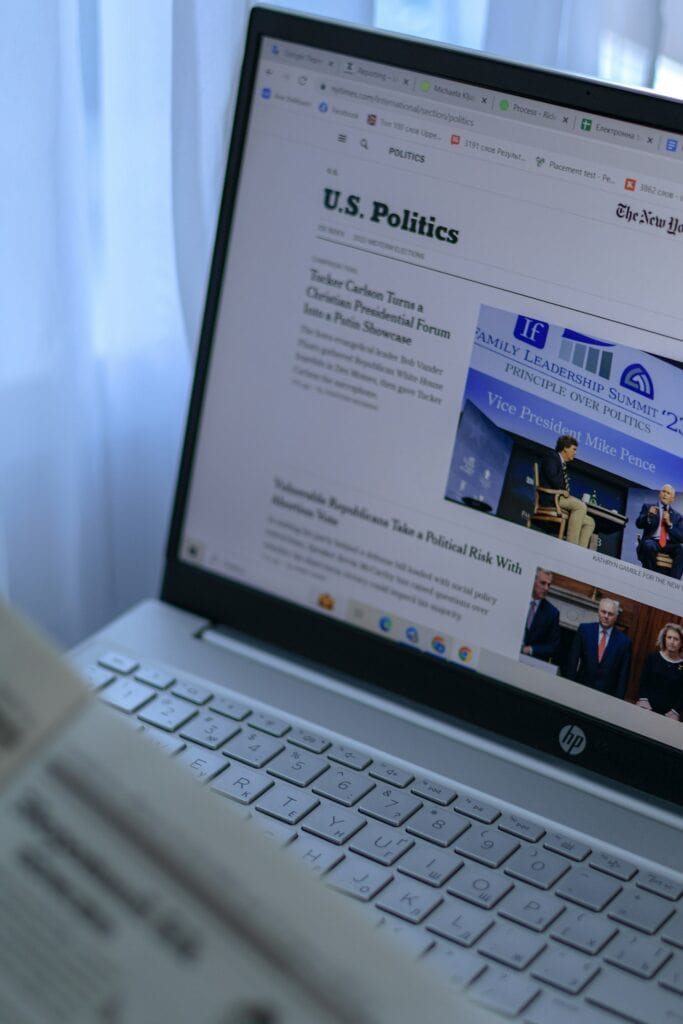
The two-party system defines America, resulting in incredibly slow decision-making and a lack of consensus on almost everything.
Laws vary drastically from state to state, creating a patchwork of regulations that can be challenging to navigate.
The Supreme Court, a body meant to uphold justice, is often drowning in political controversy. I couldn’t wait to get away from the constantly tense politics of the US when I was there.
13. Ultra-processed Food

Navigating the American food scene is a nutritional minefield. I already struggle with a gluten allergy, so the prevalence of ultra-processed food made me feel like I couldn’t get away from things that made me feel sick.
Fat, sugar, salt, and ultra-processed foods dominate the American diet. Americans also consume fewer vegetables, fruits, and whole grains than their international counterparts.
The consequences are easy to see, too, with over 40% of American adults classified as obese.
Luckily, there are healthier food options in the US, but they often come with a higher price tag, making it economically challenging to make healthy choices.
14. Don’t Forget to Add Tip and Tax

Unlike other places where prices on the menu are all-inclusive, in the US, tax and tip aren’t included in pricing.
This makes me feel like I’m solving a mystery while budgeting in the US, trying to calculate the final tally after the add-ons.
Tipping is common practice, often expected at a rate of 15-20% of the bill. Not only does this burden the consumer, but it also sheds light on a more significant issue – service workers relying on tips to make ends meet, as the base wage often falls short of a living wage.
15. Complicated Tax System

While the US boasts some of the highest salaries and lowest taxes globally, the devil is in the details.
Tax rates vary not only by income but also from state to state and city to city, adding another layer of intricacy to your yearly taxes.
The federal income tax ranges from 15% to 33%, plus state and sometimes city tax.
Many Americans must seek professional help and end up shelling out nearly half their income due to the high rates and complex tax system.
16. High Military Spending

In 2023, a whopping $891 billion, roughly 9% of the federal budget, was allocated to defense.
To put it in perspective, that’s more than the spending on crucial areas like Medicare and Medicaid.
The nation’s defense budget is not just big; it’s colossal, surpassing the combined spending of the following ten countries.
While national security is undeniably vital, the sheer magnitude of military expenditures doesn’t align with the immediate needs and well-being of the population, making it one of the top reasons not to live in the US.
17. Consumerism Culture

I was hooked on Amazon’s same-day delivery when I lived in California – the convenience is addictive!
Yet, this consumption culture comes with its pitfalls. The ease of access often leads to impulse purchases, and I found myself guilty of snagging things I didn’t truly need – whether that was a $6 latte from Starbucks or the irresistible Target hauls.
The culture of “buy now, think later” has consequences, evident in the prevalence of credit card debt among many Americans.
18. “America is the Best at Everything” Attitude

Sure, you’ve got the well-read, well-traveled, and open-minded crew that makes America a melting pot of diverse perspectives. But let’s face it, there’s also a fair share of folks who might need to learn what’s cooking beyond the borders.
A whopping 160 million Americans now have passports (double the total in 2007), but many are still sitting in a closet with just a single passport stamp from their cruise stop in Cancun.
The prevailing attitude that America is superior to other nations can create a cultural bubble for some, leaving them blissfully unaware of the richness unfolding beyond their backyard.
19. Expensive to Travel Within US

Unlike Europe, where you can hop on a bus, train, or even catch a budget flight to another country for a steal – often under $100 USD – traveling in the US is much more expensive.
I love easy and cheap weekend getaways, so this is one of the biggest reasons not to live in the US for me.
America truly is beautiful, full of numerous national parks and so much diverse terrain that you’ll never get bored, but the cost makes budget-conscious travelers think twice.
Domestic flights, accommodations, and even road trips can put a big dent in your wallet, especially when your domestic destination can be thousands of miles away.
20. Doesn’t Use Metric System

While the rest of the globe conveniently uses the metric system, the US still uses pounds, miles, inches, and Fahrenheit.
The imperial system has confusing conversions, making traveling outside the US or planning an international trip very complex.
As someone who’s navigated both sides but grew up using the more straightforward metric-driven system, it was a confusing adjustment, and I never got used to the world of yards and miles.
Wrap Up: Leaving the US

Some of the biggest disadvantages of living in the United States are gun violence, a tax system that’s like decoding hieroglyphics, steep childcare costs, and it sometimes feels like a cultural bubble.
But it’s not all gloom and doom. It’s easy to find international food and stores for every niche interest, high salaries, and insanely beautiful landscapes.
So, if you’d like to dive deeper, here are some of the most important Pros and Cons of Living in the USA. There’s a chance that the “American Dream” aligns with yours, and I have a lot of friends who tell me they’d never leave!
If you decide that leaving the United States is for you, there are many countries and cultures to explore.
Western Europe is one of the areas that Americans tend to find most appealing! If that sounds like you, check out these important pros and cons of living in Italy as an Expat!
Living in the USA Guides
- Pros and Cons of Living in North Carolina
- Pros and Cons of Living in South Carolina
- Pros and Cons of Living in California
- Pros and Cons of Living in Washington State
- Pros and Cons of Living in Montana
- Pros and Cons of Living in Chicago
- Pros and Cons of Living in Dallas
- Pros and Cons of Living in New Orleans
- Pros and Cons of Living in Los Angeles
- Pros and Cons of Living in Las Vegas
- Pros and Cons of Living in Iowa
- Pros and Cons of Living in Vermont
- Pros and Cons of Living in Seattle
- Pros and Cons of Living in Maine
- Pros and Cons of Living in Phoenix, Arizona
- Pros and Cons of Living in the USA
- Pros and Cons of Living in Colorado
- Pros and Cons of Living in Texas
- Pros and Cons of Living in Alaska
- Best Pros and Cons of Living in Oregon
- Pros and Cons of Living in San Antonio
- Pros and Cons of Living in Colorado Springs
- Pros and Cons of Living in Nashville
- Pros and Cons of Living in Florida
- Living in Toronto vs. Chicago: Which is the Better City?
- Living in Puerto Rico Pros and Cons: Should You Move to PR?
- Pros and Cons of Living in Georgia, USA: Is Georgia a Good Place to Live?
- Pros and Cons of Living in Hawaii
- Pros And Cons Of Living In New York City
- Pros and Cons of Living in Arizona
Living Abroad Travel Planning Guide
🚑 Should I buy expat travel insurance?
100% YES! — With basic coverage averaging just $5-10 USD per day, enjoy peace of mind with a plan from Safety Wing!
🌎 What is the best country to live in as an expat?
It depends – the best country to live in as an expat will depend on your unique needs. I developed this free quiz to help you figure out where is right for you!
📍 How do I pick a country to live abroad?
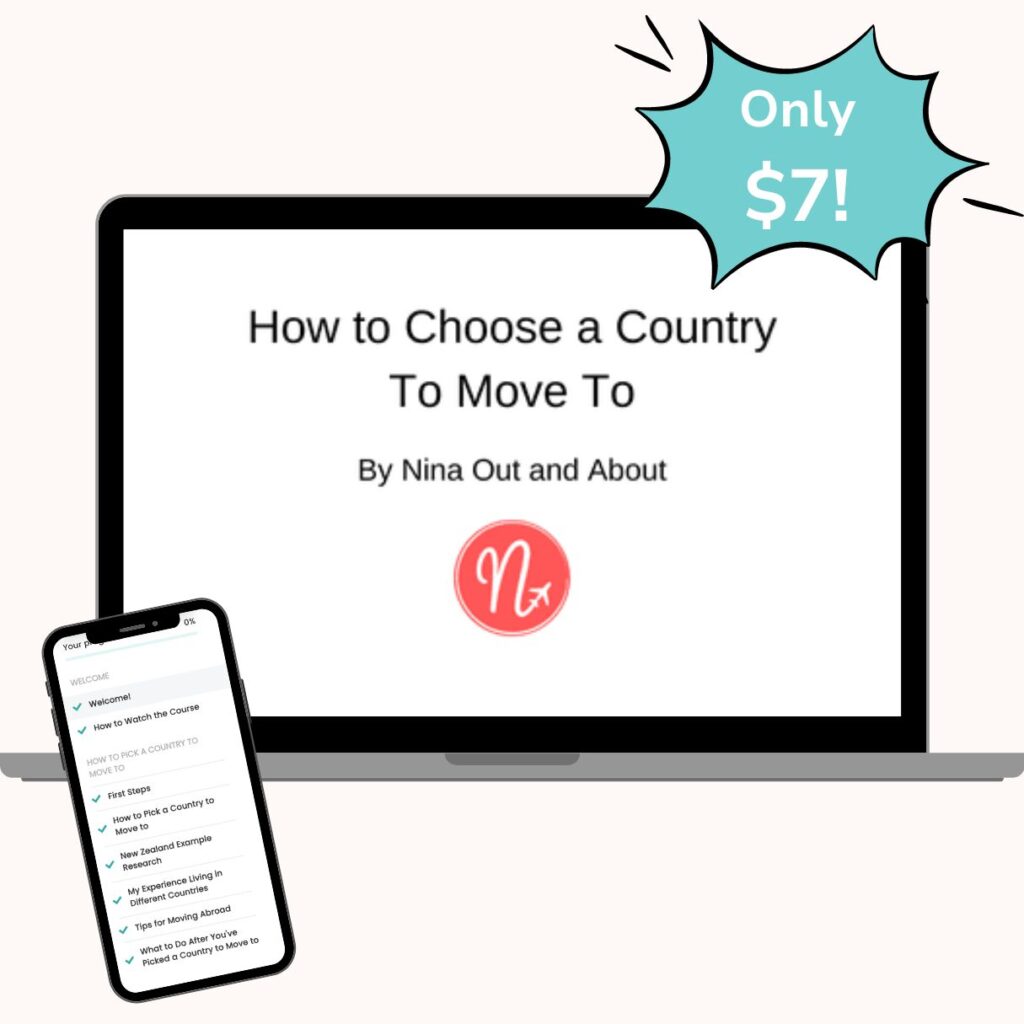
It depends – picking a country to live in is hard. That’s why I developed this $7 course to share all of the steps I’ve taken when deciding to move to 20+ different countries, and how I handle homesickness when I get there.
Ultimately, making the choice of where to move is going to be hard. But the hardest thing is deciding to move abroad at all!
💼 How do I get a job as an expat?
You can find work abroad via local job boards or temp agencies. My favourite way to work is remotely, so I always look for jobs on FlexJobs.com when I live abroad. They hire for 100% remote roles only.
If you’re looking to teach English abroad, Premier TEFL has the best online course to get you great work!
💰 How do I open a bank account abroad?
Wise.com offers free global accounts, and the cheapest money transfers. Since it can be a headache to open bank accounts in different countries (it took me 2 months in the UK!), Wise.com is a great solution.
I actually use it as my primary bank now worldwide due to the multi-currency debit card. (Read more)
👯♀️ How do you make friends abroad?
Meetup.com – Meet likeminded people who share a similar hobby with Meetup! It’s free to join, but some activities may cost money, like if you go to a cafe and get a coffee.
🙀 I don’t speak the language. Can I still live abroad?
Learn languages in no time with iTalki! Moving abroad is an opportunity to learn the language. You don’t need to know it before you leave home.
💻 Do I need a VPN?
Yes! – VPNs allow you to access more of the internet. From US Netflix in the UK to social media sites banned in Asia. It’s a really helpful and cheap thing to ensure your online activities aren’t restricted.
🧳 What’s the best luggage for living abroad?
This is my favourite luggage set for long term travel. You can read more about my review of types of suitcases for travel here.
🏡 How do I tell my friends and family I want to live abroad?
Take this $7 course and learn the exact script I used to tell my family I was moving abroad … and then when I did it again. I even include tips for prepping your family, and for how to handle family who aren’t supportive.
✈️ What’s the best site to buy cheap flights?
To find cheap flights, I recommend Skyscanner. (Read more)
🏨 What’s the best site to find cheap hotels?
To find cheap hotels, I recommend Booking.com. (Read more)
Or stay for free with Trusted Housesitters!
🚗 What’s the best site to rent cars abroad?
To find cheap rental cars, I recommend Discover Cars.
🚗 What’s the best site to find tours?
To find epic tours, I recommend Viator.