Nina Out and About contains affiliate links and is a member of the Amazon Services LLC Associates Program. If you make a purchase using one of these Amazon links, I may receive compensation at no extra cost to you. See my Disclosure Policy for more information.
9 Must-See Natural Wonders in Canada That Are Perfect for Your Winter Getaway
I’m a home-grown Canuck, and I’ve spent a lot of time traveling this country during the winter.
Believe it or not, I’ve grown to appreciate a Canadian winter’s unique beauty, but I’m not necessarily one to strap on skis and hit the slopes.
My favorite part of winter in Canada is how the natural wonders and landscapes transform into something even more magical.
For example, Niagara Falls is gorgeous in any season, but come winter, it morphs into a real-life Narnia. The cascading waters partially freeze mid-fall to create towering ice sculptures up the cliff.
You also have a better chance of seeing the Northern Lights during the long winter nights, and winter hiking in the Canadian Rockies is incredible.
So, trust me when I say there’s more to Canadian winter than frostbite and ski slopes! Grab your coat, and let’s check out the must-see natural wonders in Canada, perfect for your winter getaway!

1. Niagara Falls, Ontario
I’ve had the chance to visit Niagara Falls many times. It’s one of Canada’s top natural wonders to visit year-round, but it’s particularly spectacular in the winter. The snow-dusted landscape and the seemingly frozen waterfalls lit up in festive lights are captivating.
I say ‘seemingly’ because even though it may look like the falls have frozen over, it’s merely an illusion created by the mist and spray from the falls crystallizing into ice.
The best time to visit Niagara Falls is in December, but January has a similar vibe.
In my opinion, the Canadian side has the best views. It gives you the perfect view of the Canadian Horseshoe Falls and American Falls, covered in snow and ice.
After you spend time at the falls, you can enjoy shops, museums, or unique tours nearby, like ice wine tastings to fill your itinerary.

2. The Northern Lights (Aurora Borealis)
You don’t have to go all the way to Finland for this natural wonder. You can wake up to see the Northern Lights right here in Canada!
This breathtaking natural wonder paints the night sky with a mesmerizing ballet of light and color.
It’s no wonder Canada is one of the best places in the world to see them. For the best chance, you should take a trip to the Northwest Territories, which has an average of 240 nights per year of aurora visibility. In other words, ALL WINTER.
Yellowknife is 400km (250 miles) shy of the Arctic Circle. Between December and March, the town offers an unrivaled view of the Northern Lights, and it’s probably the most accessible city with guaranteed sightings.
I saw the northern lights once, by pure chance, from thousands of feet up on an airplane! I’d love to go north in Canada and see them from the ground one day!
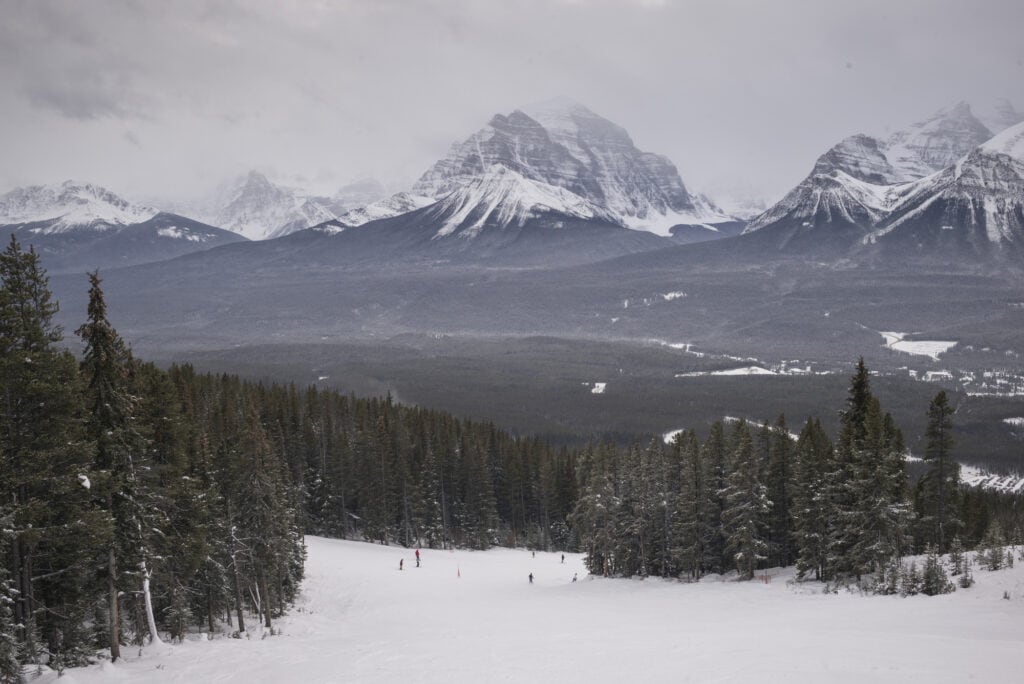
3. The Canadian Rocky Mountains, British Columbia and Alberta
If you’re seeking a winter wonderland getaway, look no further than the Canadian Rocky Mountains.
We have four spectacular National Parks – Banff, Jasper, Yoho, and Kootenay – all clumped together.
Most people come here to ski, but there’s more to this place than just snow sports.
You can go on a winter hike in Banff, peek through frost-dusted evergreens at the Fairmont from Surprise Corner, or ice skating on the iconic Lake Louise – Canada’s top natural wonders in winter.
Theo and I like all the hikes in Banff, but our favorite is Johnston Canyon. It has tons of half-frozen waterfalls that seem to defy nature itself.

4. Gros Morne National Park, Newfoundland
If you’re closer to the other side of Canada, you should check out the pristine beauty of Gros Morne National Park in Newfoundland.
This destination comes alive during winter, with an average snowfall of 13 feet beginning mid-December. It’s also way less crowded, so there’s a chance you’ll have the entire park all to yourself.
One of the best things to do in Gros Morne during winter is explore over 50km (31 miles) of meticulously groomed snowshoeing/cross-country ski trails. Bring your camera, too, because you’ll probably spot tons of wildlife, from moose to foxes, rabbits, and deer.
The park also houses Marble Mountain, which is Atlantic Canada’s largest ski hill.
I love Gros Morne National Park during winter, but the summer is also great! You’ll get access to the Western Brook Pond Boat Tour (May – September) and come from mid-June to mid-August to see the world’s largest population of humpback whales (plus minke, sperm, orca, and blue whales).
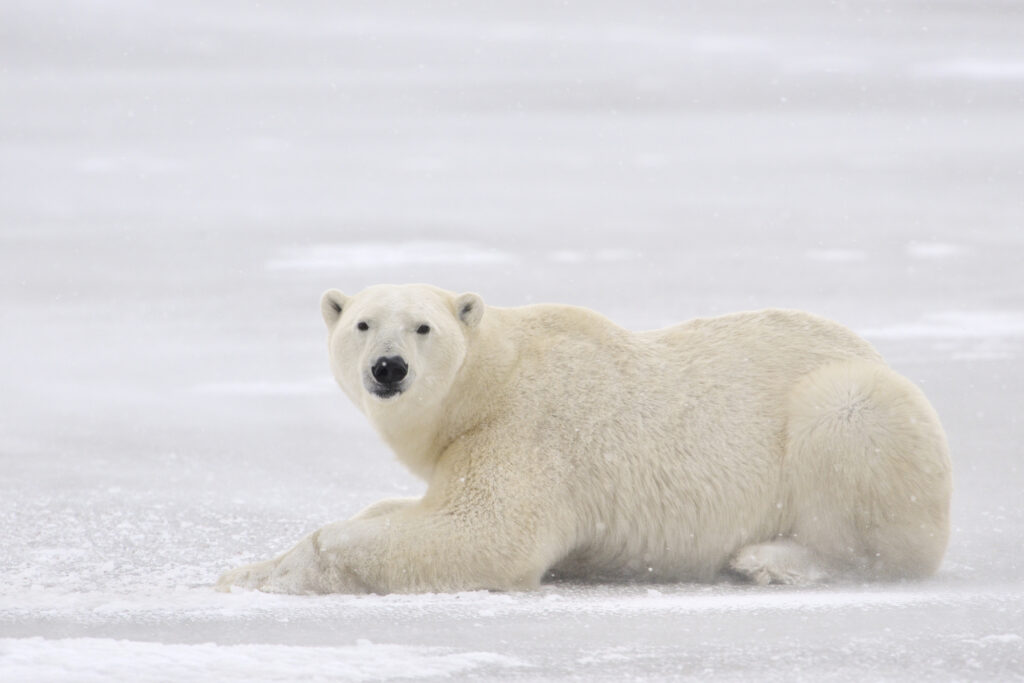
5. Churchill, Manitoba
Churchill is a small town/national landmark in Canada, tucked away in a remote region of Manitoba.
The town is 1000 km (621 miles) north of Winnipeg, and you can only get here by plane or train, making it feel like a world away from the rest of Canada.
It’s known as the polar bear capital of the world, but it also has beluga whales and a multitude of bird species as it lies along their migration path. This truly makes it Eden for wildlife enthusiasts.
Wildlife safaris run from September through November, offering nearly guaranteed sightings of polar bears in their natural habitat.
You’ll find numerous eco-lodges and hotels offering stunning views of the Northern lights for up to 300 nights each year!
So, for those planning a winter getaway, Churchill is one of the more adventurous places you can add to your list, but it offers an unparalleled blend of adventure and tranquility.
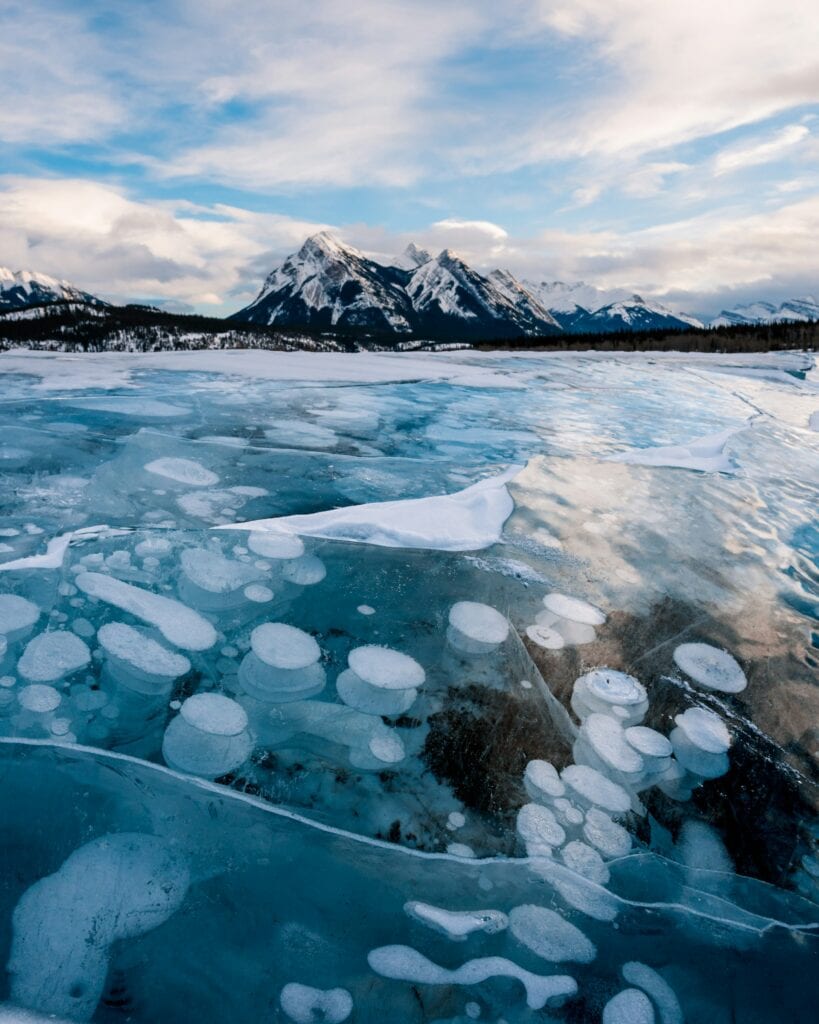
6. Abraham Lake’s Frozen Bubbles
Venture into the heart of the Canadian Rockies to witness an Instagram-famous natural wonder at Abraham Lake.
This gorgeous lake transforms into a gigantic frozen lava lamp during January and February due to an unusually high concentration of trapped methane bubbles. They resemble layers of suspended pearls beneath a glassy surface.
Abraham Lake is between Banff and Jasper National Park, so there is much more to do nearby. My favorite winter options are a Helicopter Tour over Wilson and Columbia Icefields or seeing the ancient Athabasca Glacier from an Ice Explorer.
But the fun doesn’t stop there – keep your eyes peeled for wildlife sightings as bears, elk, deer, and moose roam freely in their natural habitat.
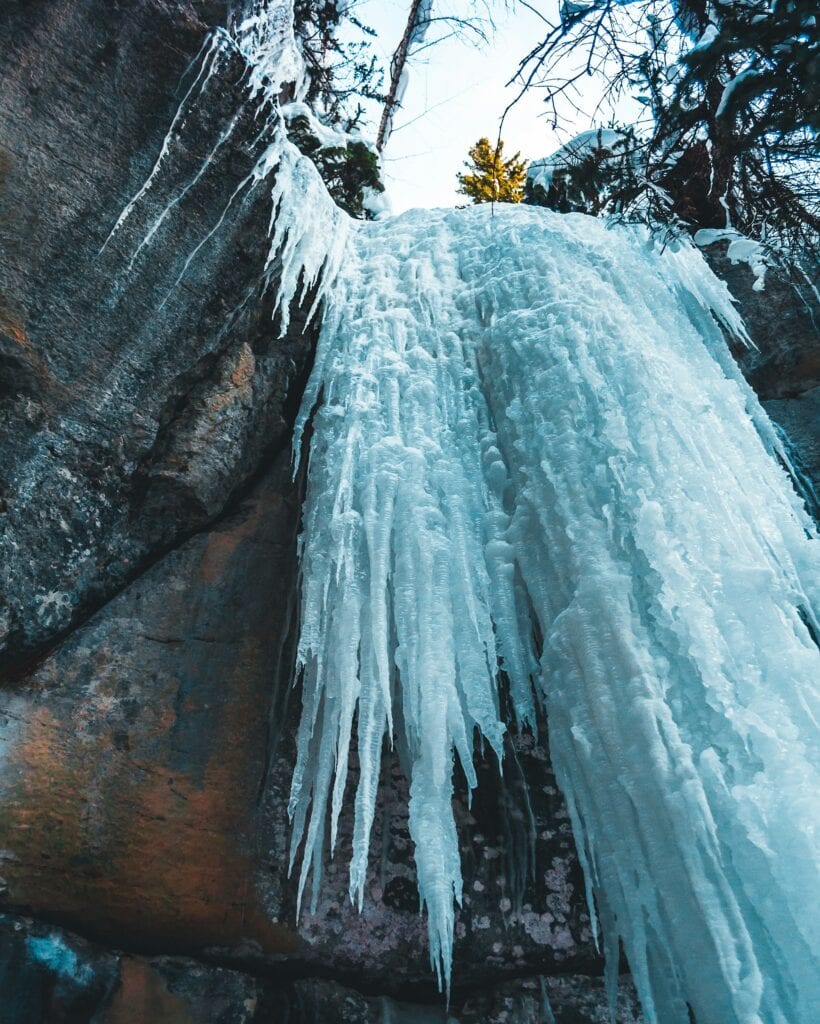
7. Jean-Larose Falls: Hidden Frozen Waterfall
Venture into the heart of Quebec’s winter wonderland, and you’ll find Jean-Larose Falls tucked away at the base of Mont-Sainte-Anne.
Like Niagara Falls, it’s a beautiful place to visit all year round, but in winter, it’s even better!
I’d call it the best winter waterfall in the area, but hardly anyone goes, so you’ll probably have it all to yourself!
Getting to Jean-Larose Falls requires a 4km (2.5 mile) loop trail alongside the river and over 400 stairs. It’s a full-on winter hike. But don’t worry about getting lost – the paths are clearly marked, so long as the snow isn’t multiple feet high.
If you’re up for an adrenaline surge, join an ice canyoning adventure and daringly descend the large 41-meter frozen waterfall!
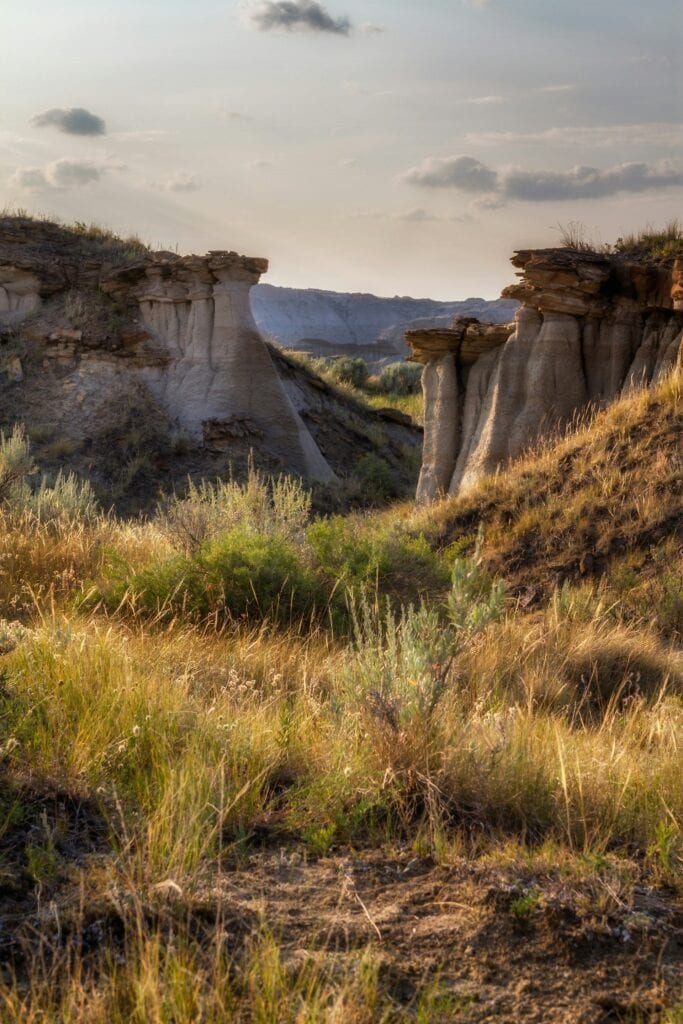
8. Dinosaur Provincial Park
Dinosaur Provincial Park in Alberta presents another winter getaway in Canada with an intriguing mix of history, nature, and adventure.
Just two hours outside Calgary, this UNESCO World Heritage Site is a treasure trove for paleontology enthusiasts, with more complete dinosaur skeletons discovered here than anywhere else on Earth (35 dinosaur species)!
The park’s desert-type landscape transforms into a snow-dusted landscape and remains open for campers craving a night under the sky and even guided tours of the area.

9. Iceberg Alley, Newfoundland
While the Rockies offer majestic mountains and glistening lakes, the eastern edge of Canada presents a different kind of winter spectacle – Iceberg Alley.
This stretch off the coast of Newfoundland and Labrador hosts a parade of massive icebergs that have broken off from glaciers in the Arctic, and the best time to see them is between February and May.
Iceberg Alley in Canada is probably the best location for iceberg sightings worldwide.
These floating monoliths can be quite a challenge for sailors (i.e., The Titanic), but let me tell you, they also become jaw-dropping works of art for photographers!
Final Thoughts: Natural Beauty in Canada
If you’re still on the fence about visiting Canada in winter, I hope these examples show you how beautiful the natural landscapes are in this season. They’re not only still accessible, but some of them are even better!
The Rockies are your best bet if you’re really into skiing or snowshoeing, and this area also gives you easy access to Abraham Lake and winter hiking!
But if you’re more intrigued by wildlife and seeing the Northern Lights, head farther north to Churchill!
No matter where you go, winter in Canada is way better than you’d expect. I’ve learned to love it here over the years, and now that you know a few of the best things you can do in Canada this winter, I’m sure you will, too!
Read More About Canada!
- Canada Day Quiz: Are You a Real Canuck or Posing as a Hoser?
- 20 Common Misconceptions About Canada: Myths & Stereotypes
- Canada Cuisine to Try: Traditional Food Canada is Famous For
- 10 Delicious Canada Cocktail Recipes to Try
- 83 Bucket List Canada Things to Do from a Canadian
- 202 Fun Facts About Canada You’ve Never Heard
- 190 Best Canada Quotes and Captions for Instagram
- 13 Best Sunsets in Canada to See
- Spring in Canada: Best Places to Visit and Things to Do [Local Guide]
- Canada in Summer: Best Places to Visit and Things to Do [Local Guide]
- Canada in the Fall: Best Places to Visit and Things to Do [Local Guide]
- 13 Best Canada Northern Lights Tour and When to Go
- 65 Best Souvenirs From Canada to Gift
- Is Canada in America? + More Facts
- Does Canada Celebrate Halloween?
- Canadian vs American Thanksgiving: What’s the Difference?
- What is Santa called in Canada?
- Canada Name Generator: Creative Name Ideas from a Canadian!
- Canada Winter Months and Temperatures
- 65 Best Things to Do in Canada in Winter
- 27 Best Places to Visit in Canada in Winter
- What is the legal drinking age in Canada?
- Can You Drink in Canada with a US ID?
- Renting a Car in Canada: 41 Important Local Tips & Tricks
- Tipping in Canada: Do You Have to Tip in Canada?
- 100 Canadian Slang Words and Phrases (From a Canadian!)
- 10 Epic Canadian Spots to Celebrate New Year’s Eve
Canada Travel Planning Guide
🚑 Should I buy Canada travel insurance?
100% YES! — Canada has “free” healthcare but it’s only for citizens! Foreigners visiting need travel insurance in case anything happens on their visit. I recommend World Nomads – starting at just $5 a day!
💧Can you drink the water in Canada?
Yes — In all major cities in Canada, you can drink the tap water. There are very few, rural areas that you can’t. However, you should never drink river or lake water anywhere in the country! I recommend a Brita Water Bottle for long hikes and backcountry camping to stay safe and hydrated.
🚙💨 Is it safe to rent a car in Canada?
Yes — Renting a car is a necessity in most of Canada! If you want to go on road trips or adventures outside of the major cities, you’ll need to rent a car. (Read more)
📲 Will my phone work in Canada?
Maybe — Some American companies work in Canada, but many will not. If your phone doesn’t work in Canada, I recommend getting a Canadian SIM card so you can get around and stay in contact with loved ones. We don’t have a lot of free WIFI in Canada, so you’ll need your phone for maps.
🏩 What’s the best way to book my Canada accommodations?
My go-to for Canadian hotels is Booking.com. For hostels, I use Hostel World. If you want a home-y feeling, check out VRBO (which is cheaper and safer than Airbnb).
Or get free accommodations with Trusted Housesitters!
✈️ What’s the best site to buy Canada flights?
For finding cheap Canadian flights, I recommend Skyscanner.
🎫 Do I need a visa for Canada?
Likely Not — US, UK, and EU passport holders don’t need Canadian visas. However, some other countries do (check here!). And if you plan to stay for more than 4 weeks (an average tourist visa length), you will need to look into visas to live in Canada.