Nina Out and About contains affiliate links and is a member of the Amazon Services LLC Associates Program. If you make a purchase using one of these Amazon links, I may receive compensation at no extra cost to you. See my Disclosure Policy for more information.
ALL European Countries With Digital Nomad Visas (2024)
If you want to live in Europe as a digital nomad, I’ve compiled a list of European countries with digital nomad visas that should be on your radar!
Although I’m Canadian, I’ve lived in a handful of European countries over the years and I loved it!
But I could never get a long-term visa, which forced me to move every few months.
This quickly became exhausting.
The good news is that it’s become much easier with the rise of remote jobs! More and more European countries offer digital nomad visas that let you stay, in a country f!! However,p to one year at a time.
Whether you want to live in a big city like Berlin or prefer tranquil seaside towns in Portugal, there are tons of options for digital nomads!
In alphabetical order, here are all European countries offering digital nomad visas and what you need to know before you apply!
Editor picks:
- Overall The Best European Country For Digital Nomads: Portugal
- Best Country For New Digital Nomads: Albania
- Cheapest Digital Nomad Visa: Georgia

1. Albania – Type D Visa for Digital Mobile Workers
Albania is an up-and-coming European digital nomad hub, and it won’t be a secret for much longer.
The country is small but has everything you could want as a digital nomad. For starters, it’s one of the cheapest countries in Europe. Most people live comfortably for less than $1000 (including rent!)
It also has stunning beaches, lively cities, fantastic nightlife, and a solid internet connection.
Most digital nomads live in the capital of Tirana. But if I were moving to Albania, I’d be tempted to move to one of the quiet, picturesque towns along the coast.
Getting a digital nomad visa in Albania is also one of the most straightforward in Europe. You just apply online for a Type D Visa, and once approved, you can move to Albania!
Application Cost – Free to apply
Visa Length – 12 months
Income Requirement – Not specified
Where To Apply – Apply online

2. Armenia – Temporary Residence Permit
If you want to live in a country that beautifully blends European and Central Asian cultures, consider Armenia.
To live as a digital nomad in Armenia, you must register as a sole proprietor or “Private Entrepreneur” and apply for a temporary residence permit. This functions very similar to a digital nomad visa, but you will need to jump through a couple of extra hoops to get the visa. Don’t worry, it’s nothing too complicated.
The cost of living in Armenia is low, and the country is much safer than people think. There’s some conflict over Nagorno-Karabakh, but if you’re living in the capital city of Yerevan, you’ll be far from potential danger at the Armenian-Azerbaijan border.
Application Cost – around $200 USD
Visa Length – 1 year
Income Requirement – Not required
Where To Apply – Apply Online – The Migration and Citizenship Service of the Ministry of Internal Affairs of the Republic of Armenia

3. Croatia – Croatia Digital Nomad Visa
Croatia is one of the most popular European holiday destinations, and now that they have a Croatian digital nomad visa, it’s one of the best (and warmest) places in Europe to settle down as a digital nomad!
I lived and worked in Croatia on a horse ranch in a small, unnamed village. But you don’t have to go completely off-grid like I did.
Zagreb is the largest city and most popular for digital nomads, but it’s a few hours inland. If you want to live on the Mediterranean Sea, consider living in Split, Zadar, or Rijeka. All of these cities have designated co-working spaces for remote workers.
So, if you dream of spending winter working from your laptop by the sea, Croatia is perfect!
Application Cost – Around $200 US
Visa Length – 12 months
Income Requirement – €2,539,31 ($2,800 US) per month OR €30,471.72 ($33,700 US) already available in your account
Where To Apply – Apply Online

4. Cyprus – Cyprus Digital Nomad Visa
Cyprus is another sunny Mediterranean haven for digital nomads. It offers a specialized visa for remote workers and self-employed individuals with clients outside the country.
Securing a Cyprus digital nomad visa is easy, although it requires submitting your application in person or through an authorized representative, which could cost a little extra.
If you fulfill the income requirement, Cyprus is one of the best places to move in Europe. The weather is fantastic, the coast is lined with wonderful beaches, and the cost of living is low.
Application Cost – €70 ($78 US)
Visa Length – 1 year
Income Requirement – €3,500 ($3,900 US) per month
Where To Apply – Central offices of the Department in Nicosia

5. Czech Republic – Digital Nomad Program
The Czech Republic recently launched a trial digital nomad visa program for highly skilled workers.
Unfortunately, only citizens of Australia, Japan, Canada, the Republic of Korea, New Zealand, Taiwan, the USA, or the United Kingdom can apply for the program.
I spent some time living and teaching English in Prague and thought it was a lovely city.
But if you’re looking for a low-key base, the Czech Republic has plenty of enchanting towns with a stable internet connection.
Also, living in the Czech Republic is surprisingly affordable for a central European country.
Application Cost – around $113 US
Visa Length – 1 year
Income Requirement – approx. $2,700 US per month
Where To Apply – Apply online
6. Estonia – Digital Nomad Visa
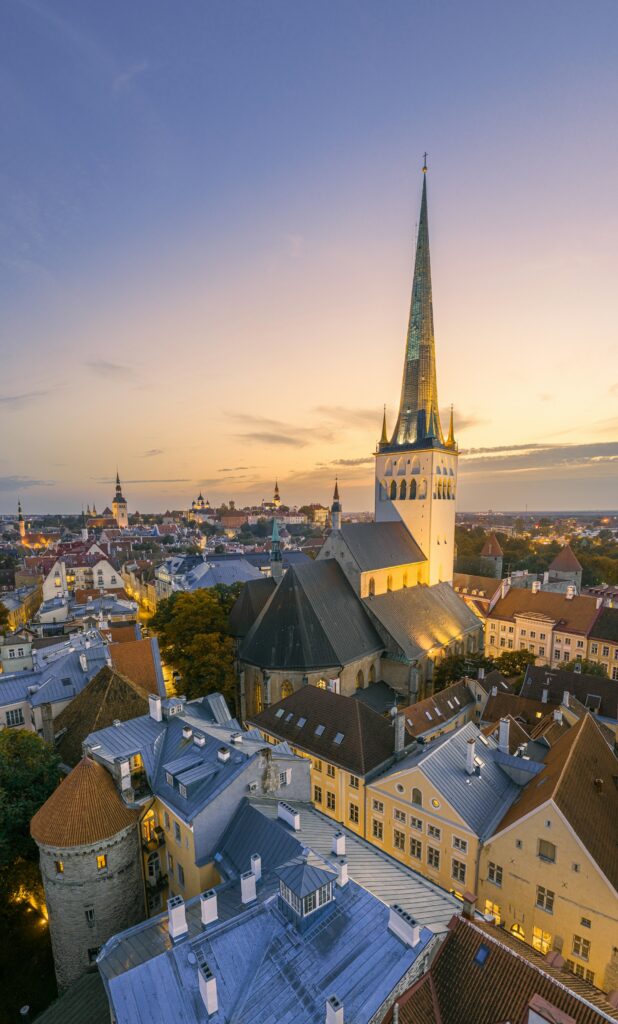
Estonia stands out as one of the most underrated European countries for digital nomads. It’s also one of the quickest Visas you can obtain, with the application process taking just 15 days.
The country is beautiful, with several picturesque towns you could call home, affordable cost of living, and fast internet. It’s also a great winter destination because of the festivals and bustling Christmas markets!
However, the minimum monthly income requirement is quite high, so it might be challenging to sustain for some digital nomads.
Application Cost – €100 ($110 US)
Visa Length – 1 year
Income Requirement – €4,500 ($5,000 US) per month
Where To Apply – Estonian Embassy

7. Germany – German Freelance “Freiberufler” Visa
Living abroad in Germany is a popular choice for many expats, and I also had the pleasure of calling Berlin home for a short stint. The city’s vibrant atmosphere and English-friendly vibe made it an incredible experience.
There’s no dedicated digital nomad visa in Germany, so you’ll have to apply for a freelance resident permit.
Brace yourself, though – Germany’s renowned for its bureaucracy.
You’ll have to get German health insurance, a German bank account, and a specific type of apartment, all before even getting your Visa. This requires a healthy dose of patience and meticulous planning!
Application Cost – €75 ($83 US)
Visa Length – Per case basis
Income Requirement – €9,000 ($10,000 US) per year
Where To Apply – German Embassy

8. Georgia – Remotely from Georgia
Since launching the “Remotely from Georgia” program in 2020, Georgia has become known as one of Europe’s most digital nomad-friendly countries.
Georgia is the digital nomad’s dream, as citizens of 98 countries can stay for a full 365 days without the hassle of a visa.
That would have made things so much easier when I was country-hopping every couple of weeks throughout Europe!
Although you probably don’t need a visa to work remotely in Georgia, having one unlocks several perks, from local healthcare to gaining tax residency with a 1% tax rate if your business earnings fall below a certain threshold.
Application Cost – Free
Visa Length– 1 year
Income Requirement – $2,000 USD per month
Where To Apply – Apply online

9. Greece – Digital Nomad Visa
Greece is at the top of my travel wish list, and working from a Greek island sounds like a dream!
That’s why I was so excited to learn that numerous Greek islands actively welcome digital nomads.
The Greek digital nomad visa is available to foreigners who work remotely for foreign companies or are freelancers with clients outside of Greece. Most of Greece is budget-friendly, too. So you’ll have a very high quality of life with the minimum monthly salary you need to apply!
If you don’t know where to begin, there are several digital nomad campaigns to consider, such as “Work from Crete!”
Application Cost – €75 ($83 US)
Visa Length – up to 12 months
Income Requirement – €3,500 ($3,900 US) per month
Where To Apply – Through Greek consular posts
10. Hungary – White Card
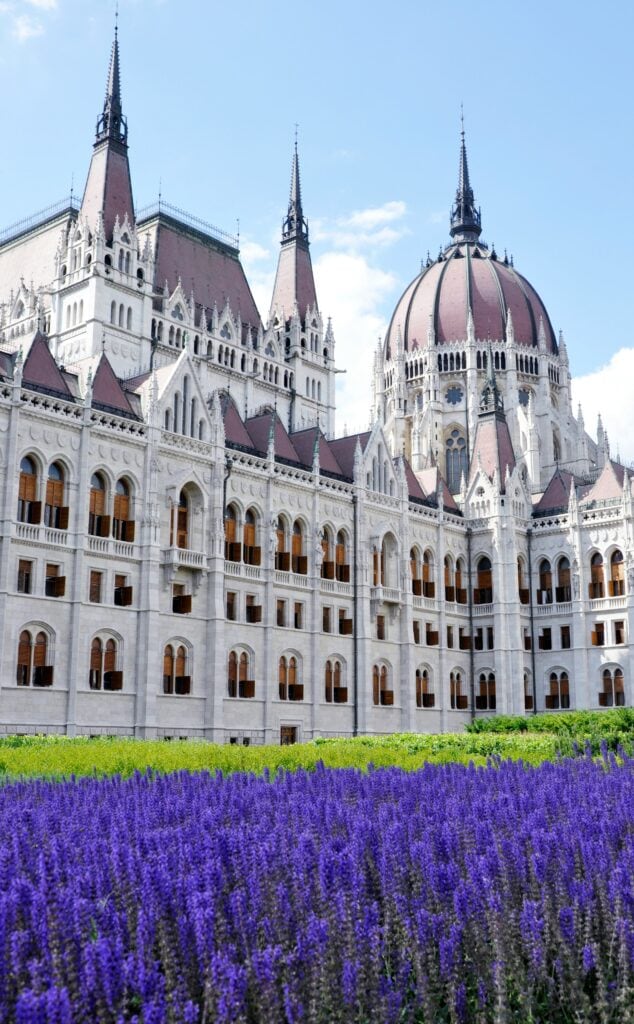
Hungary has a unique digital nomad visa known as the White Card.
I love Hungary, especially Budapest, but self-employed individuals (like me) aren’t eligible. You must have a work contract with a foreign company that permits you to work remotely.
But if you do fit the requirements, you’ll be glad to know that the minimum income requirement is one of the lowest in Europe!
Application Cost – €110 ($120 US)
Visa Length – 1 year
Income Requirement – €2,000 ($2,200 US) per month
Where To Apply – Hungarian Embassy or online

11. Iceland – Long-Term Visa For Remote Work
Iceland is a bucket list destination for many people, but have you ever considered living there?
Thanks to Iceland’s long-term visa for remote workers, waking up to breathtaking landscapes, hot springs, and charming towns can be a reality! The only thing to consider is that it’s one of Europe’s shortest digital nomad visas.
The Long-Term Visa for remote work only permits you to stay in Iceland for 90 to 180 days.
But considering Iceland’s high cost of living, six months may be just the right amount of time!
Application Cost – $90 US
Visa Length – 90 to 180 days
Income Requirement – $7,000 US per month
Where To Apply – Directorate of Immigration by mail

12. Italy – Digital Nomad Visa
I was 16 when I first moved to Italy, and it was the first country I ever lived abroad in.
I would go back to live in Italy in a heartbeat! In fact, I have plans to move there with Theo sometime in the next couple of years!
The issue is that we might have to wait for a little bit before it’s possible. Italy introduced digital nomad visas in 2022, but they don’t have it officially up and running yet.
If you are a freelancer, there’s a workaround with Italy’s self-employed visa. However, it’s not flawless, and they cap the number of accepted applicants at just 2400 per year.
Application Cost – TBD
Visa Length – TBD
Income Requirement – TBD
Where To Apply – TBD
13. Latvia – Long-Stay Visa For Remote Work
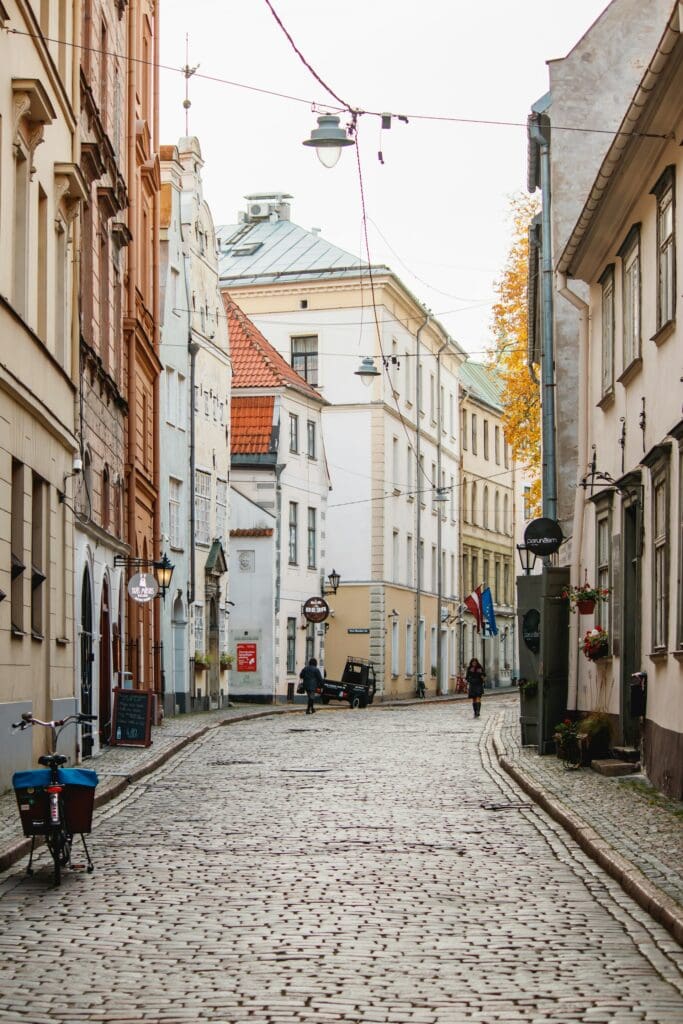
Latvia is another European hidden gem for digital nomads! Think charming towns, a budget-friendly lifestyle, and a hassle-free digital nomad visa system.
You can apply for a visa as a remote worker or a self-employed individual. You just have to prove that you have a monthly income of at least €3,433 ($3,800 US).
Riga is the largest digital nomad hotspot in the country, with numerous co-working spaces and charming cafes. Yet, Latvia’s appeal extends beyond Riga, with fast internet available for remote work throughout the country.
Application Cost – 60€ ($67 US)
Visa Length – 1 year
Income Requirement – €3,433 ($3,800 US) per month
Where To Apply – Latvian Embassy
14. Malta – Nomad Residence Permit
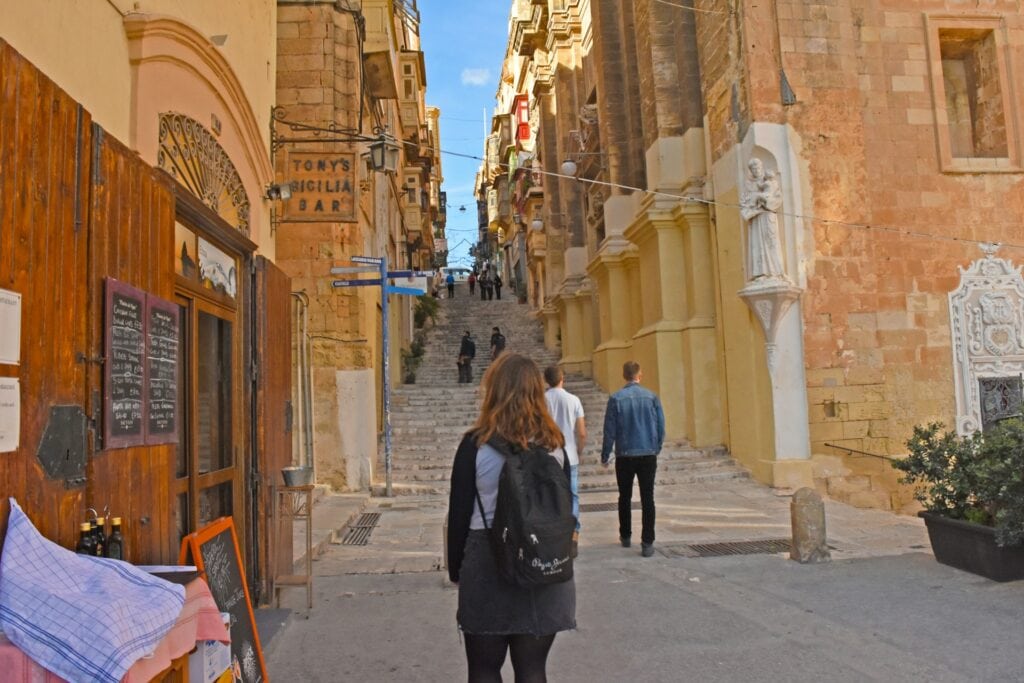
Malta’s ‘Nomad Residence Permit’ stands out as one of the best digital nomad visas in the EU.
The island has a thriving community of remote workers, and it offers near-perfect weather, a low cost of living, and stunning landscapes.
I could easily see myself living in Malta!
The visa is easy to get, and the minimum yearly salary is reasonable. It’s also available to both people employed by a foreign company and self-employed with clients outside of Malta.
Application Cost – €300 ($332 US)
Visa Length – 1 year
Income Requirement – €32,400 ($36,000 US) per year
Where To Apply – Apply online
15. Montenegro – Digital Nomad Visa
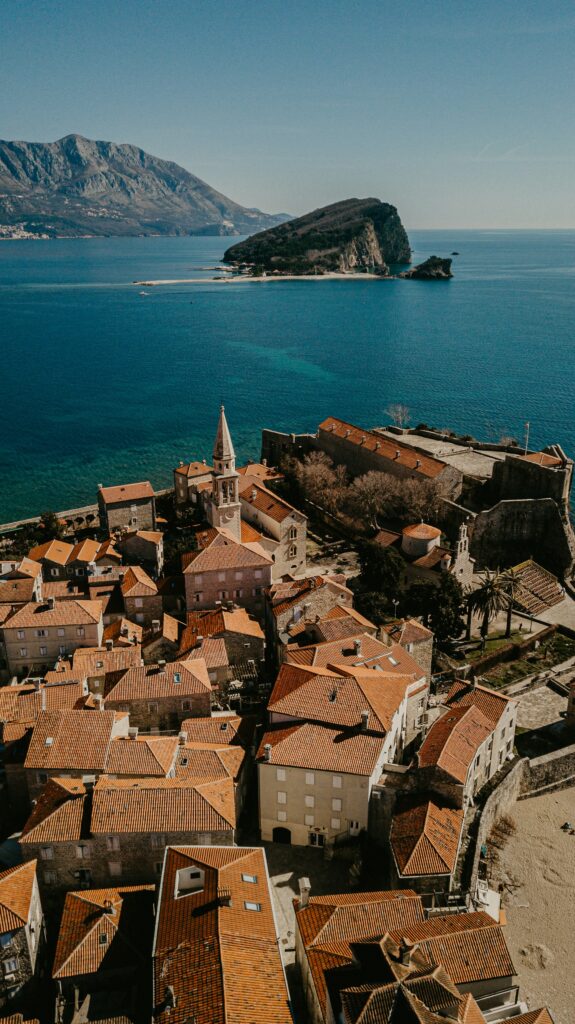
Tucked away in the Mediterranean, Montenegro is a dream spot for digital nomads.
The country is small but offers endless picturesque towns to choose from, reliable internet, and living costs that won’t break the bank (plus, they use euros!).
Montenegro recently launched a program to attract digital nomads, granting visas to foreigners outside the EU.
This program is still a work in progress, but if your heart is set on living in Montenegro, contact the embassy with your specific case, and they can show you a list of current options.
Application Cost – TBD
Visa Length – TBD
Income Requirement – TBD
Where To Apply – Montenegro Embassy

16. Portugal – Digital Nomad Visa Type D
Portugal has been rapidly growing with tourism and remote work over the past few years to the point where it’s now one of the leading digital nomad hotspots in Europe!
Nomads love it because it’s more affordable than other countries in Western Europe, and there’s a variety of places to settle down.
Some people love living in Lisbon, but there are also many smaller digital nomad communities along the coast and on Portugal’s remote islands.
To qualify for a digital nomad visa in Portugal, you can either work remotely for a foreign company or be your own boss – just ensure you meet the minimum income requirement.
Application Cost – €75 ($83 US)
Visa Length – 1 year
Income Requirement – €3,040 ($3,360 US) per month
Where To Apply – Portugal Embassy
17. Romania – Long-Stay Visa For Other Purposes -D/AS
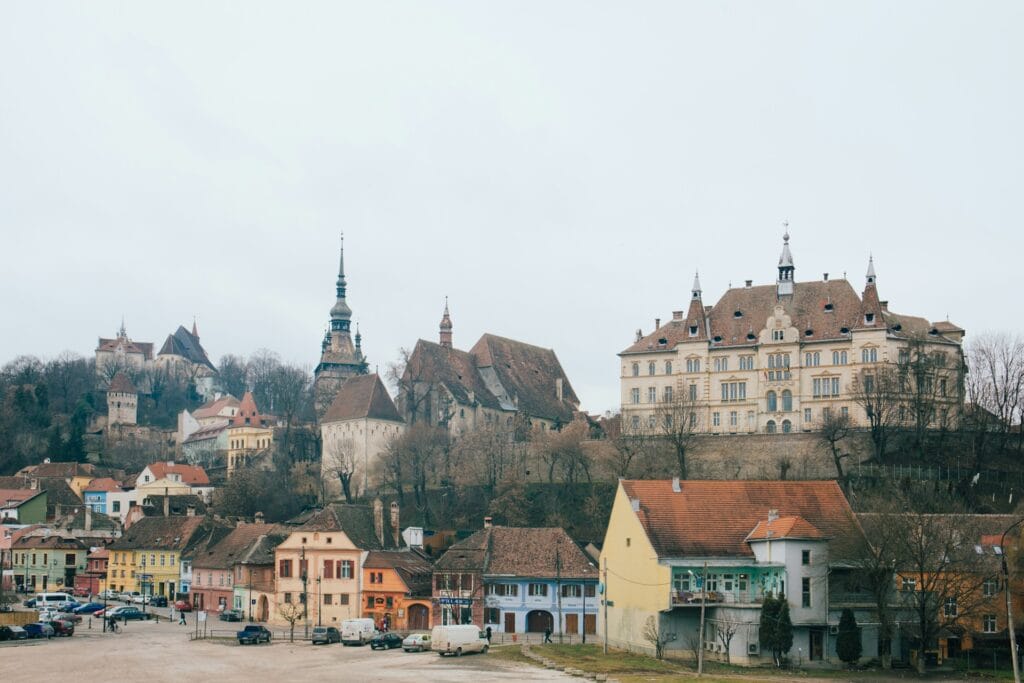
Another budget-friendly EU country on the list, Romania offers a high quality of life, reliable internet, and a wealth of impressive sites to explore.
While Bucharest is the primary digital nomad hub, Cluj Napoca has recently gained popularity among expats looking for a less commercial city with a younger population.
Romania welcomes digital nomads employed in foreign companies and those who are self-employed.
Application Cost – €120 ($133 US)
Visa Length – 1 year
Income Requirement – approx. €3,700 ($4,100 US) per month
Where To Apply – Apply online

18. Serbia – Business Visa
I like to say I lived in Serbia before it was cool! The Baltic country is yet another budget-friendly destination in Eastern Europe that’s become popular among digital nomads.
While there’s no dedicated digital nomad visa, you can secure temporary residence as a freelancer by registering your business in Serbia. I like the freedom of movement, so that’s not really my thing, but it’s a huge perk for those looking for a place to settle down long-term.
Another thing to consider is that the minimum monthly income requirement is relatively high, given Serbia’s overall low cost of living.
Application Cost – per case basis
Visa Length – 1 year
Income Requirement – €3,500 ($3,900 US) per month
Where To Apply – Embassy or Consulate General of the Republic of Serbia
19. Spain – Digital Nomad Visa
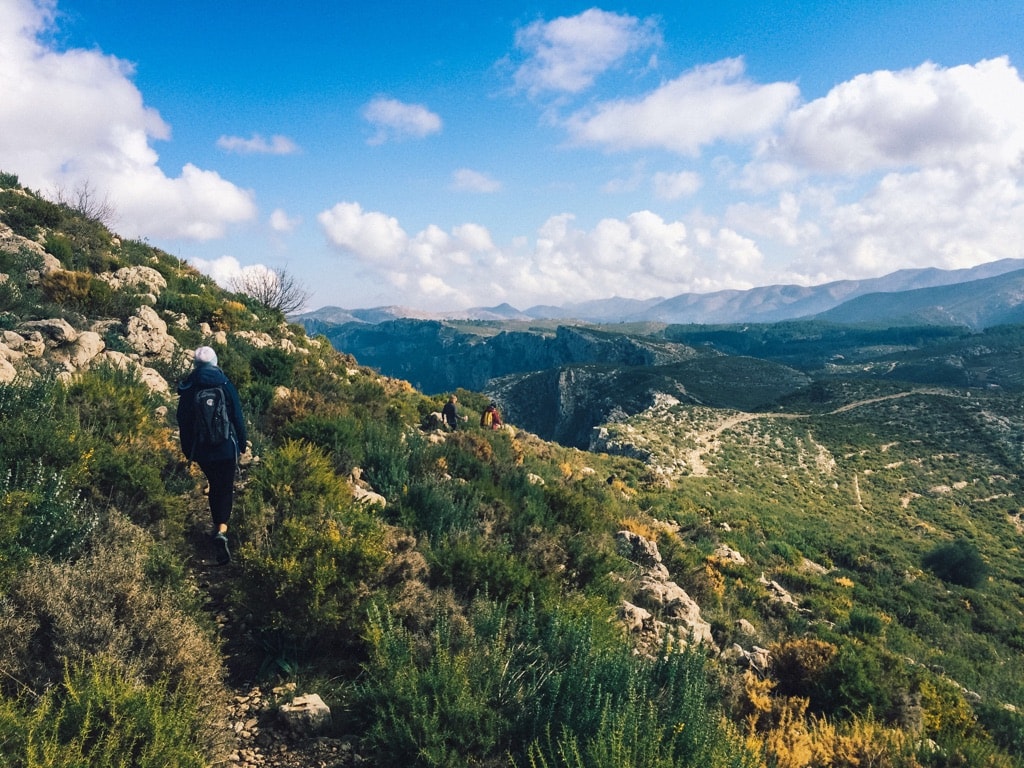
Spain offers diverse landscapes, a thriving expat community, and a well-developed infrastructure.
Larger cities like Barcelona and Madrid have high-speed internet and many co-working spaces catering to digital nomads.
Unlike most European countries with digital nomad visas, Spain even allows freelance digital nomads to work for a local company in Spain. The only caveat is that it can’t exceed 20% of your professional activity.
Application Cost – around €80 ($89 US)
Visa Length – 1 year
Income Requirement – approx. €2,400 ($2,650 US) per month
Where To Apply – Spanish Embassy
Summary: Digital Nomad Visas In Europe
Moving to Europe with a digital nomad visa is easier than ever these days. But there’s no one-size-fits-all European digital nomad visa that unlocks every country.
Each country has its own rules and application process. Some even require you to show proof of employment, but most are okay with people being self-employed as long as they meet the minimum income requirement.
After weighing all the pros and cons, Portugal’s Type D Visa is probably my favorite digital nomad visa. The conditions are reasonable, it has a strong community of remote workers, and living on the coast sounds amazing.
But once Italy gets their visa up and running, I’ll be first in line to apply!
If none of these countries seem like a great fit, consider looking outside Europe. There are 50+ countries with digital nomad visas around the world!
Read More About Living in Europe:
- 14 Pros and Cons of Living in France
- What It’s Like Living in Ireland: An Expat’s Perspective
- 36 Pros and Cons of Living in Germany as a Foreigner
- 44 Pros and Cons of Living in Italy as an Expat
- 33 Pros and Cons of Living in Berlin as an Expat
- 29 Best Places to Live in Europe for Expats
- 35 Pros and Cons of Living in the Czech Republic for Expats
- 29 Pros and Cons of Living in Amsterdam
- 37 Pros and Cons of Living in Turkey as a Foreign Woman
- 21 Pros and Cons of Living in Austria
- 27 Pros and Cons of Living in Sweden in
- 19 Pros and Cons of Living in Switzerland
- 23 Pros and Cons of Living in Denmark
- 15 Living in Serbia Pros and Cons
- 15 Pros and Cons of Living in Madrid
- 33 Living in Portugal Pros and Cons
- Best Things To Do In Sicily: The Ultimate Tour Guide
Living Abroad Travel Planning Guide
🚑 Should I buy expat travel insurance?
100% YES! — With basic coverage averaging just $5-10 USD per day, enjoy peace of mind with a plan from Safety Wing!
🌎 What is the best country to live in as an expat?
It depends – the best country to live in as an expat will depend on your unique needs. I developed this free quiz to help you figure out where is right for you!
📍 How do I pick a country to live abroad?
It depends – picking a country to live in is hard. That’s why I developed this $7 course to share all of the steps I’ve taken when deciding to move to 20+ different countries, and how I handle homesickness when I get there.
Ultimately, making the choice of where to move is going to be hard. But the hardest thing is deciding to move abroad at all!
💼 How do I get a job as an expat?
You can find work abroad via local job boards or temp agencies. My favourite way to work is remotely, so I always look for jobs on FlexJobs.com when I live abroad. They hire for 100% remote roles only.
If you’re looking to teach English abroad, Premier TEFL has the best online course to get you great work!
💰 How do I open a bank account abroad?
Wise.com offers free global accounts, and the cheapest money transfers. Since it can be a headache to open bank accounts in different countries (it took me 2 months in the UK!), Wise.com is a great solution.
I actually use it as my primary bank now worldwide due to the multi-currency debit card. (Read more)
👯♀️ How do you make friends abroad?
Meetup.com – Meet likeminded people who share a similar hobby with Meetup! It’s free to join, but some activities may cost money, like if you go to a cafe and get a coffee.
🙀 I don’t speak the language. Can I still live abroad?
Learn languages in no time with iTalki! Moving abroad is an opportunity to learn the language. You don’t need to know it before you leave home.
💻 Do I need a VPN?
Yes! – VPNs allow you to access more of the internet. From US Netflix in the UK to social media sites banned in Asia. It’s a really helpful and cheap thing to ensure your online activities aren’t restricted.
🧳 What’s the best luggage for living abroad?
This is my favourite luggage set for long term travel. You can read more about my review of types of suitcases for travel here.
🏡 How do I tell my friends and family I want to live abroad?
Take this $7 course and learn the exact script I used to tell my family I was moving abroad … and then when I did it again. I even include tips for prepping your family, and for how to handle family who aren’t supportive.
✈️ What’s the best site to buy cheap flights?
To find cheap flights, I recommend Skyscanner. (Read more)
🏨 What’s the best site to find cheap hotels?
To find cheap hotels, I recommend Booking.com. (Read more)
Or stay for free with Trusted Housesitters!
🚗 What’s the best site to rent cars abroad?
To find cheap rental cars, I recommend Discover Cars.
🚗 What’s the best site to find tours?
To find epic tours, I recommend Viator.