Nina Out and About contains affiliate links and is a member of the Amazon Services LLC Associates Program. If you make a purchase using one of these Amazon links, I may receive compensation at no extra cost to you. See my Disclosure Policy for more information.
Are there crocodiles in New Zealand? & Dangerous Animals
If you’re headed to New Zealand, you might be wondering “are there crocodiles in New Zealand?” or “what are the most dangerous animals in New Zealand?”
The answer is no. While it’s true that the native New Zealand herpetofauna (reptiles and amphibians) includes several species of skink, gecko, and tuatara, there are no crocodiles in New Zealand!
This may come as a surprise to some, since crocodiles exist in nearby Australia.
In fact, when I moved to New Zealand, my sister told me “watch out for the sharks, crocodiles and snakes!
… Yeah the latter two don’t exist in the Kiwi paradise.
Let’s talk more about what animals you do and don’t have to worry about in New Zealand!

Does New Zealand have crocodiles or alligators?
No, New Zealand doesn’t have any crocodiles or alligators. Although its nearby neighbour, Australia, has crocodiles, you won’t find crocs in New Zealand – apart from the shoes!
Do saltwater crocs live in New Zealand?
No, there are no saltwater crocodiles in New Zealand.
In fact, there aren’t even freshwater crocodiles. So, you don’t have to worry about crocs on your holiday – just the usual sharks and jellyfish! And to be honest, even they are pretty rare from my experience in the country.
15 Dangerous Animals in New Zealand
As New Zealand doesn’t have crocs, you probably won’t come across too many dangerous animals in the wild.

Are there sharks in New Zealand?
Yes, there are sharks in New Zealand. New Zealand is home to a number of species of sharks including Tiger Sharks, Smalltooth Sand Tiger Sharks, Blue Sharks, Copper Sharks, Shortfin Mako Sharks, Blackberry Lantern Shark, Kitefin Shark, Oceanic Whitetip Shark, and Great White Sharks.
Most of these species are not a threat to humans, with the exception of Great White and Tiger sharks.
1. Tiger Sharks and Great White Sharks
Great white sharks are one of the most deadly sharks for humans. Although they are more common in Australia, New Zealand does have them too.
There have been shark attacks and even deaths in New Zealand due to these predators. In 2021, a 19-year-old was bitten by a great white shark in Waihi Beach and died.
Luckily these instances are few and far between, with only 16 attacks between 2013 and 2021.
Tiger sharks are another predatory and territorial species in the New Zealand waters. They are one of the most dangerous species of shark in the world.
Encounters are sparse, as these sharks enjoy tropical waters more so. The last recorded fatality by tiger shark in New Zealand was in 2018.
Be careful when surfing or swimming in New Zealand! Stay close to shore, near areas with dolphins (as sharks avoid them), and swim in clear waters.
If you are surfing, check out the local shark reports before diving in. And always have a surf buddy.
2. Katipo Spider
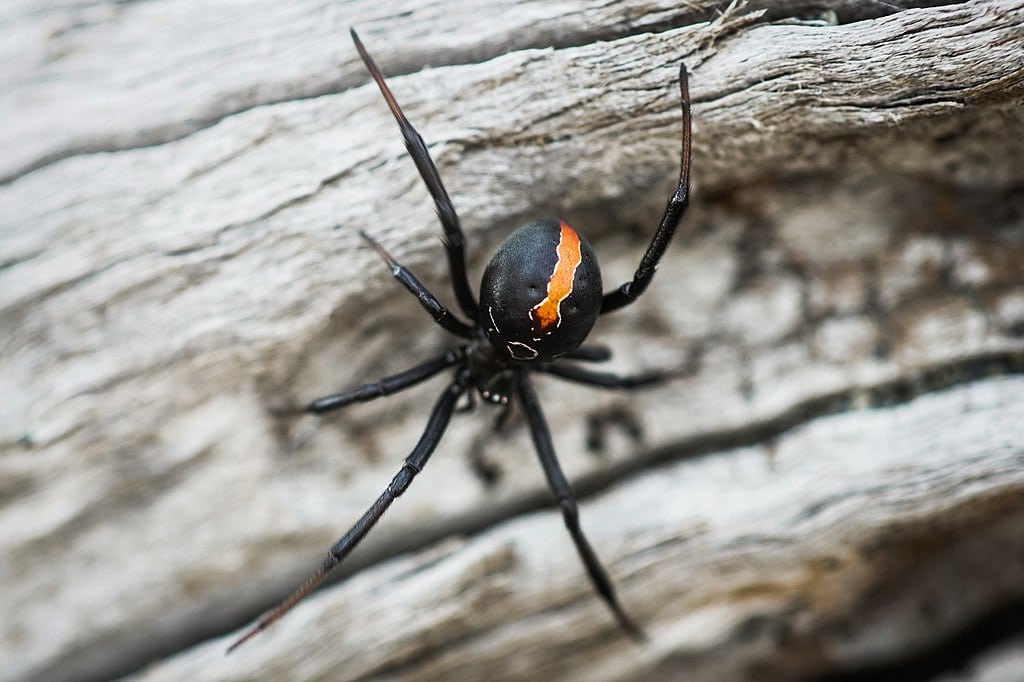
The Katipo Spider is probably the most “dangerous” land animal in New Zealand. I put that in quotes because people really fear them, although they haven’t killed anyone in over a century!
Unlike Australia, there aren’t a plethora of spiders looking to kill you or take up half the wall in your shower. But the Katipo are one of the few in New Zealand.
These creepy little spiders are one of the 2 venomous spiders in New Zealand.
They are black spides with a red stripe, about the size of a pea. They are found in sand dunes, but are rarely seen.
No deaths have been reported since 1901.
Bites seem to be such a non-event that I couldn’t find any bite report data anywhere online.

3. White-Tailed Spider
These residential spiders are more common than the katipo, but they are less risky. If you are bitten, you will likely have swelling but it subsides. It’s about as bad as someone who is allergic to general spider bites and gets a lump.
Unlike the katipo, you won’t need to rush to the hospital for treatment and anti-venom.
These white-tailed spiders only bite if threatened.
Either way, it’s something I recommend avoiding!
4. Redback Spider
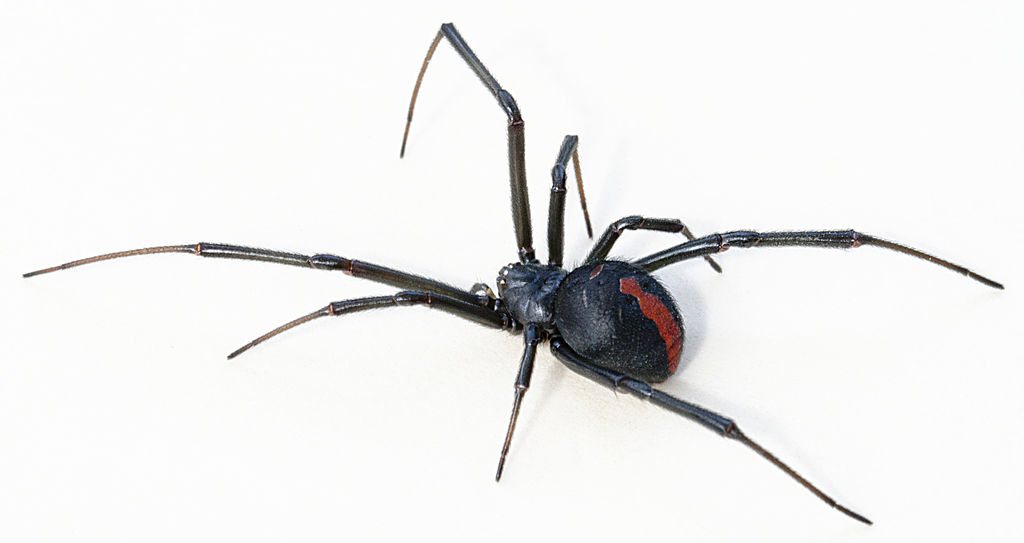
These Australian spiders were accidentally brought over to New Zealand in the 1980s.
They’re extremely rare – almost nonexistent really.
But they are the second of the venomous spiders you should know about.
They are brown with a red stripe – kind of like a Katipo (so if you see a red-striped spider, run!).
Most Kiwis refer to the redback as the only dangerous spider in the country, and often refer to it as extinct from how rare the sightings are.
You need to get anti-venom if you’re bitten by one of these. I couldn’t find any instances of death in New Zealand, but there have been some in the early 1900s before the anti-venom was developed.
5. Portuguese Man O’ War Jellyfish
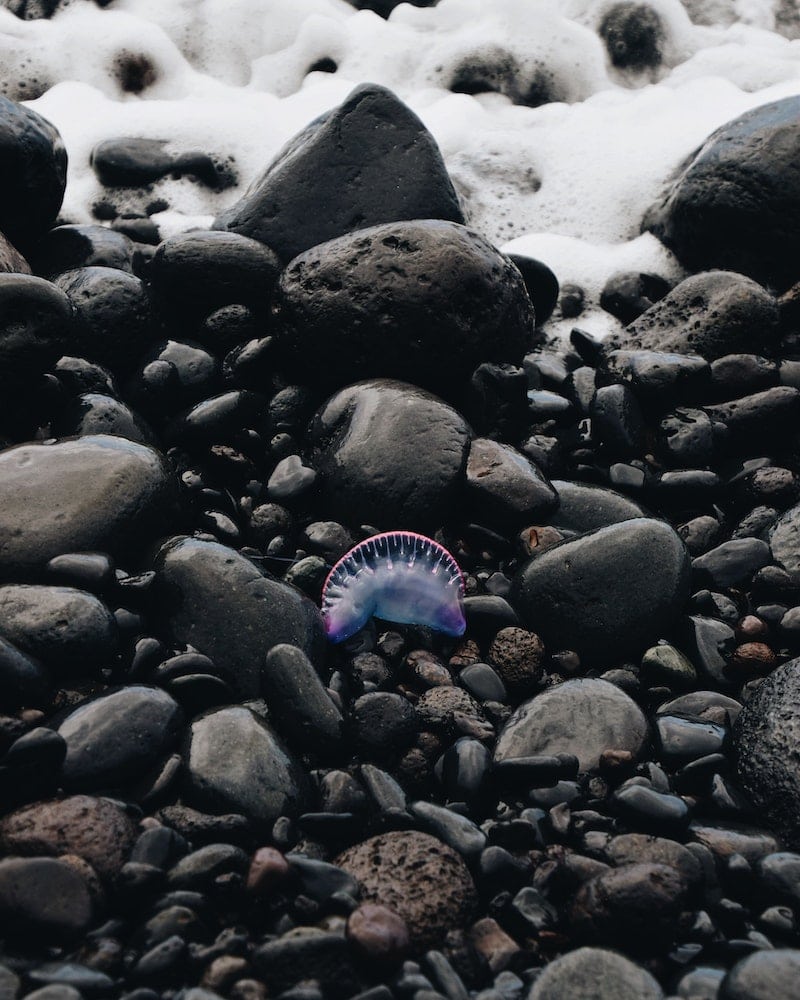
Also known as the Bluebottle Jellyfish, these animals are dangerous and potentially very painful.
Ok, so they’re not jellyfish technically. They’re actually marine hydrozoans typically found in the Pacific Ocean.
They aren’t deadly, but the sting is considering one of the most painful for humans.
The Man O’ War is kind of weird looking. It has a half-seethrough top with a blue underside, then long tendrils that can extend over 165 ft! (But 30ft is more average).
They are covered in “venom-filled nematocysts” that are meant to paralyze and kill small fish. It doesn’t kill humans, but it hurts terribly!
If a tendril touches you, you’ll feel immediate burning pain and redness. Over time, white lesions will appear. In severe cases, welts and blisters will appear along the area. The pain is what can be deadly, even causing heart attacks and anaphylactic shock.
Unfortunately, these animals are almost invisible in the water. It’s almost impossible to avoid them if they’re in the area. You won’t see them before you feel them.
They are most often spotted in summer. If you see them on the beach, leave them alone as the toxin can still sting you long after they’re dead.
6. Sandflies
Sandflies were the bane of my existence when I lived in New Zealand.
New Zealand has some mosquitos but they’re not a massive issue.
However, they do have these tiny buggers that bite even worse!
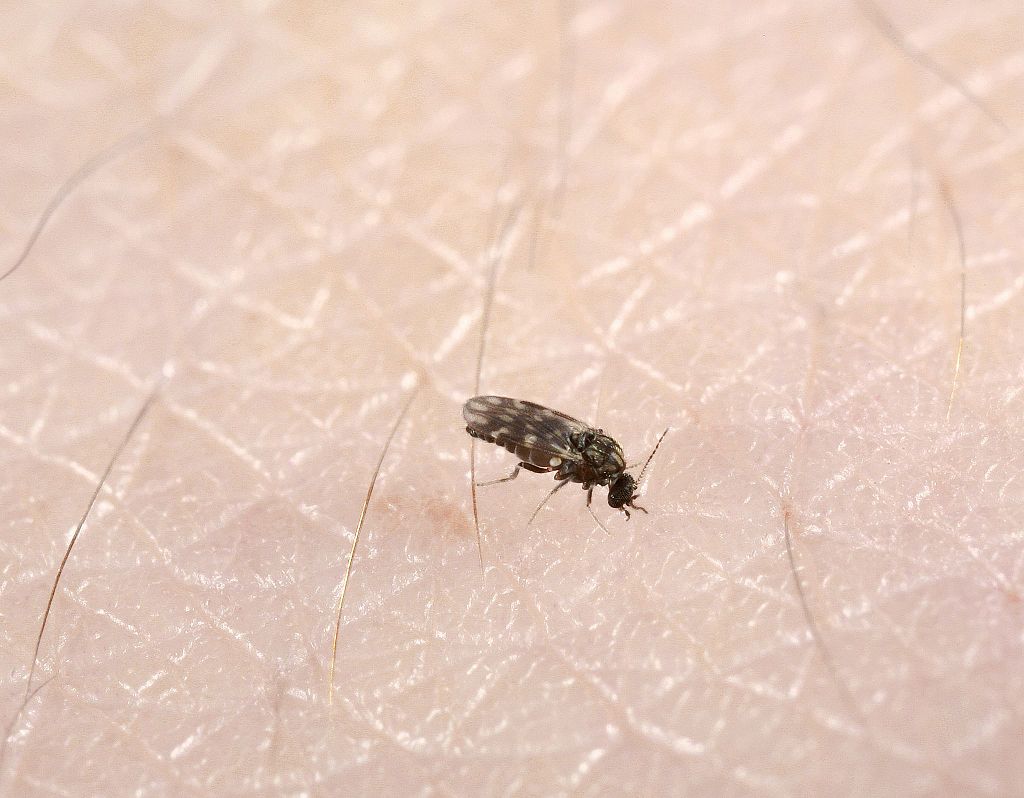
There are 19 species of sandflies but only 3 that bite: the New Zealand blackfly (North Island and coastal South Island), the West Coast Blackfly (South Island’s west coast), A. tillyardianum (both islands, but rarer).
They’re all about 2-3mm in length and look kind of like fruit flies.
Unfortunately, their bite can cause a ridiculously bad reaction in many people. I would get welts the size of baseballs when I got bitten and had to get a prescription for special antihistamine ointment to help.
Most people get big reactions since sandflies don’t bite like mosquitoes: they actually bite with a razor-sharp mouth and then lap up the blood. Their saliva contains properties that prevent clotting.
And they swarm – the highest reported bite rate is 1000 times an hour!
Only female sandflies bite, so unfortunately this is the one case where I am definitely not a feminist.
Avoid running water like Milford Sound to evade these disasters.
But oddly, I got bitten more in downtown Auckland than I did in other areas of the country.
Winter may suck for other reasons, but thankfully it’s free of sandflies!

7. Kea
I have to confess, Kea are my favourite birds on the planet. But they’re also dangerous little demons.
Kea are the world’s only alpine parrots. They’re native to New Zealand, and you can find them in some areas of the South Island – especially near Arthur’s Pass National Park.
They are an iconic mountain bird with bright green feathers and a cheeky personality that they use to their advantage.
They’ve been known to steal food from unsuspecting campers and even strip the rubber off of cars!
They are incredibly intelligent birds that have been observed using tools, problem-solving, and keep a very complex social structure.
But they can also be dangerous – especially to small animals like sheep. They’ve been known to attack newborn lambs for their meat or even just for fun.
They also have a tendency to attack humans, particularly those who are feeding them or seem to be inviting them closer.
For that reason, it’s important to keep your distance if you see a Kea nearby!
And lock your car doors – I saw one break into a tour bus when I was on my way to Milford Sound.
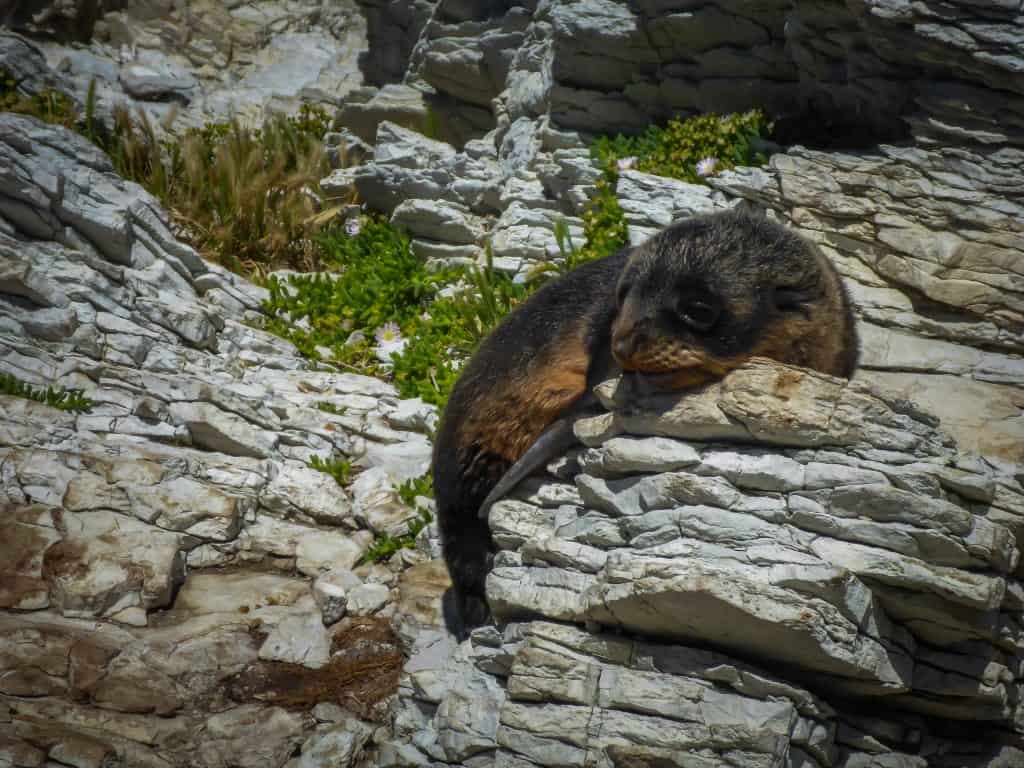
8. Seals and Sea Lions
Like anywhere in the world, these dogs of the sea aren’t as cute as they look.
Both seals and New Zealand sea lions are very dangerous. They have massive teeth and powerful jaws that can cause a lot of damage. They’re also very territorial and will bite when scared, so avoid waters with them swimming.
Stay far away from pups especially, as territorial mothers will attack to protect their cubs.
I encountered a baby seal when I was swimming with dolphins in Kaikoura, but thankfully the dolphins shooed it away from us so we were safe. But I have heard the stories of attacks and definitely would have wet my wetsuit if the dolphins hadn’t gotten it out of my face!
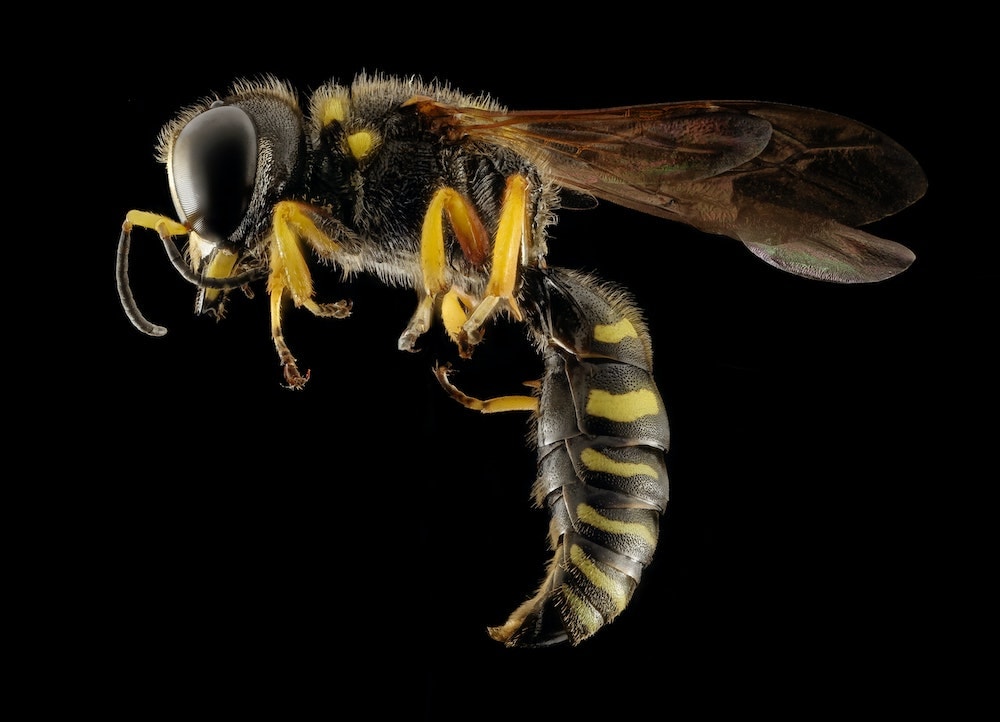
9. Wasps and Bees
Unfortunately, New Zealand is home to three species of wasps and two species of bees – and they’re all very aggressive.
The German Wasps are the worst offenders, with large nests in the ground that can contain up to 10,000 individuals. They will swarm and attack if provoked.
Bees aren’t as bad but still can be dangerous. The introduced European Honeybee is the most common but can still cause severe reactions in those allergic to their venom.
The best way to avoid getting stung is to make sure you don’t disturb any nests and wear light-coloured clothing that doesn’t attract bees and wasps.
If you are unlucky enough to get stung, make sure to seek medical attention if needed and avoid the area for a while.
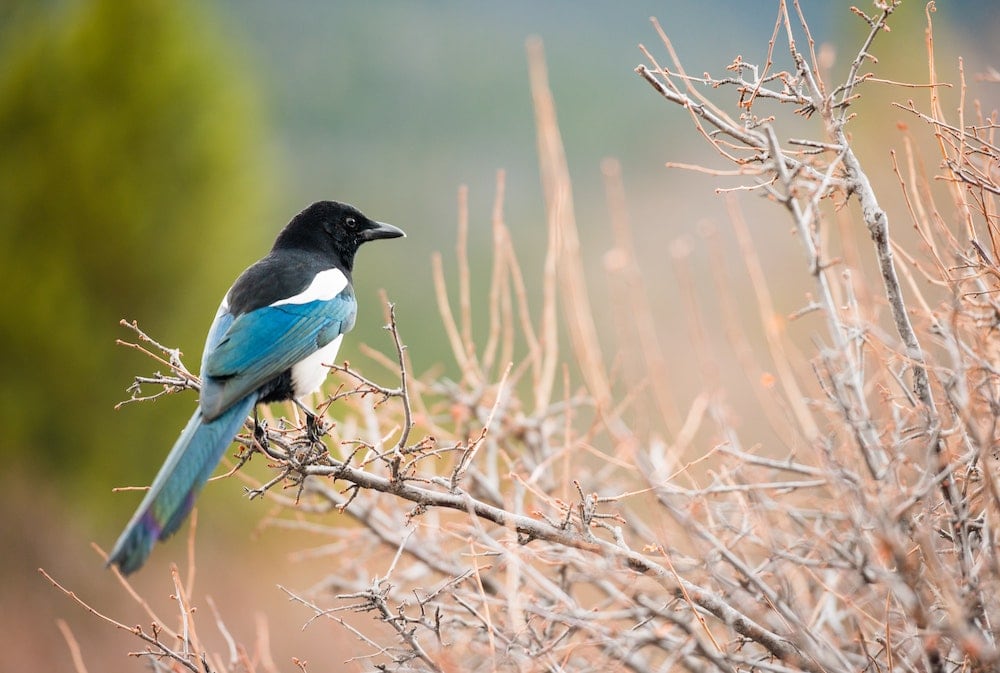
10. Magpies
Magpies are kind of the dicks of the bird world.
They tend to be very territorial and will attack anything that gets too close – including humans!
This is especially true during the breeding season, when they will swoop anyone who comes near their nest.
The best way to avoid getting attacked is to wear a hat or carry an umbrella when walking in areas where magpies are present. And if you see a magpie coming at you, don’t panic – just walk calmly away and it should fly off.
There are literal social media accounts dedicated to magpies in neighbourhoods swooping to attack people who walk past “their” tree. It’s especially common in the UK.
Although magpies aren’t as populous as in the UK, it’s still best to steer clear when possible.
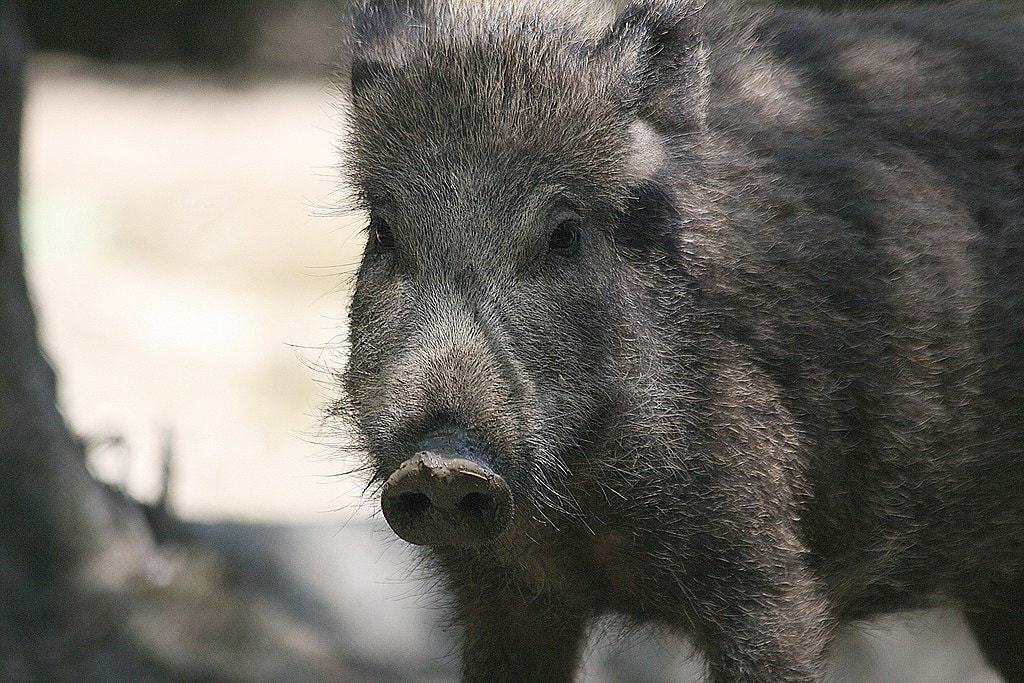
11. Wild Boars
New Zealand has no native land mammals. But boars were introduced for wild game hunting centuries ago.
Now they aren’t found everywhere, but in certain forests and mountain ranges, they are quite populous.
They can be dangerous when startled or protecting their young, as they have long tusks which can seriously injure humans.
It’s best to avoid them and never try to get too close, no matter how cute and cuddly they look from a distance!
Even when I visited Parc Omega in Canada, we were told to avoid the boars and not feed them because they were prone to attack.
So if you happen to come across one in the wild, it’s best to stay back and watch from afar.
12. Grey Side Gilled Sea Slugs
I had never heard of a slug being deadly before New Zealand, but I mean there’s gotta be one right!
These slugs found in New Zealand and Australia are extremely toxic to humans and dogs, especially. If you ate one, the neurotoxin in them called TTX can cause paralysis and breathing difficulties. If enough are consumed, you can die.
Children and dogs are the most common culprits of accidentally eating one of these slugs. It’s rare, but every now and then reports of sick dogs from these slugs are reported.
There’s no cure for the toxin, so keep your dog on leads at the beach if they tend to eat things they find!
13. Mosquitoes
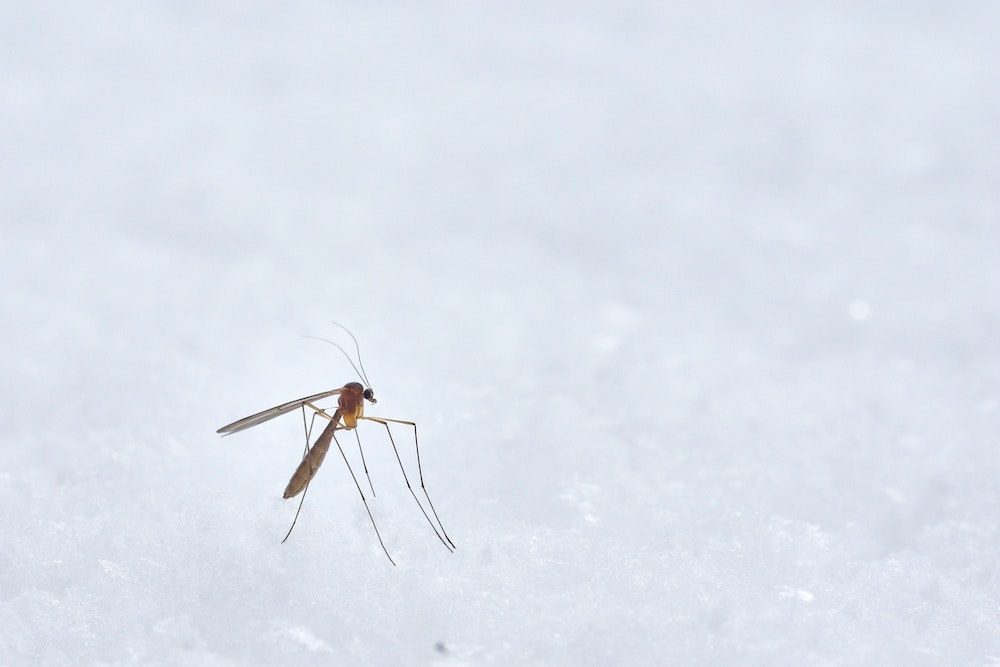
Mosquitoes are uncommon in New Zealand. There are 19 species but they’re not nearly as much of an issue as they are in North America. In fact, 13 only bite birds!
However, if you’re in the backcountry it’s a good idea to wear mosquito repellent and long-sleeved clothing as there can be areas with more mosquitoes than usual.
Some species of mosquitoes can also spread viruses like Ross River Virus and Barmah Forest Virus, so it pays to take precautions when outdoors.
The government tries to prevent the entrance of exotic mosquitoes because they can prove deadly to local wildlife and bring deadly diseases.

14. Possums
Possums aren’t dangerous for people, but they are dangerous for native New Zealand wildlife.
They were introduced in the 1800s for game hunting and have since become an invasive species. They are known to carry bovid tuberculosis, which is deadly to birds, livestock, and deer.
Possums also eat native plants and animals, further endangering them. The government has tried various methods of controlling the population, such as trapping and introducing natural predators, but they’ve been largely unsuccessful.
If you do come across a possum, it’s best to leave it alone and contact authorities if necessary.
And keep your distance – possums may look cute but they can bite!
15. Are there snakes in New Zealand?
No, there are no native snakes in New Zealand! The closest snake-like creature is the Tuatara, which is a lizard with a short tail.
Like Hawaii and Ireland, this makes it an epic spot for a snake-phobic like me to live!
However, sea snakes can be found offshore and New Zealand has a strict biosecurity system to keep out any unwanted species.
Luckily, they aren’t very common and thankfully I never spotted a single one during my year in New Zealand.
I did spot the eels which are gross looking, but not nearly as terrifying as seeing a sea snake would be for me.
What is the largest predator in New Zealand?
The largest water predator in New Zealand is the great white shark. It can grow up to 6 meters long and can weigh over 2,000kg. They are found mainly in the southern regions of New Zealand and are known to frequent beaches during the summer months.
New Zealand’s largest native land predator is the Kiore, also known as the Polynesian Rat. It was introduced by Maori settlers hundreds of years ago and has since become New Zealand’s top land-based mammal predating on many birds such as kiwi and small reptiles.
Kiore are usually nocturnal but can sometimes be seen in the daytime. They prefer to live close to human settlements as they are not able to hunt large animals like deer or pigs.
The Department of Conservation currently has a program to reduce the population of these predators.
Conclusion: Crocs & Other Dangerous Animals in New Zealand
New Zealand is a relatively safe place, with no plethora of dangerous animals native to the island as there are in Australia.
However, that doesn’t mean there aren’t risks – slugs and mosquitoes can both be carriers of diseases, and possums are known to cause significant damage to native flora and fauna. Keep an eye out for these creatures when you’re in New Zealand, so you can enjoy your trip without running into any unexpected surprises.
Don’t let these animals hamper your enjoyment of time in New Zealand. I lived there for a year, toured the country, went skydiving, and even swam with wild dolphins, and I never spotted anything but sandflies. And after an ointment, I was fine!
So don’t fret – instead, get ready for an epic adventure in New Zealand.
Living Abroad Travel Planning Guide
🚑 Should I buy expat travel insurance?
100% YES! — With basic coverage averaging just $5-10 USD per day, enjoy peace of mind with a plan from Safety Wing!
🌎 What is the best country to live in as an expat?
It depends – the best country to live in as an expat will depend on your unique needs. I developed this free quiz to help you figure out where is right for you!
📍 How do I pick a country to live abroad?
It depends – picking a country to live in is hard. That’s why I developed this $7 course to share all of the steps I’ve taken when deciding to move to 20+ different countries, and how I handle homesickness when I get there.
Ultimately, making the choice of where to move is going to be hard. But the hardest thing is deciding to move abroad at all!
💼 How do I get a job as an expat?
You can find work abroad via local job boards or temp agencies. My favourite way to work is remotely, so I always look for jobs on FlexJobs.com when I live abroad. They hire for 100% remote roles only.
If you’re looking to teach English abroad, Premier TEFL has the best online course to get you great work!
💰 How do I open a bank account abroad?
Wise.com offers free global accounts, and the cheapest money transfers. Since it can be a headache to open bank accounts in different countries (it took me 2 months in the UK!), Wise.com is a great solution.
I actually use it as my primary bank now worldwide due to the multi-currency debit card. (Read more)
👯♀️ How do you make friends abroad?
Meetup.com – Meet likeminded people who share a similar hobby with Meetup! It’s free to join, but some activities may cost money, like if you go to a cafe and get a coffee.
🙀 I don’t speak the language. Can I still live abroad?
Learn languages in no time with iTalki! Moving abroad is an opportunity to learn the language. You don’t need to know it before you leave home.
💻 Do I need a VPN?
Yes! – VPNs allow you to access more of the internet. From US Netflix in the UK to social media sites banned in Asia. It’s a really helpful and cheap thing to ensure your online activities aren’t restricted.
🧳 What’s the best luggage for living abroad?
This is my favourite luggage set for long term travel. You can read more about my review of types of suitcases for travel here.
🏡 How do I tell my friends and family I want to live abroad?
Take this $7 course and learn the exact script I used to tell my family I was moving abroad … and then when I did it again. I even include tips for prepping your family, and for how to handle family who aren’t supportive.
✈️ What’s the best site to buy cheap flights?
To find cheap flights, I recommend Skyscanner. (Read more)
🏨 What’s the best site to find cheap hotels?
To find cheap hotels, I recommend Booking.com. (Read more)
Or stay for free with Trusted Housesitters!
🚗 What’s the best site to rent cars abroad?
To find cheap rental cars, I recommend Discover Cars.
🚗 What’s the best site to find tours?
To find epic tours, I recommend Viator.