Nina Out and About contains affiliate links and is a member of the Amazon Services LLC Associates Program. If you make a purchase using one of these Amazon links, I may receive compensation at no extra cost to you. See my Disclosure Policy for more information.
23 Pros and Cons of Living in France in 2024
Living in France was always a dream of mine. I saw only positive things about France. And while it is a fantastic place to live, there are both pros and cons to living in France.
The first time I moved to France was in 2012 on a work visa.
I imagined devouring fresh croissants every morning, touring world-renowned museums on the weekends, and indulging in wine and cheese in the evenings.
In the beginning, I struggled with the language and navigating the bureaucracy. It was challenging, but after 2 years, France captured my heart. I knew that one day, I wanted to call France my home.
I left for 3.5 years and returned on a spousal visa at the start of 2020. The second time around was much easier. I knew the cons of moving to France and what to expect, and my answer to people asking me, “Is France a good place to live?” is always a resounding yes.
Now, I want to share with you what I’ve learned. Below is a detailed list of the 14 pros and cons of living in France.
When you’re ready to visit France, find the cheapest flights with this tool.
Pros of Living in France
1. Excellent Health Care
One of the best things about living in France is the healthcare.
In general, France provides universal coverage for all residents, regardless of income. And, unlike the US, if you have a preexisting condition, you aren’t turned away.
There are private insurance companies, but government-funded agencies cover 75%-100%. This includes everything from doctors’ visits to dental treatment and prescriptions.
So, how does it work?
Before qualifying, you must be living in France for at least 3 months. After which you can register at your local CPAM (caisse primaire assurance maladie).
Once approved, you will be given a French health card called carte vitale. It contains all the information needed to reimburse your healthcare costs.
When you see your primary care doctor or fill a prescription, you pay a small fee, which is then reimbursed. As an example, a doctor’s visit costs, on average, 23€, but 75%-100% is reimbursed, making the overall cost 0-6€.
👉 Find out how much it costs to protect your trip today with Safety Wing travel insurance.

2. Good Work-Life Balance
The French work to live and don’t live to work, and they have an outstanding work-life balance.
The French work so they can spend time with their families and enjoy their time off. And, even though the standard workweek is only 35 hours, the French are not lazy. The standard workweek was created to ensure employees are compensated fairly when they work overtime.
Coming from the US, this concept was new to me. Before moving to France, overtime without compensation was always expected.
The French way of life is one I’ve grown to enjoy and appreciate
3. It’s Affordable to Live in France
The cost of living in France can be a pro or con, depending on where you live.
If you choose to live in Paris next to the Eiffel Tower, then you will have a hard time paying the rent every month.
But, if you are willing to live elsewhere, even in a cheaper district of Paris, France, it is more than affordable.
Compared to the US, education, healthcare, and transportation are significantly cheaper. Education and healthcare are available to everyone and paid for by taxes, making the out-of-pocket cost nearly zero.
This means that the French are not swarming in debt from student loans or surgeries.
Then, if you use public transportation, your employer is required to reimburse 50%. This not only incentivizes the use of public transport but also reduces your monthly expenses.

4. Diverse Landscapes
When it comes to diversity in landscapes, France has it all.
In one country, you have some of the best ski slopes in Europe, beautiful beaches, and valleys full of lavender.
Then, of course, you have the capital of France. There are so many things to do in Paris, you could spend a lifetime wandering the streets.
And to top it off, everything is within an arm’s reach. In less than 6 hours, you can travel from the Vosges mountains in the East to the Atlantic Ocean on the West Coast. You’ll never run out of epic France road trips.
One thing is for sure – with this amount of diversity, you will never be bored!
5. Delicious Food and Wine
From rich buttery croissants to legendary wines and cheeses, France is second to none regarding food!
Also, to ensure the quality of their food, they have strict protocols in place. They even use stickers (appellation d’origine contrôlée (AOC)) to label the highest-quality products.
Grocery shopping in France is quite an experience.
Markets and grocery stores are filled with such gorgeous produce, and it’s easy to see why the food is so delicious. It makes mealtimes an enjoyable moment rather than a chore.
You’re also so close to the places that produce world-famous cuisine. Just take a weekend trip to Champagne – one of the places France is famous for – to stock up on the best bubbles around.
6. Job Security
If there is one benefit to working in France, it’s the labor laws. All employees are hired under a contract that guarantees the worker’s rights.
In general, there are 2 types of contracts, a permanent contract (contrat à durée indéterminée or CDI) and a fixed term contract (contrat à durée déterminée or CDD). There are advantages and disadvantages of each, but either way, they always favor the worker. And as long as the company exists, getting laid off or fired is very difficult.
This was something that took me some time to understand because, in the US, such contracts don’t exist. It was a relief to know I had rights, my job was secure, and my vacation days guaranteed.
It’s definitely one of the biggest pros of living in France.

7. Rich in History and Culture
France is a country full of history, art, and culture.
From the Louvre’s iconic Mona Lisa to the beaches of Normandy, France has played a significant role in the history of Europe. They’ve also influenced art and fashion for centuries and continue to be a leader.
And no matter where you are in France, escaping the rich history is impossible.
Buildings with historical significance are never torn down. And a lot of effort goes into their restoration.
In cities like Strasbourg and Paris, it’s not uncommon to find sleek modern buildings next to houses from the 17th century!
8. Great Public Transportation
France’s public transportation system is extremely efficient and accessible. This won’t be much of a change for Europeans, but people moving from Canada or the US might be surprised at how easy it is to get around without a car.
Whether navigating the extensive Metro System in Paris, boarding a tram in Bordeaux, or catching a high-speed TGV train to another part of the country, you never really NEED a car in France.
Not only does this support a greener lifestyle, but it eases the cost of relocating to France since you won’t have to buy a vehicle right away!
9. Affordable Education
Another of the best parts of living in France is the easy access to higher education.
The universities in France have very low tuition fees and high-quality programs, making it a very attractive destination for international students. Public universities, in particular, offer a range of courses at a fraction of the cost compared to other countries.
Primary schools are also highly regarded, making families with children feel much better about relocating to France.
The French are serious about quality education but emphasize critical thinking and creativity as much as meeting test scores, leading students to become well-rounded individuals.
10. France is Centrally Located in Europe
Perhaps one of the best parts of living in France for travelers is the chance to be at the heart of Europe.
Numerous European countries and cities are just a train ride or short flight away, making weekend getaways to places like Italy, Spain, Germany, and Switzerland a breeze.
That said, you can find cheap flights for less than €50 all over Europe.
It’s easy to jet off to Greece to escape the cold winters or take a ski trip in the Austrian Alps. Even places that seem worlds away, such as Morocco or Turkey, are easy to get to from France.
On a similar note, Paris is a hub for world travel. So, it’s one of the most affordable places to find flights to/from North America!
11. Paid Holidays
We already talked about how important a work-life balance is in France. They really push back against the American hustle culture. It’s important for the French to relax, pursue hobbies, and spend quality time with loved ones.
This is also reflected in their generous paid holiday policies.
The standard for paid vacation days is 25, but some positions offer more than 40! (That’s WAY better than the 14 many people get living in Canada). I never had more than 10 vacation days before moving to France.
On top of that, there are 11 (13 in some departments) public holidays!
12. Variety of Places to Live
France is a massive country, meaning there is a huge variety of places to call home.
Of course, some people move to France because they love Paris, but you could also settle down in the laid-back Riviera, a beach town near Marseille, or a rustic village in the countryside.
Some of the best small cities to live in France are Eguisheim, Colmar, Conques En Rouergue, or Villefranche-sur-Mer!
These dynamic small cities mean that even if you aren’t a city person, there are still quite a few awesome places to live, depending on your lifestyle.
Cons of Living in France
1. Paperwork
France has a reputation for being very bureaucratic. It’s not uncommon to spend a lot of time figuring out what you need to do for very simple tasks, like registering a new address. And, if you don’t speak French, it’s much worse.
Some websites (from the government) state the forms you need, but that doesn’t matter. It depends entirely on the person handling your file and whether they are in a good mood.
And, once you’ve managed to submit everything, you will wait an eternity for an answer.
To give you an idea, it took me over 2 years to exchange my driver’s license. The person handling my file changed their mind at every appointment. It took 10 interviews for my application to be accepted.
For comparison, when I lived in Switzerland, it took me 15 minutes to turn in the paperwork. And my Swiss driving license was in my mailbox the next morning.

2. Visa Renewals are a Nightmare
This one goes along with the French bureaucracy above. But deserves its own section because it’s so frustrating.
Of all the things you will need to do as an expat in France, none is worse than renewing your visa. I’ve been through 4 renewals, and each one was more painful than the last.
Roughly 6 months before your visa expires, you need to start the renewal process. It’s the same procedure for every visa, whether it’s a student visa or a long-stay visa. And by the time you receive your new visa, which is usually 3 months late, you need to restart the process.
All in all, for each renewal, you won’t have a visa for 3-6 months, which means you can’t leave the country.
In one instance, I had a job offer in the UK and needed to leave France to sign the contract. Despite submitting everything 6 months early, the French administration was 4 months late.
They told me my only option was to give up the position, luckily the company hiring me was more flexible.
3. High Taxes
There are A LOT of taxes in France. It even has a permanent standing on the list of top ten countries with the highest taxes.
To date, the income tax in France is at 46%. But that’s not the only tax. There’s also a housing tax, a TV tax, and a surcharge on salaries that are too high. In fact, there are so many layers it would take a lifetime to understand exactly how it all works.
While it might seem like you are always paying taxes, there are also a lot of benefits. The taxes in France cover things like healthcare, unemployment, education, and transportation. It’s somehow both a pro and a con of moving to France.

4. The Language Barrier Can be Difficult
Most countries in Europe now speak English, but France is not one of them. So, if you decide to move to France, you will have to learn French.
Once you bite the bullet and start learning, you will discover all the benefits. Making friends, finding a job, seeing a doctor, and dealing with the bureaucracy will be easier. There are plenty of affordable classes, both in-person and online.
And, if you have a long-stay visa, free courses are offered by the government.
When I first arrived in France, I didn’t speak a word of French, and it was difficult. But once I learned French, I saw all the benefits listed above, and my life became much easier.
Need help learning a new language? I recommend iTalki! I’ve tried ALL the apps, but iTalki is the only way I’ve managed to learn as much as living in the local country.
5. Jobs are Scarce
One of the downsides to living in France is the job market. When companies want to create a site in Europe, France is usually the last place on the list. And this, of course, has to do with the taxes.
Believe it or not, your employer pays a tax called charges patronales (employers’ contributions) to employ you. The percentage can range anywhere from 25-45% of your gross salary.
As an example, if your salary, after taxes, is 30,000 euros per year, it means the total cost to hire you is 58,000 euros per year. That’s a 26% tax! It’s an added expense that is so unappealing companies prefer to go elsewhere in Europe.
6. There Are A Lot of Strikes
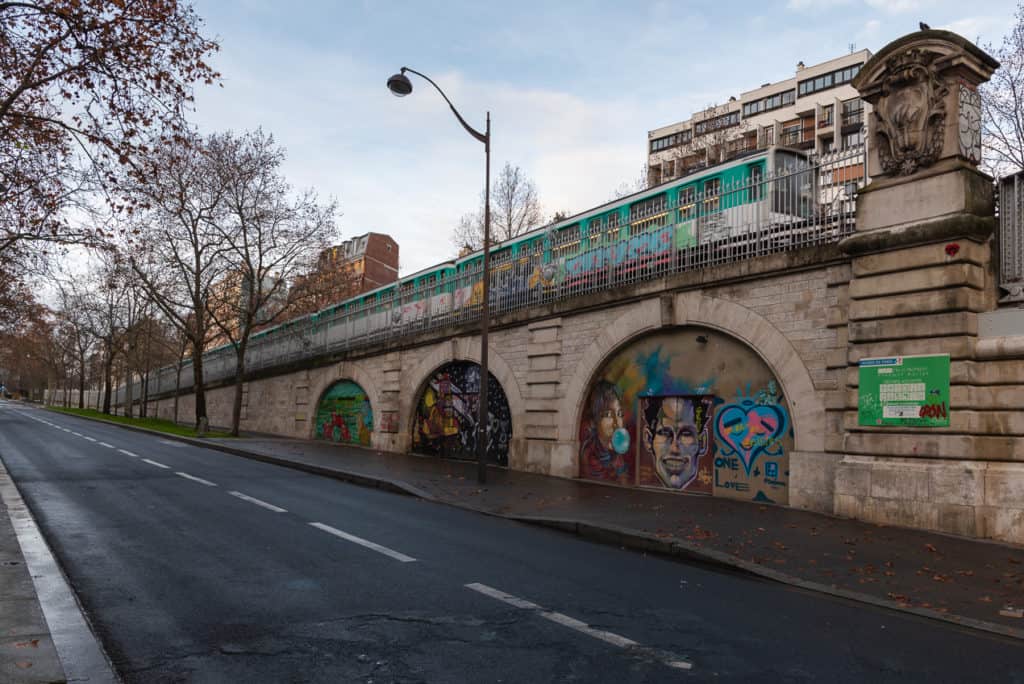
The words France and strike are synonymous. There are so many strikes that France is usually at the top of the list for the number of working days lost per year.
It’s part of the culture, and it will affect your life. The most disruptive are the transportation strikes. Without warning, trains stop running, and flights are canceled.
If you are planning any type of travel at any time of the year, that includes getting to work, you need to be ready with alternative transportation.
In my case, I moved within walking distance of my work. But most people, especially those who live in Paris, buy a car.
7. Traveling Across France is Expensive
France has an intricate network of high-speed trains that run throughout the country, making travel very easy.
The downside is the cost.
During the high seasons, expect to pay a hefty sum if you want to travel by train. It can be so expensive, in some cases, it’s cheaper to travel from Paris to Berlin than Paris to Strasbourg.
There’s no doubt that France is a beautiful country, but if you want to see it, be ready to pay!
8. Difficult to Find Housing
Navigating the housing market in France, especially in the most coveted cities. While this probably isn’t super foreign to people who live in New York, London, or other major cities around the world, it’s still a bit frustrating and can feel like running a marathon!
In cities like Paris, Lyon, or Nice, demand far exceeds supply, leading to a competitive environment where listings disappear as quickly as they appear.
Seriously, it can take up to 6 months to find an apartment, and buying a home isn’t much easier.
You’ll also need to overcome the intense bureaucracy I mentioned earlier —extensive paperwork, financial guarantees, and sometimes the need for a French guarantor. As an expat, this is overwhelming.
9. Low Wages
Since companies have to pay pretty insane taxes for each person they employ, it makes sense that they aren’t the quickest to offer raises and keep their staff as small as possible.
This doesn’t overcome the desire for a work-life balance, so they won’t expect you to take on an insane number of hours, making getting a job more difficult. Companies are very careful about their onboarding process and selective about the jobs they offer.
They also don’t have as much profit left over to increase wages.
So, the salaries in France can seem modest compared to countries with similar living costs. This is particularly challenging for expatriates who may also be navigating the cost of moving, potential gaps in employment, or supporting family members abroad.
But there are still benefits, like extensive social benefits, which contribute to a high overall quality of life despite lower take-home pay.
10. Cost of Living
Living in France offers a quality of life that’s hard to match, but that doesn’t mean it’s the most affordable, especially with notoriously low wages.
While healthcare and education offer savings compared to other countries, daily expenses and leisure activities can strain your budget. Even the cost of essentials like housing, food, and transportation can quickly add up.
If you tend to live a simple life, this won’t be the biggest deterrent, and you may not notice a huge difference.
But this cost of living requires careful budgeting and, for some, a willingness to compromise on lifestyle choices.
11. Lower Standard for Customer Service
The French approach to customer service is way different than you’d get in other places around the world.
I come from a culture where the customer is always right, so I was a bit surprised when I moved here and workers prioritized efficiency over friendliness and were less likely to make exceptions or offer personalized service.
But it’s not as bad as people make it out to be.
I’ve heard people say that French people are outright rude, and that’s simply not true.
In fact, most service workers are very good at their jobs and very polite. The only difference is that they won’t really go above and beyond or make small talk with you.
How to Transfer Money to France
Moving to France requires a lot of steps. One of the biggest ones is sending over money so you can start your life here.
I used to use outdated bank transfers and PayPal, which meant paying HUGE fees and inflated exchange rates. I’d often lose thousands just trying to move my own money.
Then, I found Wise.com.
I use them exclusively now to send my money around the world. Whether I’m moving to a new country, taking a gap year, or studying abroad, I’ve relied on Wise.com to transfer my money for the lowest rates.
If you’re skeptical, they even have a tool that will compare their service fees and exchange rates with other providers to prove that they are saving you the most money.
Sign up today to start moving your money to France securely and without ridiculous added fees.
Get Travel Insurance
No one wants things to go wrong on their getaway, but sometimes accidents happen.
When things don’t go to plan, have Safety Wing on your side. You don’t need the added stress of dealing with medical bills, lost luggage, or delayed flights when things are going awry. It would be best if you had a travel insurance provider you can trust to get you through the stress and be accessible 24/7.
Whether you need short-term, long-term, or budget-friendly coverage, Safety Wing has your back.
I’ve always been able to rely on them when I’m sick abroad, have had flight cancellations, or had something lost/stolen (these things do happen!).
Amazing Things to Do in France
Looking for more inspiration to convince you to move to France? Check out these amazing activities:
- Go on a secret food tour in Paris
- Take a bike tour of the famous Palace of Versailles
- Have a private Chambord tasting at a castle in Loire Valley
- Taste champagne in the region its named for
- Visit Nice on a French Riviera day trip
- Visitors from the US can tour the Normandy Beaches and D-Day Cemeteries
Wrap Up
Every country has its pros and cons, and France is no different.
Without a doubt, the quality of life in France is unparalleled. From magnificent healthcare to delicious wine and food, it has a lot of positives.
The bureaucracy are frustrating, especially in the beginning. If you come from the US or the UK, the salaries are lower, and the taxes are higher.
For some, these cons can be overwhelming, and you might prefer somewhere with a little less of a language barrier and higher wages, like the U.K.
For me, the pros outweigh the cons, and that’s why I still live in France. If you’re considering moving to France, use the pros and cons listed above to help guide your decision!

Written by Jen Ciesielski
Jen Ciesielski is the founder of Dabbling in Jet Lag, an adventure travel and photography blog. She’s an avid traveler, hiker, and photographer who’s always looking for her next adventure. While originally from the US, Jen, has been living abroad for the past 9 years, and now, lives in France. When she’s not planning her next trip, you can find her hiking in the Vosges mountains in Eastern France. You can connect with her on Instagram, Twitter, and Pinterest.
Save this for later!

More Posts
- Pros And Cons of Living In Madrid
- Pros and Cons of Living in Denmark
- Pros and Cons of Living in Switzerland
- Pros and Cons of Living in Sweden
- Pros and Cons of Living in Austria
- Pros and Cons of Living in Amsterdam
- Pros and Cons of Living in France
- Pros and Cons of Living in the Czech Republic for Expats
- Pros and Cons of Living in Berlin as an Expat
- Pros and Cons of Living in Italy as an Expat
- Pros and Cons of Living in Germany as a Foreigner
- Pros and Cons of Living in Turkey as a Foreign Woman
- Living in Serbia Pros and Cons
Living Abroad Travel Planning Guide
🚑 Should I buy expat travel insurance?
100% YES! — With basic coverage averaging just $5-10 USD per day, enjoy peace of mind with a plan from Safety Wing!
🌎 What is the best country to live in as an expat?
It depends – the best country to live in as an expat will depend on your unique needs. I developed this free quiz to help you figure out where is right for you!
📍 How do I pick a country to live abroad?
It depends – picking a country to live in is hard. That’s why I developed this $7 course to share all of the steps I’ve taken when deciding to move to 20+ different countries, and how I handle homesickness when I get there.
Ultimately, making the choice of where to move is going to be hard. But the hardest thing is deciding to move abroad at all!
💼 How do I get a job as an expat?
You can find work abroad via local job boards or temp agencies. My favourite way to work is remotely, so I always look for jobs on FlexJobs.com when I live abroad. They hire for 100% remote roles only.
If you’re looking to teach English abroad, Premier TEFL has the best online course to get you great work!
💰 How do I open a bank account abroad?
Wise.com offers free global accounts, and the cheapest money transfers. Since it can be a headache to open bank accounts in different countries (it took me 2 months in the UK!), Wise.com is a great solution.
I actually use it as my primary bank now worldwide due to the multi-currency debit card. (Read more)
👯♀️ How do you make friends abroad?
Meetup.com – Meet likeminded people who share a similar hobby with Meetup! It’s free to join, but some activities may cost money, like if you go to a cafe and get a coffee.
🙀 I don’t speak the language. Can I still live abroad?
Learn languages in no time with iTalki! Moving abroad is an opportunity to learn the language. You don’t need to know it before you leave home.
💻 Do I need a VPN?
Yes! – VPNs allow you to access more of the internet. From US Netflix in the UK to social media sites banned in Asia. It’s a really helpful and cheap thing to ensure your online activities aren’t restricted.
🧳 What’s the best luggage for living abroad?
This is my favourite luggage set for long term travel. You can read more about my review of types of suitcases for travel here.
🏡 How do I tell my friends and family I want to live abroad?
Take this $7 course and learn the exact script I used to tell my family I was moving abroad … and then when I did it again. I even include tips for prepping your family, and for how to handle family who aren’t supportive.
✈️ What’s the best site to buy cheap flights?
To find cheap flights, I recommend Skyscanner. (Read more)
🏨 What’s the best site to find cheap hotels?
To find cheap hotels, I recommend Booking.com. (Read more)
Or stay for free with Trusted Housesitters!
🚗 What’s the best site to rent cars abroad?
To find cheap rental cars, I recommend Discover Cars.
🚗 What’s the best site to find tours?
To find epic tours, I recommend Viator.