Nina Out and About contains affiliate links and is a member of the Amazon Services LLC Associates Program. If you make a purchase using one of these Amazon links, I may receive compensation at no extra cost to you. See my Disclosure Policy for more information.
What to Wear Hiking: A Complete Guide for Beginners
Hiking is my favourite activity. It’s odd that I didn’t start until I was in university, considering how addicted I’ve become. There’s something so amazing about wandering through the forests, connecting with nature, and taking the time to feel at peace.
But I was a newbie quite recently so I know that it can be hard to get into hiking.
It feels like this unknown activity for professionals. There are so many types of gear people talk about and different difficulty levels for trails.
I love hiking more than anything. It’s what’s kept me sane through the lockdowns and what helped me connect with myself during the worst years of my anxiety. So I want to share my favourite pastime with y’all by making it more accessible.
In this beginners guide to hiking, I’m going to tell you exactly what to wear hiking in any weather and any season.
There’s a saying among hikers: “there’s no bad weather, only inappropriate clothing”. It’s one of the most popular hiking quotes you’ll see around.
While I’m not advising you to go tramping in a hail storm, this guide will help you figure out what clothing is appropriate so even snowy Canadian winters will seem like the ideal time to go hiking.
I recommend these hiking boots
Quick List: What Should I Wear My First Time Hiking
- Layers Layers Layers!
Layers are the key to hiking. They allow you to prepare for a variety of weather and to adjust as your body temperature changes throughout your hike. I always hike with at least three layers accessible: a base layer, outerwear, and rain gear.
- A rain jacket.
Rain sucks, but it sucks a lot less if you’re wearing a proper raincoat. You want a waterproof jacket that will wick away moisture, but won’t insulate you. Get something that’s “waterproof” and “breathable”. This will keep you from sweating like you’re in a sauna.
- Hiking boots.
Do not hike in sandals or “pretty” shoes. Get proper sturdy footwear the provides support and protection. It’s best to have shoes with a thick fabric, unlike mesh sneakers that can get torn by rocks and twigs. Get a pair with a thick tread for better traction. I always get ones with ankle support to help avoid rolling my ankles when I go bouldering.
- Avoid denim and cotton. Go for polyester, nylon or merino wool.
Cotton and denim hold water. You don’t want to slog for hours with an increasingly damp and heavy outfit. Get a fast-drying material that will help keep sweat off your skin. They layer well and prevent the winter chill from cooling sweat in your bottom layer. If you’re allergic to wool – like I am – stick to synthetic fabrics. They’re cheaper but have the same effect.
- There’s a time and place for yoga pants.
Yoga pants are an Insta-hiker wardrobe essential, but they aren’t the smartest item for trails. The thin material can easily shred from a tumble or scrape against a tree. Get sturdier pants that can move freely without the risk of tearing at every turn.
- Sun protection.
All hikers need sun protection, even when it’s cloudy. The sun is still shining through. Get sunglasses that are comfortable to ensure you can clearly see the trail. Wear sunscreen with an SPF above 30. Wear a brimmed hat to keep the sun out of your eyes. It can also protect you from rain or snow.
- Bring a spare pair of socks.
There’s nothing worse than wet feet. Keep a spare pair of socks with you while hiking. You may need them if your feet get wet or too sweaty. Built up moisture causes blisters. Keeping your feet dry will also protect them from these sores that will make the rest of your hike a nightmare.
By Season
What to Wear Hiking in Spring
Spring hiking can be so gorgeous. It’s when everything is first blooming again after winter. But it’s also when things can get chilly, muddy, and slippery.
You’ll need more traction in your footwear to handle the muddy trails from melting snow and increased rainfall. Opt for hiking boots rather than sneakers. These will be able to grip and keep you standing, rather than on your butt in the mud.
You’ll need to wear layers for spring hiking. Temperatures can fluctuate throughout the day, especially with inclimate weather. Always carry a waterproof jacket with you as an outer layer, even if it’s not expected to rain. Purchase one that is both water and wind proof to help handle gusts on mountain peaks.
Beneath your jacket, you’ll need a few layers. Depending on the temperature, start with a base layer of a hiking t-shirt or long-sleeve and add a fleece on top to ward off the chill.
Wear long pants when hiking in the spring. It keeps the mud off your legs and prevents you from cooling down too much. While it can get warm and some experts like convertible pants that un-zip, I believe in keeping your legs covered to prevent scrapes from branches or reactions to plant matter.
Wear a hat with a brim, like a baseball cap or hiking hat, to keep the sun out of your eyes and to keep your head dry if it rains.
Invest in a light pair of gloves for running or hiking that will keep your hands warm. It’s a risk to keep your hands in your pockets while you hike. These thin gloves are easy to stuff in a pocket if you get too warm during your hike.
What to Wear Hiking in Summer
Summer hiking is incredibly popular, but it can also be very warm. Remember that even though it’s hot out, there are environmental factors that may prevent you from wearing shorts. Keep your legs covered in areas with high risks of ticks, poisonous plants, and snakes.
In the heat, you may prefer to switch from hiking boots to sneakers or sandals. Be sure to choose shoes that are appropriate for the terrain you’ll be hiking.
Stick with lighter colours in the summer to stay cooler in the heat. Wear breathable materials like polyester to help wick away sweat.
I love combining a summer hike with a swim. If that’s your plan, remember to have a change of underwear. Hiking with wet underclothes can lead to chafing. Try to wear a supportive bikini top that won’t rub at your neck. Hours of hiking with a backpack rubbing at a bikini tie is not comfortable. I prefer sports-bra style bikinis or to change when I get to the place I’m going to swim (bath sheet-sized towels make this a lot easier!)
Always wear protection from the sun. Invest in UV clothing that can block the rays. Wear high quality sunscreen and reapply it throughout your hike. Wear sunglasses and a hat to ensure you can see the trail properly. Go for a wide brim that will protect the back of your neck as well as your face.
What to Wear Hiking in Fall
Fall is one of my favourite times to hike. The gorgeous changing leaves make mountain vistas look otherworldly.
However, like spring, fall can have temperamental weather.
Leaves on the ground can start to rot and get muddy. Stick with hiking boots with traction to avoid slipping and sliding.
You may need more than a fleece and a rain jacket in autumn. Invest in a light down jacket or add a layer of long underwear beneath your other clothing if it’s a particularly cold day. I recommend adding a gaiter or scarf to keep you warmer as you hike.
Wear full length pants to avoid splatter on your legs or scrapes from low branches.
Although beanies and toques are popular attire for fall hiking, it’s better to wear a hat with a brim. You’ll want something that can help block the glare of the sun and that won’t absorb any water if it rains.
Add on wool socks or hiking socks that will keep your feet warm and dry as you hike. Pair them with a set of thin mittens to ensure your hands are just as cosy.
What to Wear Hiking in Winter
Some people don’t believe you can hike in winter. Well, that’s just not true! I hiked in -20C weather in Ottawa this year through snowy trails and down to a frozen waterfall. So it can definitely be done!
Winter hiking requires a whole different wardrobe than any other season.
The key to winter hiking clothes is layering. You’ll need insulating fabrics, like wool or synthetic alternates (they’re cheaper!). Always start with a base layer of long underwear, then add a middle layer. This is the layer you’ll remove if you start to get too warm. Finally, top it off with an insulated down (or synthetic) outer layer.
It can be tempting to wear giant puffy coats in winter, but these can restrict your motion. Aim for tightly packed items that allow you to move freely but still have the warmth of a thicker parka.
You’ll need to wear full winter kit for these hikes: waterproof mittens or gloves, a thick hat, hiking boots, insulated socks. Add something to cover your mouth and nose – a gaiter or a scarf – in case of additional wind.
If it’s very cold, you may need to add some hot packs to keep your fingers and toes warm.
Hikes that are off of maintained trails can require snowshoes or crampons to help you grip and ensure you don’t fall.
I like to hike with snow pants on to help keep the chill off my legs if it’s snowing. These ensure that the snow doesn’t melt into your pants.
How to Choose Hiking Clothes
Layering
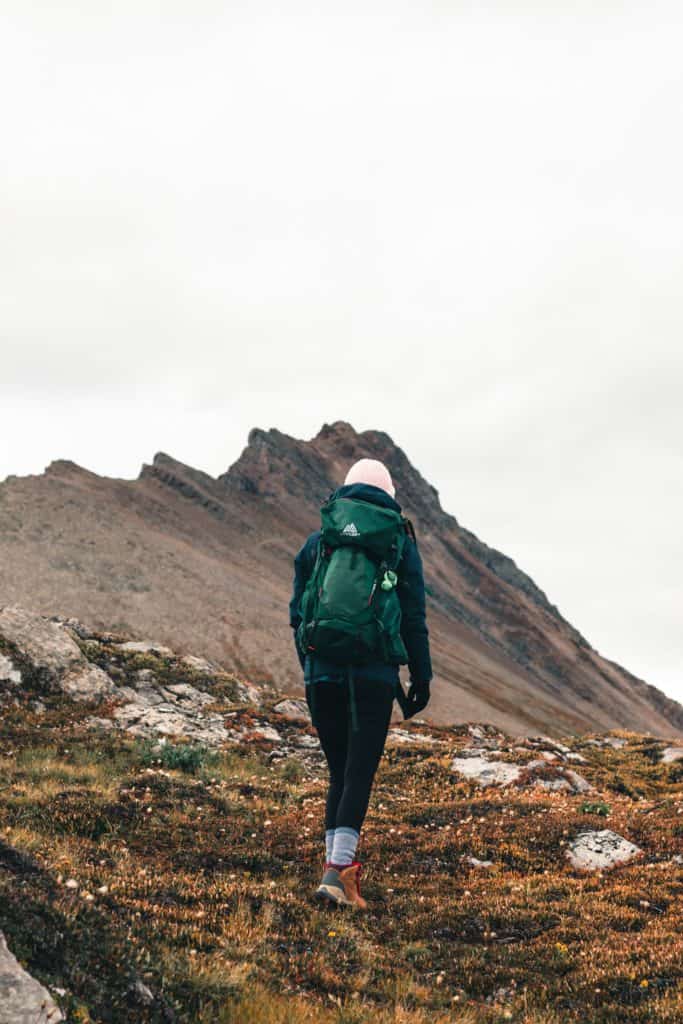
Layering is a traditional hiking clothing strategy. Every layer you wear has a different purpose. Your outer layer may protect from wind, but the next layer protects from the cold, etc.
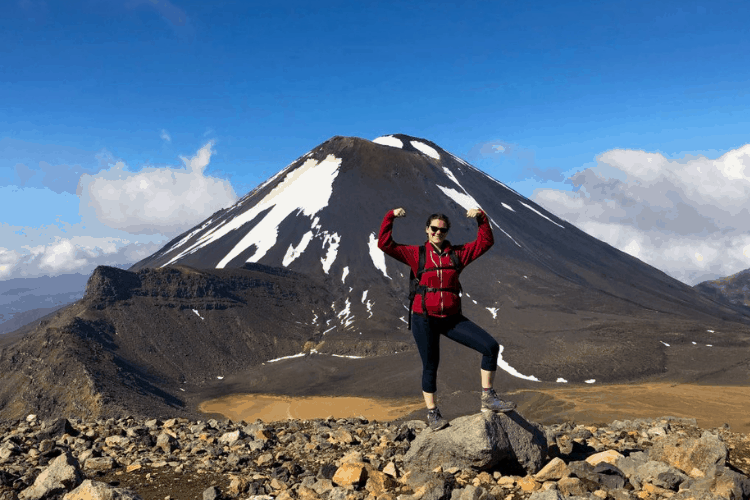
You can adjust these layers during your hike to adapt to the weather and your body’s temperature. I always start out with more clothes than I finish with during hikes. My body temperature rises and I get too warm. But by the end of a long hike, like the Tongariro Crossing, when your sweat starts to cool, you need to add some of those layers back on.
Layering also allows you to use a variety of hiking clothes in different seasons. So you won’t need to buy completely new kit for every hiking scenario.
Anticipate Conditions
When you’re hiking, you’re dependent on what you have with you. That means that you need to pack everything you could potentially need for different weather conditions.
For example, a storm could roll in without warning in the summer. If all you’re wearing are shorts and a sports bra with no additional layers on hand, you’re stuck.
Try to pack for as many conditions as possible. Typically, a hiker should be prepared for cooler and hotter weather than expected, and more precipitation.
Function Over Fashion
Instagram has turned hiking into a fashion show, which it shouldn’t be.
That gorgeous dress a woman is wearing on top of Ben Nevis in New Zealand? She definitely didn’t hike in that.
Dress properly. You need to be functional, not fashionable, when you hike. Opt for clothes that do what they’re supposed to, rather than just looking cute.
Comfort, Durability, Weight and Price
These are the four main factors in purchasing hiking clothes. Unfortunately, it’s hard to get all of them in one item.
For example, the ultralight gear is much more expensive than the heavier items.
You’ll need to trade off between these 4 factors. Aim for 2 factors that matter most to you. For many new hikers, this is price and comfort. Comfortable hiking clothes will make it easier to get used to the new sensation of hiking through difficult terrain.
Shop with these factors in mind to get hiking clothes that will work for you.
Get Good Boots or Trail Shoes
Since hiking is all about walking, the most important thing is to have comfy feet. Shoes are the most important piece of hiking gear. You need to know what you’re looking for: weight, tread, ankle support, insulation, crampon compatible.
For advice on what makes a good hiking boot, check out REI Co-ops expert tips.
Picking the Right Fabric
Fabric Properties
- Wicking. Wicking means that the fabric pulls moisture away from your body and moves it to the surface of the fabric. This helps keep you dry while exerting yourself on a hike. You’ll need base layers with wicking properties to keep you from getting clammy or chilled from sweat.
- Insultating. Clothing can’t produce heat, but it can retain it. You’ll need a mid layer item that can insulate the heat your body naturally produces during your hike.
- Waterproof and Windproof. Essentially, you need a good rain jacket. This will prevent you from getting wet or chilled during your hike. Most waterproof jackets are also windproof by nature, but it’s important to check if it’s not explicitly stated. You don’t want to be dry during a storm but still shivering from windchill.
- Breathable. Breathability is important when you’ve got a lot of layers: it keeps water from getting trapped inside the layers. If you don’t have breathable layers throughout your hiking outfit, it may start to feel like a sauna inside. It’s especially important to get a breathable waterproof layer so you don’t overheat yourself. They cost a bit more but they’re well worth it and you won’t end up clammy.
- Sun Protection. You can buy hiking clothes that protect against the sun’s rays. These are vital for summer hiking, especially in unforested areas, where too many hours can lead to burns, heat stroke, and more.
Fabric Types
- Wool / Merino Wool. Wool is a very popular fabric for hiking clothing. You can get great, soft wool items that are breathable and dry quickly. Plus, they insulate you very well during the cooler months. Merino wool is a finer form of wool that is very soft and has moisture wicking properties. It’s good for long underwear.
- Polyester / Nylon. Polyester and nylon wick sweat and dry quickly to keep you dry on a hike. They’re cheaper than wool fabrics, but are prone to smelling overtime. You can purchase items with special properties to reduce odor-causing bacteria. Most workout clothing is made of polyester or nylon so it’s easy to see how these synthetics help with sweat. Polyester and nylon are also sturdier than cotton when it comes to ripping.
- Fleece. Fleece is traditionally a form of sheep’s wool, but nowadays most fleece is actually made out of polyester. Modern fleece is known for its insulating properties. The thick fibres will keep you warm on top of your base layers all day. It’s also a super comfortable material for insoles or boot linings.
- Down. Down jackets are essential for winter hiking. They are great at keeping hikers warm in low temperatures. They also squish down very easily, so you can pack them without worry. The only issue is that if the internal down gets wet, the feathers clump and the jacket is basically useless. You can get synthetic down now that doesn’t have the same problems and is more ethical/allergen-friendly. These synthetic versions don’t react the same way to water so you can wear them even in a storm.
How to Layer Clothing
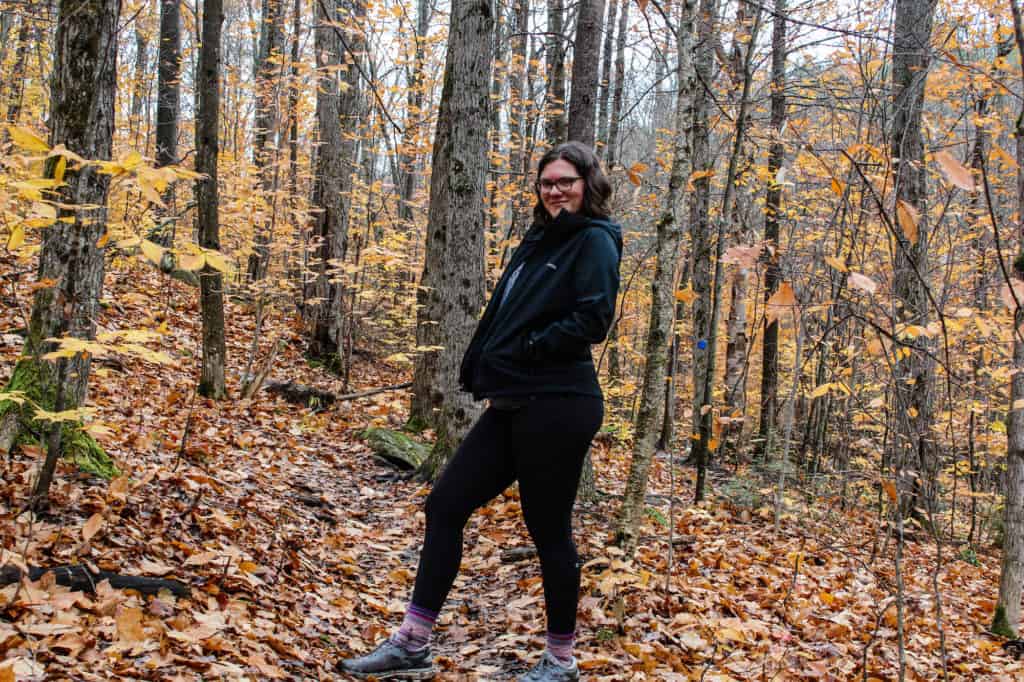
Before we get into the specifics of what to wear hiking, I’m going to take you through how to put on your layers properly. It may seem simple enough, but I’ve made mistakes multiple times while out and about: I’ve worn cotton bras that retained moisture and left my feeling chilly despite otherwise overheating after a hike, I’ve focused on moisture wicking only and forgot to insulate myself, and I’ve forgotten to wear the right type of socks.
Let’s learn from my mistakes by going through exactly how to layer hiking clothes.
Socks
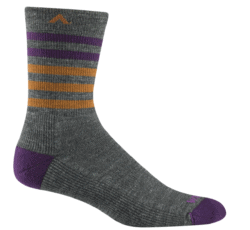
Most people don’t think about their socks when they’re planning what to wear for hiking. But socks are a huge part of your wardrobe. You need to get synthetic or wool socks that will wick moisture away. Unwanted moisture can lead to a chill, blisters, and foot funguses.
Invest in proper hiking socks that come at least 1 inch above your hiking boots/shoes. They should have a strong elastic so they don’t slip during your adventure.
Underwear/Bra
This is the layer closest to your skin. That means it comes in contact with the most sweat. So you’ll need the moisture wicking properties of synthetic or wool fabrics to help keep you dry. There’s nothing worse than wearing sweaty undies all day.
Even though these areas are small, the effect of trapped sweat can really cool you down to the point of shivering. Invest in the right kind of gear or all your other hiking clothes will be moot.
Baselayers
A base layer is the piece of clothes that go on top of your underwear and bra. This would be your pants and the first shirt that you wear. Again, base layers are close to your skin, so they need to help wick sweat away.
Pick a fabric that will regulate your temperature appropriately. In cooler climates, you may need a warmer fabric like a thick merino wool.
Insulation
After you’ve built up your base, you now need to insulate your body heat. You may not need this layer if you’re hiking in summer. Invest in a down, fleece or synthetic layer to help trap the heat here. These will contain the heat your body is producing to keep you warm without your body needing to do extra work.
Outer Layer
The final layer is the outer layer, often called a “shell”. You can get different types of outer layer, but I recommend a hardshell, which can stand up to wind, rain, and has breathable fabric. This layer protects all of your other layers from external threats to your warmth and dryness. You’ll want to ensure it’s entirely windproof, waterproof, and that it covers you well.
You can also get a dryshell, but they are only “resistant” to wind and water, which means they won’t stand up against a downpour.
Outerwear Recommendations
Remember, the keys to outwear are: warmth, wind protection, water protection, and breathability. You’ll want items that can pack well so you can layer them easily.
Packable Insulated Jacket or Vest
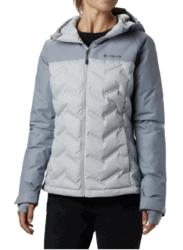
An insulated jacket or vest is a prime protection against heat while you’re hiking. You’ll want to purchase a down or synthetic down jacket for the best insulation.
These jackets are specially designed to pack down into your daypack without taking up much space.
I love these jackets for travel as well as hiking.
You can also get jackets that convert to vests with zip off sleeves. Then you have more control over your heat as you hike.
Light Windbreaker
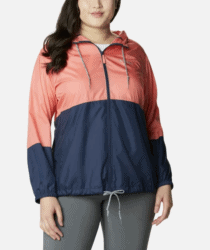
A “light” windbreaker would be “resistant” to wind and water. These are best for short hikes or predictable climates. However, they can fail to stand up against a storm, leaving you wet and unhappy.
Rain Jacket
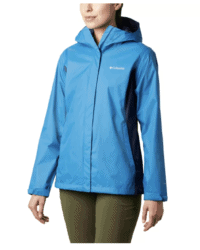
Rain jackets are essential for hikers. Nothing ruins a hike like getting soaking wet and having to keep slogging on for hours.
Always get a rain jacket that’s 100% waterproof. They come windproof and breathable, as well. However, these additional features cost more.
I recommend the investment, otherwise you’ll feel like you’ve been crammed inside of a plastic bag filled with body heat.
Base Layer Recommendations
Underwear
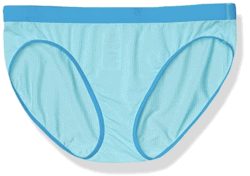
You can’t just throw on any old underwear to go hiking. That thong you love? It’s not going to love you after 6 hours climbing a mountain. Those cotton boyshorts? They’ll be wet from sweat and clinging to you.
Get a pair of hiking-approved underwear: made of synthetic fabric, non-chafing, seamless, and supportive. You’ll want more coverage a thong.
Bra
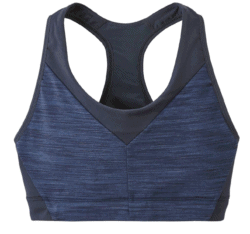
Cotton bras are another no no. They absorb sweat, and you’ll be surprised how much sweat will come off your boobs during a trek.
Instead, stick with supportive sports bras. Your level of support will vary based on your cup size and how strenuous the hike is. I’m a 32DDD and always go for max support, because I have a bounce-y walk that makes hiking a nightmare without something more secure.
If you’re unsure what you need, I suggest opting for mid to high support. It’s always better to be too secure than not secure enough.
Remember to get a sports bra in a synthetic fabric or in merino wool. Typically you’ll find them in polyester or nylon.
Tank Top/Camisole
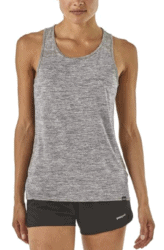
I live in tank tops because I get sweaty and I love having nothing restricting my arms. In fact, I usually wear this as a secondary base layer beneath a shirt in the spring/fall solely so I can strip down to it once I get too hot.
Having a good go-to hiking tank top or camisole is a layering trick I love. You can use them in cold weather to add to your layers or opt for it in the summer rather than a t-shirt (but wear plenty of sunscreen!).
Ensure you get something that’s breathable and wicks moisture. All of mine are nylon and polyester. I always get thick straps to ensure my backpack won’t chafe my shoulders or back.
Should You Wear Long Underwear?
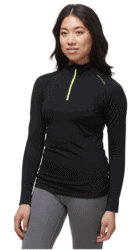
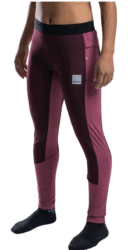
It depends on what you prefer and where you’re hiking. I typically avoid long underwear, because I do more warm weather hikes. However, I layered them on for my winter hike in Ottawa and they kept me so much cozier. I started wearing them out daily (because you need 3 layers of pants to survive Canadian winters, I’ve learned).
You can get long underwear in a variety of styles and thicknesses. I opt for medium weight because heavyweight is too thick for me. Choose between light, mid, or heavyweight. They have recommendations based on external temperatures, but ultimately it depends on your body heat.
You can get shorts, t-shirts, long-sleeves, camisoles, and leggings as long underwear. They are more expensive if you get fancier versions with zips that allow for additional temperature control.
Top Layer Recommendations
T-Shirts
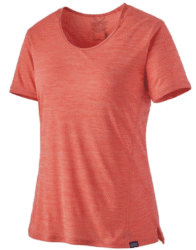
Technical hiking t-shirts are a cult classic among hikers. They’re cool in the warm seasons due to the moisture wicking. They can also be a great base top for layers in winter months.
Opt for a wool or polyester hiking t-shirt. You want something that is long enough to rest comfortably below your backpack so it doesn’t ride up as you walk. You can get them in V-necks or crewnecks, whichever you prefer.
Long Sleeve
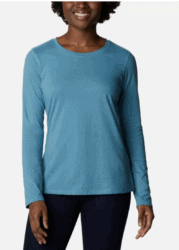
Long sleeve technical hiking shirts are basically the same as t-shirts, but designed for cooler weather. They tend to be quite lightweight but are surprisingly good at keeping you warm in the winter.
If you’d prefer more sun protection in the summer, get a long sleeve sun protection shirt to keep your skin safe from damaging UV rays. Oddly, the extra fabric will keep you cooler than a t-shirt.
Pullovers/Fleece
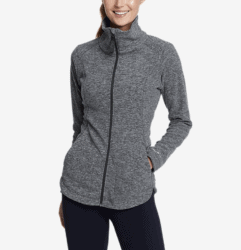
Pullovers and fleece are a great warm layer to add to a spring or autumn hike. You’ll want to invest in a zip up fleece for easier temperature regulation if you’ll be hiking often in different climates. Even just a zip at the neck can make a huge difference.
Don’t go for a cotton hoodie because you have one lying around. The cotton will absorb sweat and cool you down instead of heating you up.
Get a synthetic or fleece sweater that will actually retain heat.
Bottom Layer Recommendations
Hiking Shorts
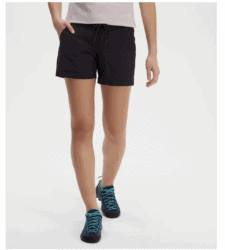
I love hiking shorts, because I hate wearing pants. The shorter fabric helps you stay cooler in warm hiking months.
However, you need to make some considerations with hiking shorts. If they are too short, they’ll cause thigh chafing, which is not fun to bear during a long hike. If the terrain is extremely rough and rugged, you could injure yourself. Are there lots of bugs? Then you’ll want to cover up more.
If you feel that your hike has a well-maintained path, that it’s warm enough, and that your shorts are a comfortable length, then go for it!
Always choose a moisture wicking material like nylon for hiking shorts. Cotton bike shorts won’t do the trick.
Hiking Pants
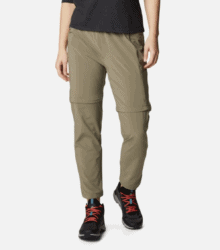
Yep, there’s a special type of pants built just for hikers. These pants look similar to track pants, often hanging slightly looser from your body. Many are convertible, so you can zip off parts as you get hot. They also make hiking pants lined with fleece to keep you warmer in the winter months.
Hiking pants are more durable than leggings or jeans. They’re designed to tramp through the forest without tearing the moment a branch brushes your leg.
Yoga Pants/Leggings
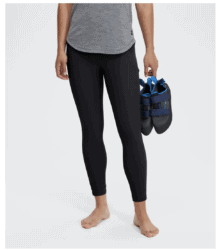
Yoga pants and leggings are lovely to wear. Hell, I wear them 80% of the time I’m wearing any form of pants. But they aren’t ideal for hiking.
Yoga pants are a great option for easy hikes. Anything more rugged or bushy and you’ll trash them. They are also often made with some level of cotton in them to make them soft, which leads to moisture retention you don’t want.
Rain Pants
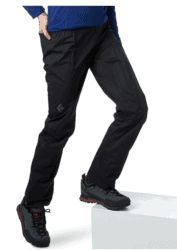
Rain pants are waterproof pants. Essentially, they’re a rain jacket for your bottom half. They are usually made of nylon and Gore-Tex (a waterproof-breathable fabric). Rain pants, like hiking pants, are often convertible, with zippers to remove sections for comfort.
They are a layer that goes on top of your regular pants, since they don’t have any insulation or ventilation on their own.
Snow Pants
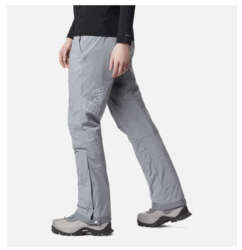
Like rain pants, snow pants are an additional layer of pants that go on top of your normal trousers. These are made of synthetic material coated in a waterproof fabric. They have a lot of insulation and will protect you from the snow.
Snow pants aren’t always essential for winter hiking, but tramping through snow dunes will definitely require them. They tuck into your boots to ensure you don’t get foot-fulls of snow as well.
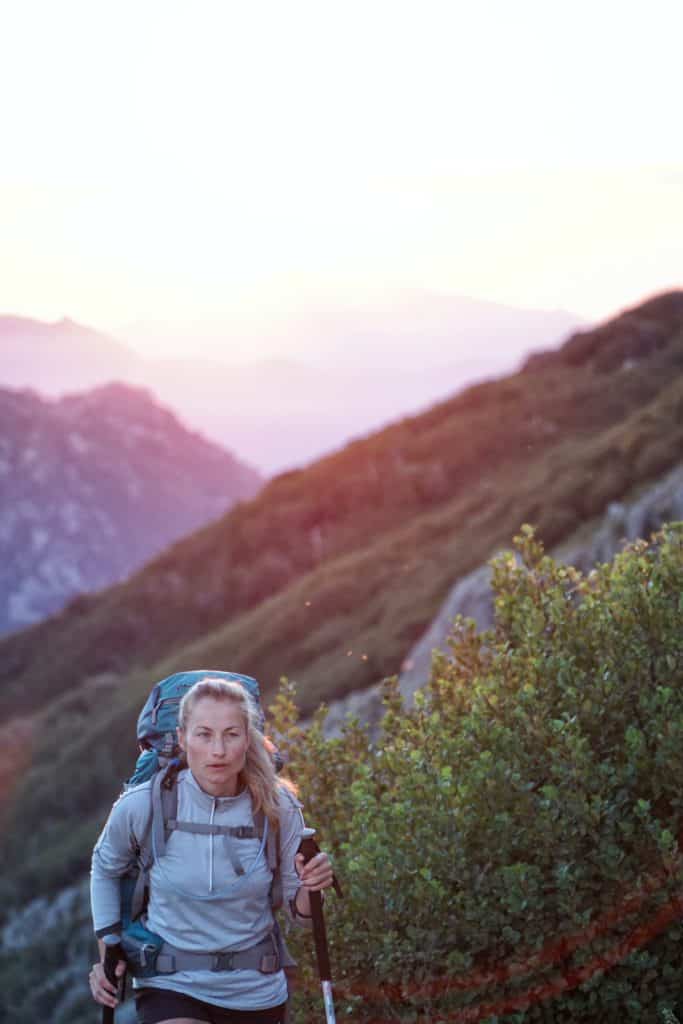
Hiking Accessories
Sunglasses
Sunglasses with UV protection will protect your eyes on a hike. I always carry a pair with me, even if the weather calls for rain. Then I can be sure that I’ll have a full field of vision and not be squinting if the sun does surprise me.
Don’t buy $2 sunglasses. Invest in a pair that are polarized to protect your eyes.
Brimmed Hat
Brimmed hats are great for hiking. There’s a reason hikers all have the same style of hat: because they work. The all-round brim protects your face and neck from the sun. They also have moisture-wicking properties to help keep you dry. Many have an adjustable strap to ensure high winds don’t blow them away.
Neck Gaiters
Neck gaiters are a form of neck protection. They’re a form fitting scarf that covers the bottom half of your face and your neck. These work very well in winter as protection from the cold. The fabric is breathable, moisture wicking, and won’t unravel like a scarf.
Microspikes / Crampons
If you’re planning to go off-roading in the winter, you may need crampons or microspikes. These are attachable spikes that will add extra grip to your tread. They aren’t compatible with all footwear.
I used crampons when climbing a glacier in Iceland. They strap on around your foot and feel extremely secure. They made it incredibly easy to walk up a sheer ice face.
Trekking Poles
Trekking poles are the modern answer to walking sticks. They are sticks specially designed to support you while you hike. They have comfortable handles to grip with wrist bands, and a pointed bottom that can dig into the ground.
Trekking poles help you distribute your weight, provide support, aid your balance, and take the strain off of joints.
They aren’t just for old people or cross country skiers. I love trekking poles, especially when going downhill where my knees can seize up after old injuries. They’re very fun to use and modern ones are extremely light weight.
Socks
Socks are hiking essentials! I used to hike in cotton socks and got constant blisters. I was going through moleskine like crazy. Now, I have proper hiking socks that are made of polyester and nylon. They keep my feet dry, which prevents the rubbing that leads to blisters.
Always pack a spare pair when you go hiking.
Gloves
You’ll need gloves to hike in the winter or fall. I always bring a small lined pair of running gloves with me when I hike in fluctuating weather. In the winter, I wear waterproof gloves that have a synthetic down inside. They keep me warm and ensure that I can still use my hands as I please, rather than being restricted in mittens.
Winter Hat
Winter means cold. Wear a proper winter hat that covers your ears and provides protection from the snow. A knit beanie won’t cut it, as they retain water in their fibres. You’ll want something that can stand up to the cold and the wet.
Choosing the Best Hiking Shoes
Traditional Hiking Boots
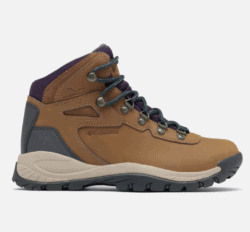
Traditional hiking boots are ankle height with a heavy tread. These are the go-to for most hikers, as they can adapt to most terrains. They tend to be made of leather so they are waterproof. However, this traps heat. If you’re looking for a summer-friendly pair, get some mesh hiking boots to allow more air to cool your feet.
Hiking Shoes
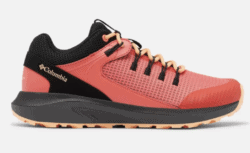
Hiking shoes are essentially shorter hiking boots. They have a similar design and structure to hiking boots, but without the ankle support. They are good for short hikes where you can control your ankle throughout. They are not suited for bouldering or shale fields.
These are popular with backpackers because they’re lighter than traditional boots.
Hiking Sandals
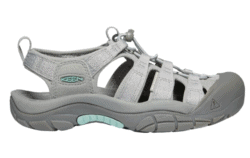
Hiking sandals are very different from your usual summer sandals. They have a heavy tread that will support you throughout a hike. Hikers love these sandals for hikes that involve walking through rivers or for summer hikes. They strap your feet in securely and help if you overheat (like I do).
However, your feet are then open to the elements. They can get cut or exposed to plant matter like poison ivy. Only wear hiking sandals in locations that you feel secure, where you won’t be risking your health and safety.
What Not to Wear Hiking
Deciding what to wear hiking is just as important as knowing what not to wear when you hike. These are the fabrics you should avoid at all costs when planning your hiking outfit:
- Denim. Denim is created using heavy cotton yarn. This makes it extremely heavy when wet. The fabric will retain water, so you’ll stay drenched and unhappy if you get caught in the rain. I also find that denim chafes when wet, which isn’t ideal for long hikes.
- Cotton. Beginner hikers always want to wear cotton when hiking, because they have full drawers of cotton t-shirts. However, cotton is hydrophilic, which means that it absorbs water. You do not want to wear cotton when hiking, or you’ll soak up rain like a sponge. Think of your kitchen dish towel or your favourite sweater after the wash – they retain water for ages and take hours to dry.
- Silk. Although many hiking clothes feel “silk-y” they aren’t actually made of silk. That’s because silk is a very delicate material. It can tear easily. It also has no moisture-wicking properties, so it retains sweat very easily.
Can I Wear Leggings for a Hike?
I’ll be honest, I always used to wear leggings while hiking.
However, I don’t recommend it.
I started wearing leggings hiking because they were all that I had. It was that or uncomfortable, stiff skinny jeans that limited my range of motion. Shorts were out of the question due to my allergies to everything green and wild (yep, a hiker who is severely allergic to trees. It’s great fun). They also wouldn’t protect my legs from branches and barbs.
So I turned to yoga pants.
They were ok at first. For short hikes under 5km with well cleared paths, my yoga pants performed well. They get quite warm due to the dark colour, but I could move.
I figured that they were the best I’d get when it came to hiking pants.
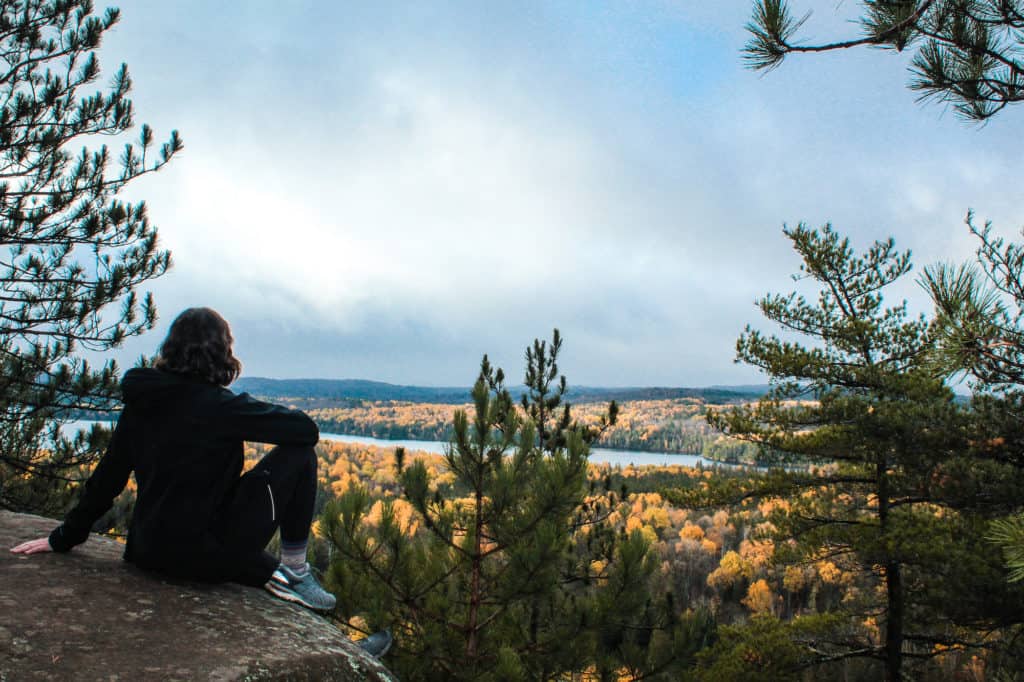
It wasn’t until I did my first hike in Algonquin Park that I realized that leggings are not meant for hiking.
The weather wasn’t great, with most of the trail still damp and muddy from past rainfall. I slipped on a rock and turned my foot. It later ended up being a sprain. The small tumble I took, where I didn’t even skin my palms when they hit the ground, tore the knee of my leggings open.
It caused a rock to catch on my knee and draw blood. I couldn’t adjust them to cover the wound, leaving it exposed beyond my bandage for the rest of my hike.
So, in short, leggings are perfectly acceptable for “easy” hikes that are easy terrain and have been well-maintained. However, they won’t hold up against even the slightest fall or a branch catching on your leg.
Invest in a sturdier pair of hiking pants to protect your legs on the trail.
If the reason you’re wearing them is for the “hiking aesthetic”, you can always change into them for photos. But safety should be your primary concern.
Beginner Hiking Clothing Tips
Used Items
If you’re a beginner hiker, you may not want to invest in costly items just yet. Learn the lay of the land before you invest all your money in amazing gear (because it does get addictive adding to your special hiking sock collection … not that I have one).
Buy used goods from thrift stores or local shops. Patagonia has a second hand site, Worn Wear, to get their goods for cheaper. REI Garage and MEC also have discounted items for members.
Inclusive Sizing
Unfortunately, hiking is still quite size-ist. Clothes tend to run small, especially in the chest for women. It can be difficult to find items for plus sized women who want to hike. That forces them to wear yoga clothing or cotton t-shirts that make the experience worse for them.
If you’re looking for plus sized hiking attire, check out these stores: REI, MEC (Canada-only), KUHL, Patagonia, Smartwool, Backcountry, Knix (bras and underwear), Columbia, Helly Hansen, and Eddie Bauer.
Don’t Overpack
Hiking means carrying everything you need with you. If you overpack, you’re going to weigh yourself down and make the experience more difficult than it needs to be.
Leave the hair dryer and fourth book at home. Take what you actually need and focus on keeping your bag light.
Pick and Choose from the Items on the List
Don’t pack all of these items for every hike. This guide on what to wear hiking is extensive. You’ll only need some of these for the types of hikes that you’ll be taking. Select them based on the season, terrain, and weather.
Sun Protective Clothing
Sun protective clothing is a game-changer for hikers. It’s a great balance of keeping yourself healthy while getting to enjoy your time outside – and not sweating to death in a long sleeve that’s got insulation.
These types of clothes have tight fibres that protect against the sun’s UV rays that are harmful to our skin. They cause us to age, get more tanned, and can cause melanomas. If you’re planning a summer hike, sun protective clothing is a huge asset.
Is it Better to Wear Black or White in the Sun?
Ultimately, it doesn’t matter if you’ve picked the right fabrics for your hiking clothes.
There are debates as to whether or not black attracts heat more than white. It’s still unclear, with many people saying that white actually radiates more heat even though black absorbs it.
I’m not a physicist, so I won’t wear in.
Personally, I find that loose, well-made clothes for hiking feel the same regardless of their colour. It’s more about the fabric, the thickness, and your comfort.
What to Wear Hiking if it’s Buggy
Hiking means going through dark forest, where bugs make their homes. You’ll come across ticks, mosquitos, sand flies, black flies, horse flies, and all other sorts of horrible flies. Unfortunately, you’re in their home, so you have to expect that they’ll be there.
Protect yourself from bugs by wearing bug-protective clothing: aka. Long-sleeves. You’ll want to wear clothes that cover your whole body. Some include a built-in insect repellant. Others include bug netting.
You can also spray your regular clothes with bug spray before setting out on your hike.
What to Wear Hiking Wrap UP
Hiking is one of the best outdoor past times. It’s easy on your joints if you wear the right shoes and helps you see more of the world.
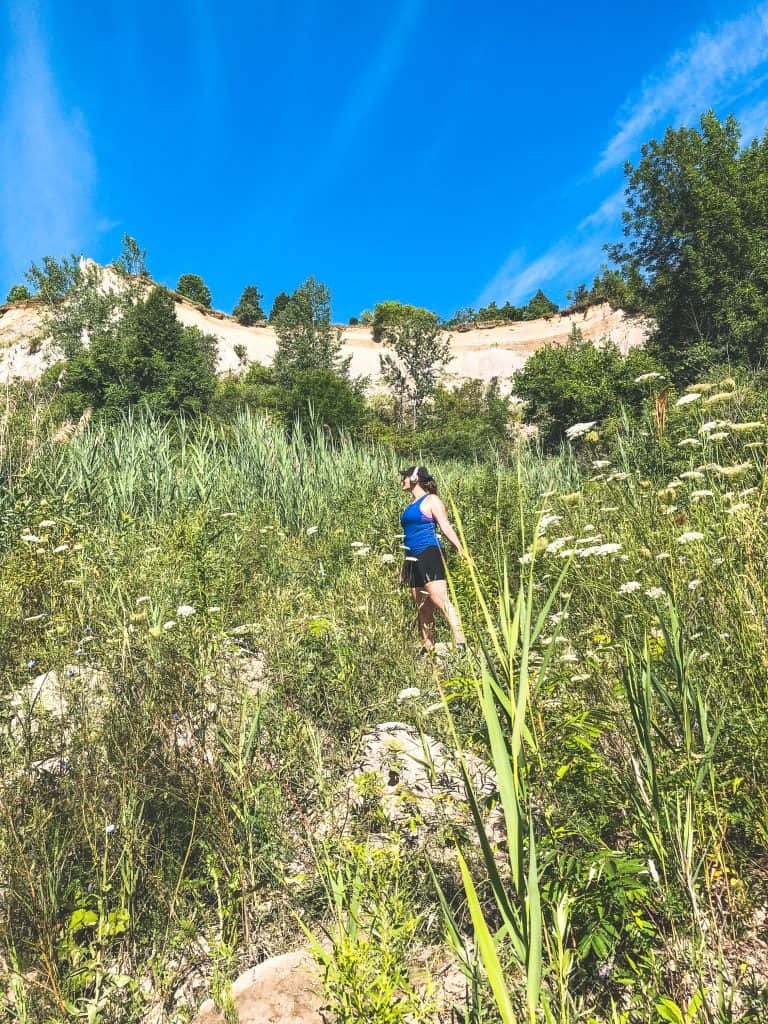
I always feel more at peace hiking. Even if the trail is close to the city, like the Scarborough Bluffs hiking trails near Toronto, you still get a sense of calm in the area. It’s a break from the noise and lights, and plethora of people.
Now that you’ve read this guide you know what to wear when hiking. You’ll go from being a hiking beginner to a pro wilderness explorer in no time!
Happy trails – and remember the hiking motto: leave nothing but footprints.
I recommend these hiking boots
Related Posts:
- How to Hike the Tongariro Alpine Crossing and Why You’d Want To
- Visit the Scarborough Bluffs: The Best Hiking Trails & Beaches in Toronto
- 86 Bucket List Canada Things to Do: The Ultimate Must Do List
- Essential Canada Winter Clothes: Gear You Need to Pack For Winter in Canada
- Must-Have Beach Essentials to Pack for Summer
- It’s Hard to Pack When You Hate Your Body
Pin This for Later