Nina Out and About contains affiliate links and is a member of the Amazon Services LLC Associates Program. If you make a purchase using one of these Amazon links, I may receive compensation at no extra cost to you. See my Disclosure Policy for more information.
Why This World Traveler Chose to Live in Vermont Over All Other Places (Including Alaska!)
Welcome to Living Out and About! I love sharing my experiences living abroad with y’all so much that I figured other expats would too. I’ve reached out to expats and nomads living around the world in different ways to share their experiences living, moving, and exploring. If you’re looking to learn about a certain way of moving abroad or about living in a certain place, check out this series!
Usually, I speak to people who are living abroad, but we’re changing it up a bit. I find local perspectives super helpful in picking a place to move to, so we’ll be speaking to a local about living in Vermont.
Today, I’m speaking with Heather Kasvinsky of This Noshtalgic Life, who has lived in Vermont since 2013. Heather fills her days homeschooling her two kids, cooking up new recipes, and enjoying the outdoors. She appreciates Vermont’s mix of community vibes, diverse activities, and epic ski seasons.

Hi Heather! Thanks so much for joining us. Can you tell us a little bit about yourself?
Hey Nina! I am 46 years old and grew up in the historic borough of Litchfield, Connecticut in a Victorian house. Living in the Northwestern hills of the state meant we experienced epic snow days as kids, the most gorgeous autumns, and classic New England summers.
I received both my BFA and MFA in Printmaking. I taught fine arts at the college level for 13 years as an adjunct professor in Arizona, Alaska, and Vermont, including two years teaching students who crossed the border from Mexico to take classes! Eventually, once in VT, I decided to stay at home to raise my very young kids (at the time) and homeschool them to embrace a slower lifestyle.
Cooking and gardening are huge passions of mine and also creative outlets for me. I think camping, hiking, and skiing are the best ways to enjoy the outdoors and get a bit of an adrenaline rush. I am lucky to have always lived somewhere I can hike right out my backdoor!
Lovely to meet you. Can you tell us a bit about Vermont and why you’ve chosen to live there?
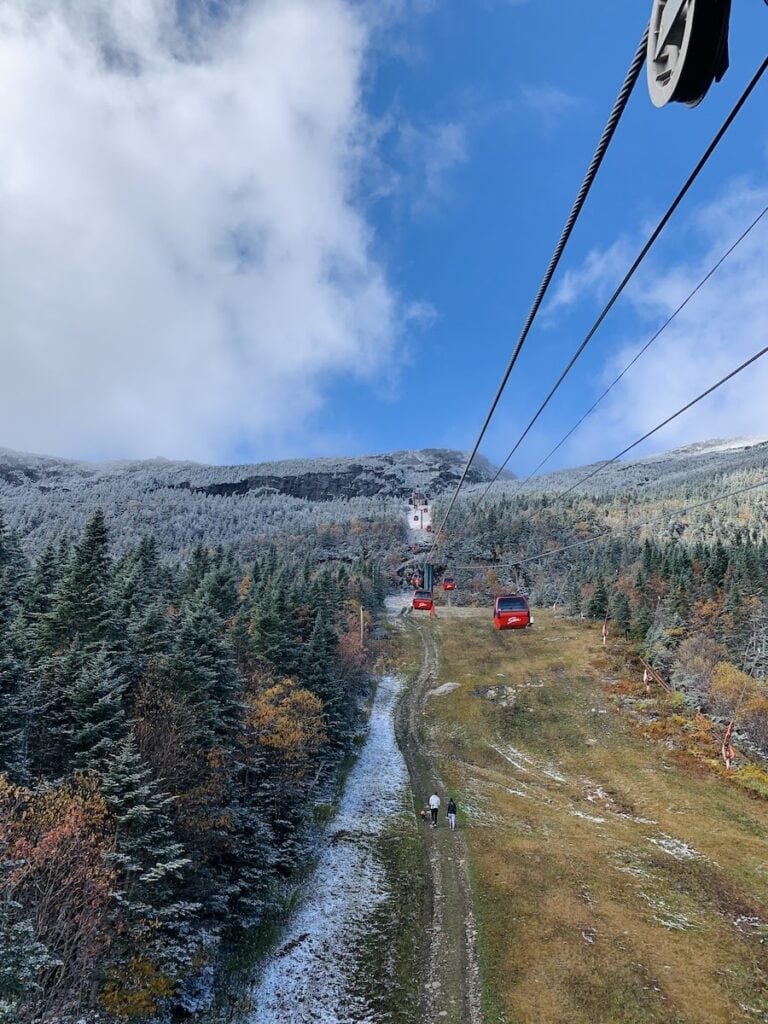
Vermont has held a special place in my heart ever since I was a kid and we spent a few weekends every winter in Vermont with friends at their place near Mt Snow where I learned to downhill ski.
Ironically, little did I know that Vermont would be the home of my future in-laws and ultimately why my husband and I decided to move here after both living out west for half of our adult lives.
One of my sayings is that I always enjoy living somewhere that other people dream of vacationing. I’ve managed to live that dream my entire adult life!
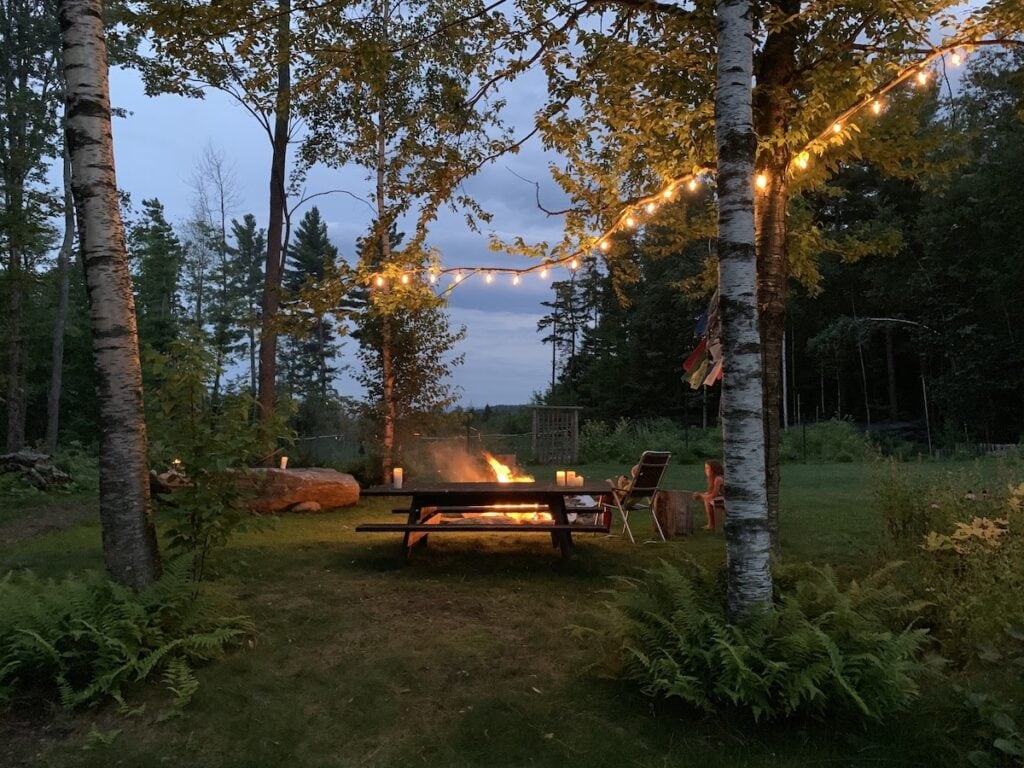
Vermont is everything I wanted for raising our kids. It’s scenic, safe, has all four seasons, is dog-friendly, and offers a ton of outdoor activities. Whether it’s skiing in the winter or hiking in the summer, there’s always something to do outdoors.
Plus, the sense of community here is strong; neighbors actually know and help each other out. It’s the kind of place where you can really put down roots and feel at home.
Have you ever lived anywhere other than Vermont? If so, what’s different about the places?
I settled into the Mule Mountains of southeastern Arizona in Old Bisbee for almost four years after I graduated from Syracuse University. From there I moved to Tempe to attend Arizona State University to get my Master of Fine Arts in Printmaking. That was a bit like a paved desert and I much preferred the high desert of Bisbee.
Living in the Southwest after growing up in the Northeast was exciting—I fell in love with the landscape, the daily sunshine, and the warm temperatures. I remember being shocked that I could get sunburned in February while on a hike and also never got over how every morning I woke to a bright and sunny day.
After seven years in Arizona, I moved to Burlington, VT because I had accepted a position at Burlington City Arts as the Print Studio Manager. I made an adventurous drive across the country camping with my two Maine Coon cats along the way. Beautiful Lake Champlain, the Green Mountains, the local food, and the coffee shops on every corner won me over. Somehow I coped with moving from a dry 80 degrees in the winter to a harsh 0 degrees and snow.
After living in Burlington for one year I surprised everyone and moved again, spontaneously, to start my adventure with my now husband, Matt, in Alaska. We met in Vermont but he had already lived in Alaska for 11 years at that time.
We lived in a dry cabin (this means no running water) while building our house on the edge of the wilderness in the hills of
Fairbanks, Alaska, and our other dry off-grid cabin in McCarthy, Alaska. We lived in Alaska together for seven years and I fell in love with the raw unspoiled land and extreme beauty there. Later on, we moved back to Vermont in 2013 with our 3-year-old and another baby on the way to be closer to family.
What are the best things about living in Vermont?
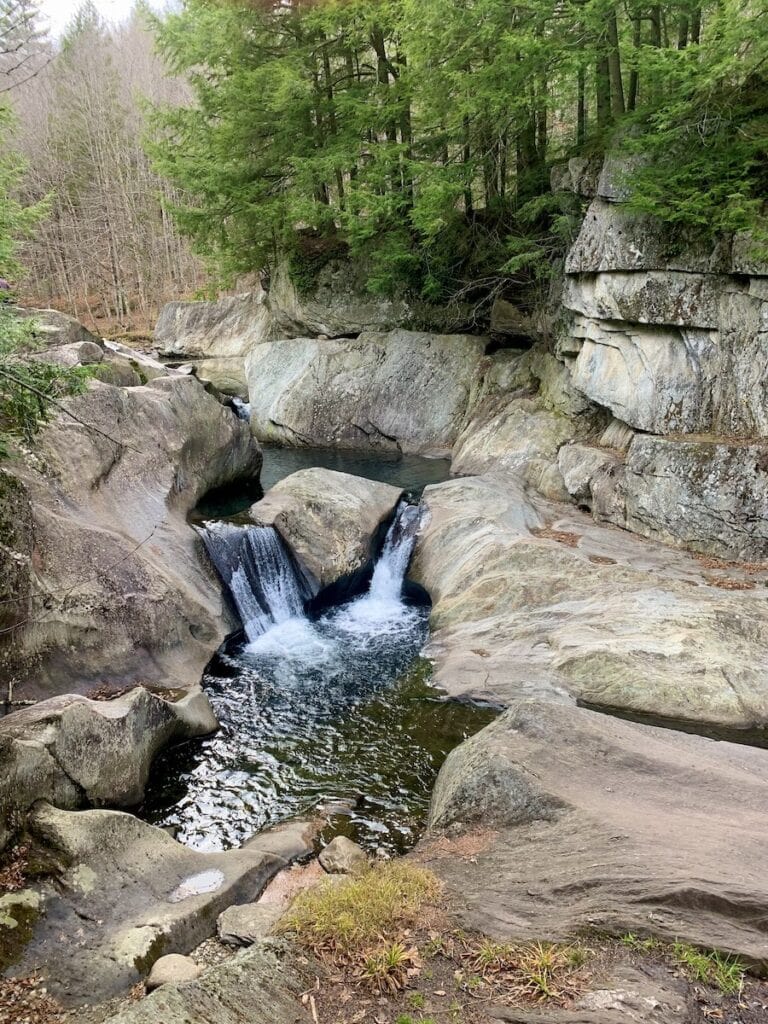
It’s gorgeous here! We have some of the best fall foliage in the country. Combine that with apple picking, pumpkin patches, maple syrup, cider, and cider donuts, and you’ve got the perfect setting for idyllic autumn days. And, let’s not forget the cherry on top: fresh Vermont maple creemees that are a local treat we all love.
I am a foodie to the core so I am really into the farm-to-table cuisine, the prolific farming, and the pride in locally grown food in general here. A few of my neighbors and many friends have their own flock of egg-laying chickens and many of us raise our own chickens or other livestock for meat.
Also, cheese is pretty much my favorite food and I can buy specialty cheese in any grocery store I walk into here. Coops and small farm stores have an epic selection of cheese and other gourmet local food items. I feel spoiled.
What are the worst things about living in Vermont?
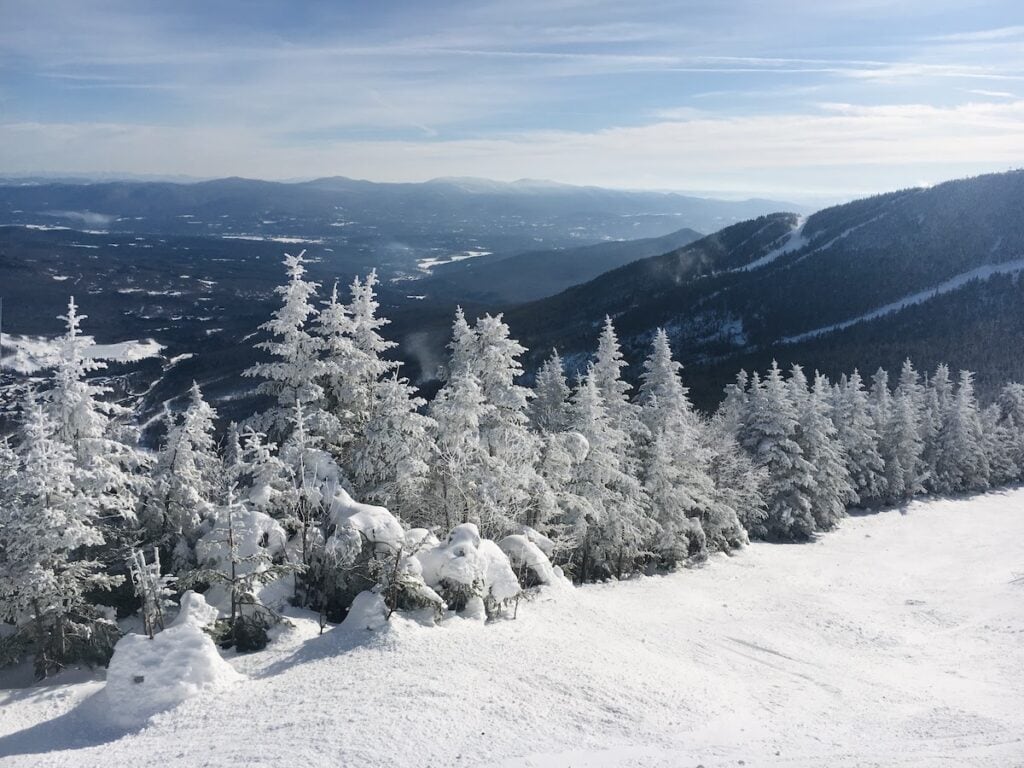
I am not a fan of gray overcast weather and sadly that is just something we see a lot of here in the winter months and honestly any time of year. The lack of sunshine can be tough for me, especially during stretches of gray weather that can last for weeks.
Mud season is not my favorite. This is the time of year when the winter freeze melts and the ubiquitous dirt roads turn into mush. If you are not careful your tires can sink a foot or more into the muck and you will need a tow.
It’s also very expensive to live here. The property taxes are high and grocery bills can be painful. In addition, it can sometimes take 6 months to a year to get an appointment with a specialty physician which means we sometimes have to wait for the medical care we need.
What were the biggest challenges of the move?
It’s hard to leave a majestic state with endless wilderness opportunities such as Alaska. Living somewhere that is a bucket list trip for many was a privilege I didn’t take lightly.
Vermont is 4,000 miles away from Alaska so it was expensive to move as well. Also, our community of friends was our family there, so I still have heartache over that loss.
But, we know we made the right decision for our family so our kids could spend precious time with their grandparents. One year, maybe we will move back to Alaska!
What is the cost of living in Vermont like for a month?
For reference we are a family of four with pets; it is me and my husband, our two children ages 10 and 13, plus we have two cats, a dog, and 20 chickens.
Our house is owned outright, although it is “under construction” and we are in our 6th year of that as we peck away at tasks ourselves. So, we use our “mortgage” budget on materials to work on our house each month.
In our area in Central Vermont, the average rent for a three-bedroom house is $3000/month. A one-bedroom apartment rents for $1500-2000/month.
Our monthly costs for our family of four in Central Vermont with two drivers, two cars, and three cell phones:
- Groceries: $1400
- Pet Food and Chicken Feed: $300
- Gas for commuting: $700
- Health Insurance/Medical Costs: $400
- Entertainment: $300
- Internet plus home phone: $90
- Cell phones: $175
- Electric: $250
- Yearly property tax on unfinished house: $6500
- Yearly Private Road Maintenance: $3000
How did you find a place to live in Vermont?
While living in Alaska I scoured the real estate listings daily for about a year prior to our anticipated move. We were in the market for either a house or a piece of land.
I called a realtor the moment a dream property within our budget came up online and we had the funds for a down payment but even then the land had been under contract for less than a few hours!
Lucky for us and sad for them their financing fell through and a few months later, after our move, we closed on that same property which we then logged and developed for building our house on.
Vermont is very competitive in terms of real estate. I won’t sugarcoat it; it’s challenging. Things are especially challenging here after COVID and real estate prices have gone up substantially.
What are the best places to live in Vermont?
That’s a tough question because it really depends on what vibe you are going for. Every corner of Vermont has its own politics and personality. Some towns are more touristy, like Woodstock or Stowe, and others are quiet and off the beaten path, such as Isle La Motte.
Burlington appeals to younger crowds, college transplants, and those who enjoy a larger, walkable downtown area, as well as extroverts. This vibe is a stark contrast to a place like Cabot, where life moves at a slower pace, surrounded by dairy farms and multi-generational Vermonters.
We live in between the Mad River Valley and Waterbury, VT because we’re partial to the mix of quiet nightlife, ski town vibes, excellent restaurants, endless trails, and countryside that we have surrounding us. We love the easy access to Burlington and Montpelier.
Montpelier is one of my favorite nearby towns to visit because of the coffee shops, cafes, the huge library, and the arts community, but they are still in deep recovery right now from the flood of July 2023.
How do you set up a bank account in Vermont?
That’s easy to do as long as you have a driver’s license or a government-issued ID. You’ll pick the bank or credit union where you’d like to open up an account, set up an appointment with the bank to do so, and after everything is filled out, you will receive your temporary checks, a debit card, and everything else you need to bank in your location.
Is it hard to find work in Vermont? Can you share any tips for finding job listings?
I haven’t experienced the job market being tough but I live an alternative lifestyle because I work from home and homeschool my kids. When I moved to Vermont I was able to secure a job as an adjunct professor at Johnson State College teaching fine arts.
I’d recommend directly approaching organizations or businesses where you’re interested in working. Small-town vibes exist throughout the state. Personal connections are very important in Vermont so avoid only filling out applications online without contacting the entity via email or phone as well.
How can someone new meet locals and other expats to make friends in Vermont?
As parents, we make friends via the school system or through other activities in our towns. However, many restaurants and bars in more populated towns are a hub for social activity.
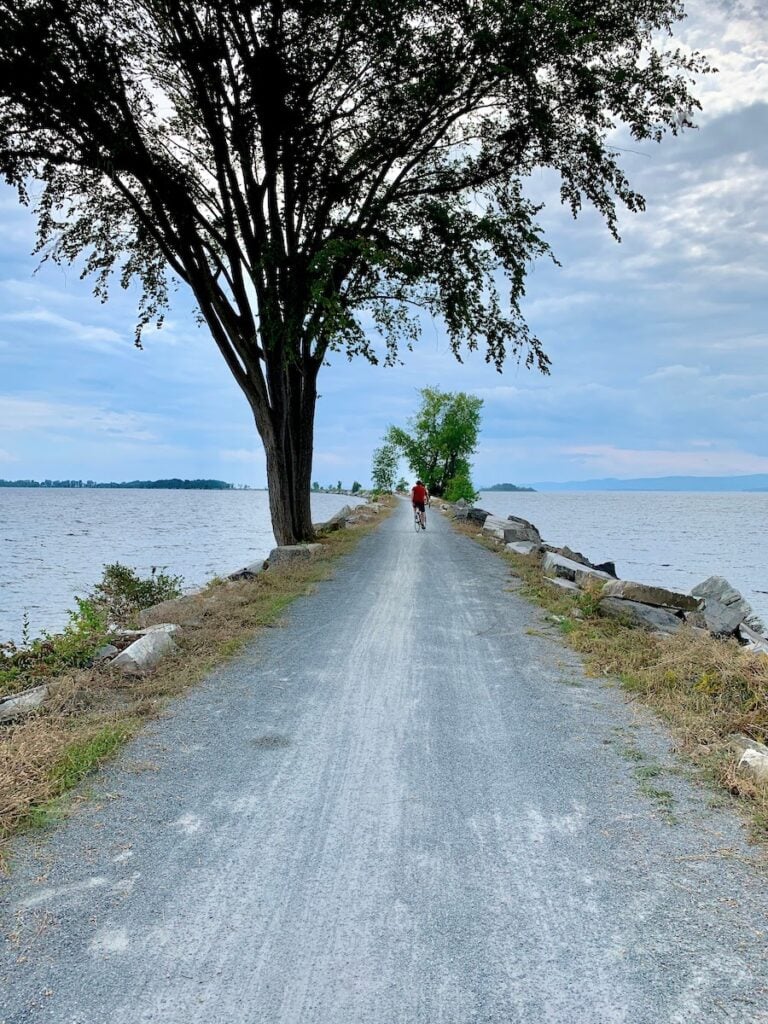
In addition, Vermont has many outdoor clubs (running, skiing, hiking, cycling), cooperative galleries, music venues, and classes of all kinds that folks can participate in to socialize.
Is Vermont a good place to raise kids?
Absolutely, Vermont is a great place to raise kids. While many towns in Vermont are walkable, offering easy access to schools, parks, and libraries, it’s also true that you might find yourself driving longer distances for certain activities.
This is especially the case if you’re interested in specialized sports programs, dance, music lessons, or cultural events that might not be available in your local community.
Vermont’s strong support for outdoor sports and nature studies is a huge advantage. Whether it’s skiing, snowboarding, hiking, running, or kayaking, there are programs, schools, and facilities for children to engage in these activities.
What were the pros and cons of living in Alaska compared to Vermont?
Both states have a number of pros and cons. I feel much less isolated in Vermont, perhaps because I grew up on the East Coast and have direct access to childhood friends and family.
| Alaska | Vermont | |
|---|---|---|
| ✅ Pros | Stunning Scenery | Four Distinct Seasons |
| Lots of Wildlife Sightings | Strong Community | |
| Epic Outdoor Activities | Outdoor Activities | |
| Strong Community | Local Produce + Cheese | |
| No State Income Tax | Quality of Education | |
| Permanent Fund Dividend | Easy access to big cities and travel | |
| ❌ Cons | Isolation | Lower Salaries |
| Cost of Living | Cost of Living | |
| Extreme Cold Winters | Tourist Crowds | |
| Long Dark Winters + Short Summers | Gray Winters | |
| Travel Constraints | High Property Taxes | |
| Limited Services |
If someone only had 1 day in Vermont, what do they HAVE to do?
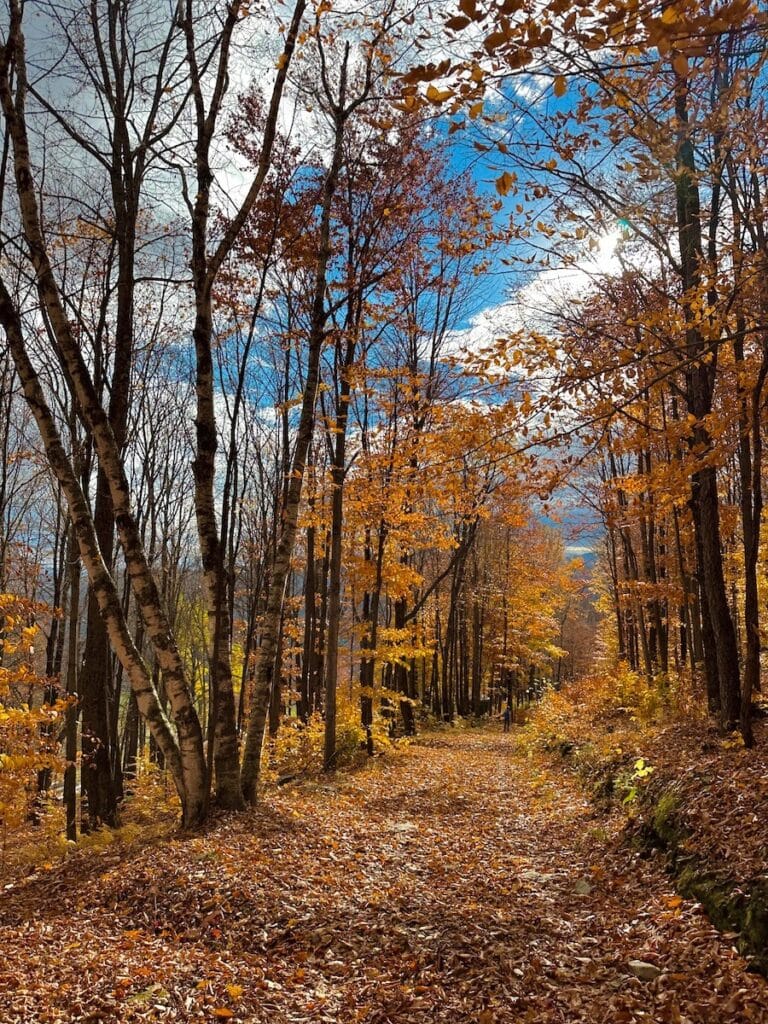
Absolutely visit in the autumn, either at the end of September or the first week of October! There are so many fall activities in Vermont to choose from.
Start your day with a visit to a local apple orchard and pick some fresh apples, have a cider slushie, and don’t leave without trying a cider donut—they’re a Vermont staple!
Spend the afternoon exploring a quaint town like Woodstock or Stowe, popping into local shops and farmer’s markets, and then grab a craft beer at a local brewery or enjoy a Vermont cheese charcuterie board at a cozy restaurant.
What is the best local tip you have about Vermont?
If you’re planning to live here year-round and drive, snow tires are non-negotiable. Trust me, “all-season tires” won’t cut it in a Vermont winter. With ubiquitous dirt roads and steep inclines, you’ll need both 4WD and snow tires to navigate safely from November to April—unless you fancy a detour into a ditch!
Thank you so much! Where can my readers learn more about you and follow along with your journey?
You can visit me on my blog, This Noshtalgic Life, where I delve into outdoor travel adventures in my top spots: Vermont and Alaska. If you’re a foodie like me, you’ll be thrilled by my easy-to-follow camping recipes and creative culinary tips, perfect for dining under the open sky, be it on hiking trails or fireside.
Living Abroad Travel Planning Guide
🚑 Should I buy expat travel insurance?
100% YES! — With basic coverage averaging just $5-10 USD per day, enjoy peace of mind with a plan from Safety Wing!
🌎 What is the best country to live in as an expat?
It depends – the best country to live in as an expat will depend on your unique needs. I developed this free quiz to help you figure out where is right for you!
📍 How do I pick a country to live abroad?
It depends – picking a country to live in is hard. That’s why I developed this $7 course to share all of the steps I’ve taken when deciding to move to 20+ different countries, and how I handle homesickness when I get there.
Ultimately, making the choice of where to move is going to be hard. But the hardest thing is deciding to move abroad at all!
💼 How do I get a job as an expat?
You can find work abroad via local job boards or temp agencies. My favourite way to work is remotely, so I always look for jobs on FlexJobs.com when I live abroad. They hire for 100% remote roles only.
If you’re looking to teach English abroad, Premier TEFL has the best online course to get you great work!
💰 How do I open a bank account abroad?
Wise.com offers free global accounts, and the cheapest money transfers. Since it can be a headache to open bank accounts in different countries (it took me 2 months in the UK!), Wise.com is a great solution.
I actually use it as my primary bank now worldwide due to the multi-currency debit card. (Read more)
👯♀️ How do you make friends abroad?
Meetup.com – Meet likeminded people who share a similar hobby with Meetup! It’s free to join, but some activities may cost money, like if you go to a cafe and get a coffee.
🙀 I don’t speak the language. Can I still live abroad?
Learn languages in no time with iTalki! Moving abroad is an opportunity to learn the language. You don’t need to know it before you leave home.
💻 Do I need a VPN?
Yes! – VPNs allow you to access more of the internet. From US Netflix in the UK to social media sites banned in Asia. It’s a really helpful and cheap thing to ensure your online activities aren’t restricted.
🧳 What’s the best luggage for living abroad?
This is my favourite luggage set for long term travel. You can read more about my review of types of suitcases for travel here.
🏡 How do I tell my friends and family I want to live abroad?
Take this $7 course and learn the exact script I used to tell my family I was moving abroad … and then when I did it again. I even include tips for prepping your family, and for how to handle family who aren’t supportive.
✈️ What’s the best site to buy cheap flights?
To find cheap flights, I recommend Skyscanner. (Read more)
🏨 What’s the best site to find cheap hotels?
To find cheap hotels, I recommend Booking.com. (Read more)
Or stay for free with Trusted Housesitters!
🚗 What’s the best site to rent cars abroad?
To find cheap rental cars, I recommend Discover Cars.
🚗 What’s the best site to find tours?
To find epic tours, I recommend Viator.