Nina Out and About contains affiliate links and is a member of the Amazon Services LLC Associates Program. If you make a purchase using one of these Amazon links, I may receive compensation at no extra cost to you. See my Disclosure Policy for more information.
11 Epic Sites for Backcountry Camping in Canada (2024)
If you’re looking for some of the best backcountry camping in Canada, you’ve come to the right place.
In this article, we’ll take a look at 11 epic places that are perfect for anyone who loves spending time immersed in the wild.
How can you possibly beat waking up to the gentle rustle of the breeze through the evergreen trees and to see the mountains misty in the dawn light? It’s not possible!
So pack your camping gear and get ready for an incredible outdoor adventure in the backcountry of Canada!
Moving abroad? Save more in booking your flights and accommodations by using this platform!
11 Epic Sites for Backcountry Camping in Canada
Backcountry camping in Canada is an amazing experience! The country is huge and is filled with vast and beautiful landscapes, making it the perfect place to enjoy nature at its finest.
There are plenty of amazing wilderness camping spots to choose from, and each one offers its own unique set of challenges and rewards. It can be overwhelming when you start looking at your options so we have narrowed down the top choices for you.
Whether you’re looking for a peaceful and serene setting or a more rugged and challenging terrain, Canada has something to offer to everyone who loves camping.
Before you go be sure to have the essential gear needed for backpacking and a well-planned camping food list for delicious meals on the go!
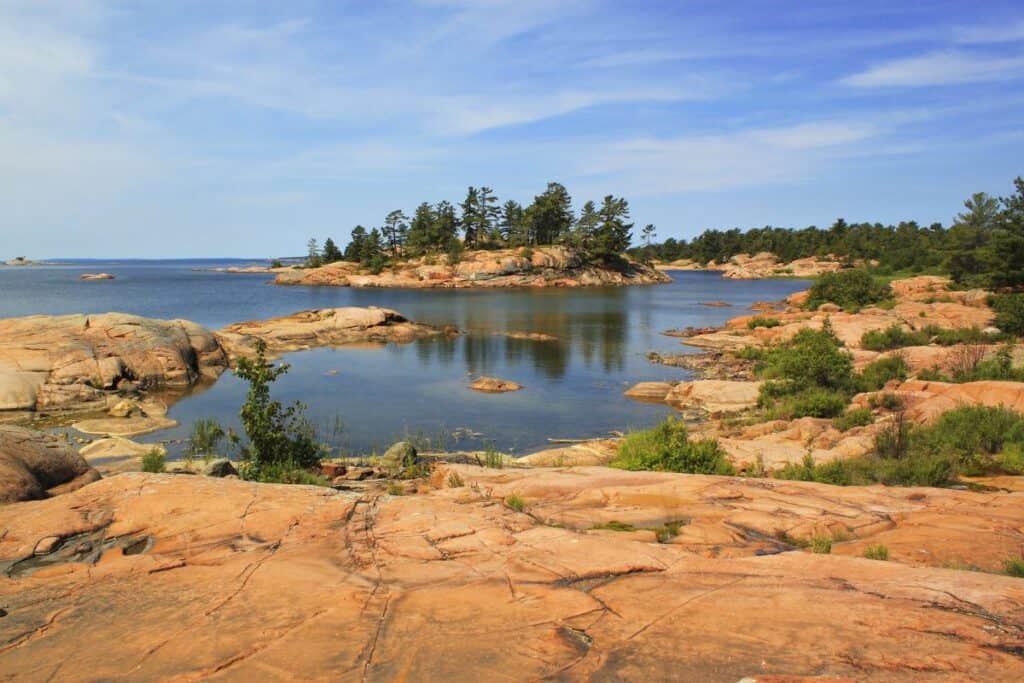
1. Killarney Provincial Park, Ontario
Killarney Provincial Park is located on the north shore of Georgian Bay.
If you’re looking for an unbelievable camping experience, this park should be at the top of your list!
Killarney also offers excellent winter camping opportunities, if you choose that route.
Permits are required for backcountry camping at Killarney Provincial Park. Backcountry sites in this wilderness park can be accessed by paddling the crystal blue waters or by hiking. There are over 50 stunning lakes here!
A convenient starting point if you want to canoe is Bell Lake where you can go to Killarney Kanoes and get your permit right near where you park.
From here you can lake hop through the most spectacular lakes, camping as you go.
For hiking, the most popular trail is the La Cloche Silhouette Trail.
It is a 77 kilometer backpacking trail that winds through the park offering hikers stunning views of the Canadian Shield, with its rugged cliffs and pristine lakes.
It’s no wonder that this trail is often cited as one of the best backpacking trails in all of Canada!
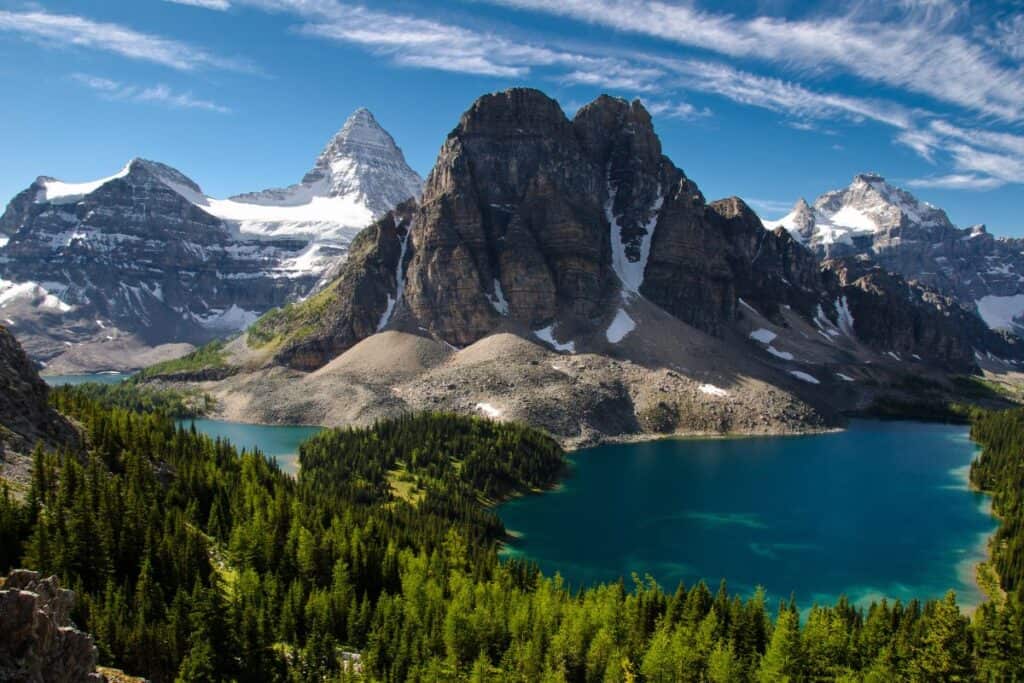
2. Mount Assiniboine Provincial Park, British Columbia
Mount Assiniboine is a provincial park in British Columbia, Canada, located around Mount Assiniboine.
A backcountry permit is required for every person who wishes to stay overnight at Magog Lake and Og Lake campgrounds throughout the year.
The only way to reach Mount Assiniboine Provincial Park is by foot, horse, or helicopter – you cannot drive there.
All trails that lead to the park go through Banff National Park in Alberta so plan your route in advance!
The alpine scenery at Mount Assiniboine Provincial Park in British Columbia is truly spectacular, and it’s the perfect setting for anyone who loves a challenging and rewarding backcountry camping experience.
This park offers hikers access to forests, meadows, glaciers, waterfalls, and more – all against the stunning backdrop of the Canadian Rockies.
🏔️ Want to explore the Rocky Mountains? Check out this 4 day tour I love!

3. Banff National Park, Alberta
Banff is located in Canada’s Rocky Mountains in southwestern Alberta, 80 miles west of Calgary. It can be intimidating due to its size and popularity, but with the right preparation and mindset, Banff provides a truly exquisite backcountry camping experience.
To access backcountry camping in Banff National Park, you will need to obtain a permit from Parks Canada.
There are many different areas in Banff National Park to choose from for backcountry camping–including Lake Louise and Moraine Lake, which are located in the Rocky Mountains.
There are over 50 backcountry campgrounds in Banff National Park and tons of amazing hiking trails.
Be aware that as you get deeper into the park self-reliance is important as trails become less maintained and less traveled.
Not only are grizzly bears and black bears common in Banff, but the area is also teeming with elk, fox, and mule deer.
Take precautions regardless of how close to the front country you think you might be staying.
🐴 I recommend this Banff horseback riding tour to see the park differently!
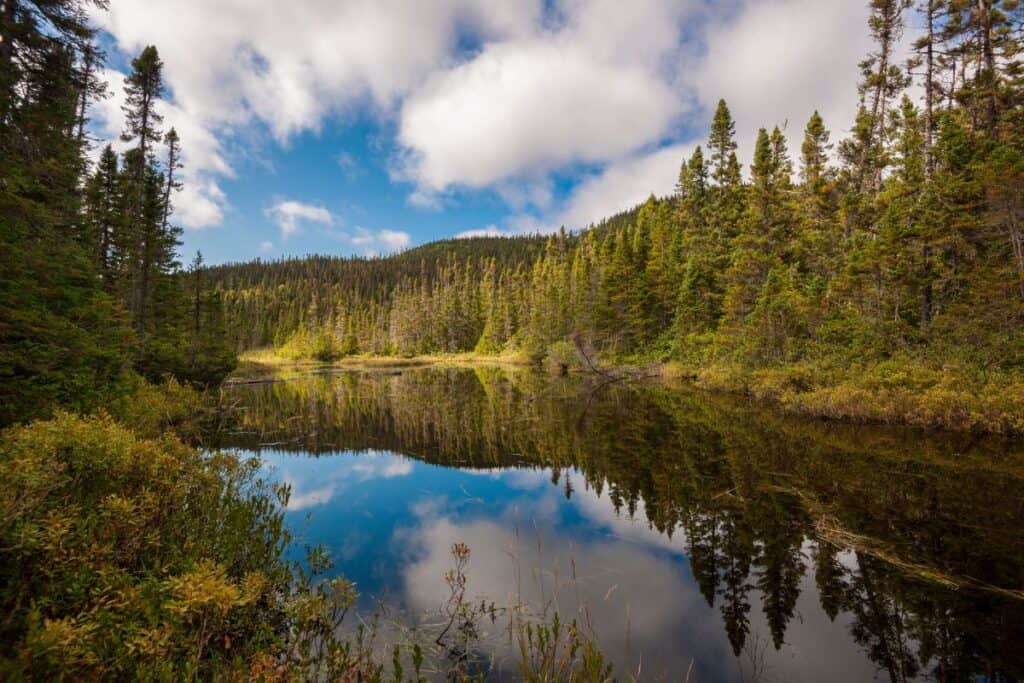
4. Gaspesie National Park, Quebec
Gaspesie National Park is located south of the town of Sainte-Anne-des-Monts, Quebec.
Backcountry camping in this extraordinary mountain environment is a memorable experience with dramatic scenery that includes 25 peaks over a thousand metres (3,280 ft.) high!
This park offers a range of remote and beautiful backcountry camping sites. The Gaspé Peninsula also hosts over 800km of the International Appalachian Trail!
If you’re looking to explore some truly stunning scenery, look no further than the 100-km section of trail that crosses the park. With barren peaks and snowfall that sticks around until mid-summer, you’ll feel like you’ve escaped into another world.
Primitive, wooden platforms reside at campsites off of the trail for backpackers to utilize. Because the park is so delicate and unique, visitors are only able to backpack on specifically designated trails. These paths, called “compulsory circuits”, come in differing levels of lengths and difficulties.
Reservations are required for backpacking trips in the park. Bookings can be made by phone at +1 (800) 665-6527.

5. French River Provincial Park, Ontario
French River Provincial Park is located near the community of Alban, south of Sudbury and Manitoulin Island.
It’s important to note that all the campsites here are backcountry and only accessible by water with 13 access locations for paddlers.
The park abounds with natural beauty, from the massive pine trees to the beautiful waterfalls and meandering river.
French River Provincial Park offers 230 undeveloped back-country campsites available to the public! It is quite private and serene.
All campsites are first come first serve.
Do keep this in mind and allow yourself time to have alternative choices in case those you hope for are full.
Some sites can be very sheltered and closed off, while others can be open to Georgian Bay and the winds.
Because these backcountry sites are so close to the water you will want to use your judgment depending on when you decide to travel there because the bugs can be unbearable earlier in the season.
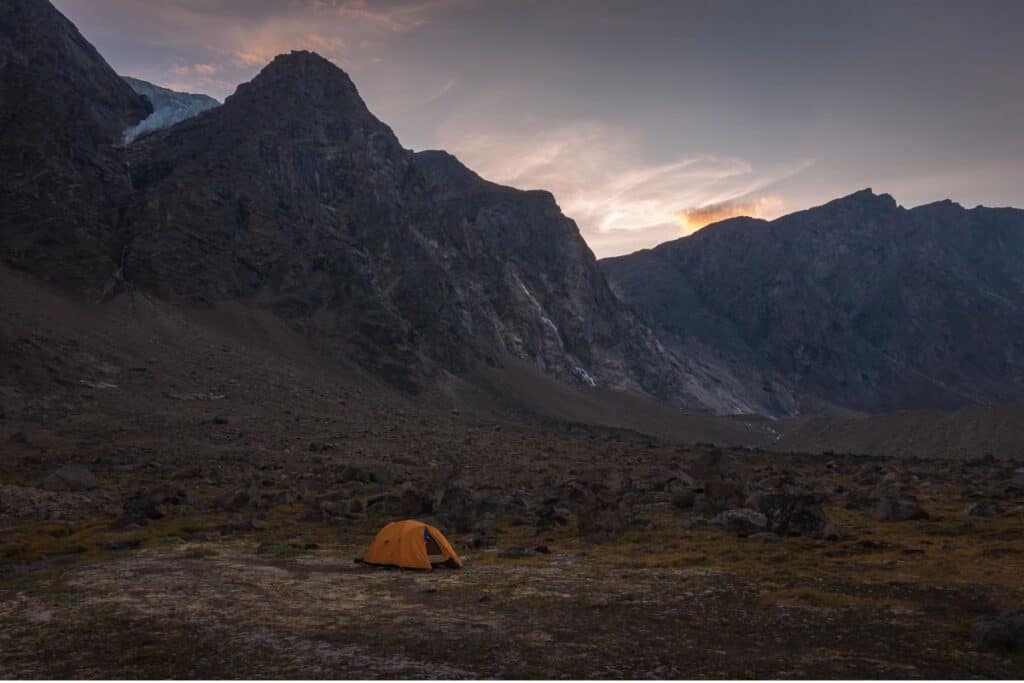
6. Auyuittuq National Park, Baffin Island in Nunavut
Auyuittuq National Park is located in the Qikiqtaaluk Region of Nunavut, on the Cumberland Peninsula of Baffin Island.
This park is one of the most beautiful and remote in all of Canada, offering unparalleled hiking and camping opportunities in a pristine wilderness setting.
Backcountry camping in Auyuittuq is only allowed in designated areas, which can be found on the park’s hiking maps.
Be aware that there are no marked trails in the park, so you’ll need to be confident in your navigation skills if you plan to venture off the beaten path.
Due to its remote location and challenging terrain, Auyuittuq National Park is not for novice hikers or campers.
However, those who make the journey here will be rewarded with an unforgettable experience in one of the most incredibly scenic and wild areas of Canada.
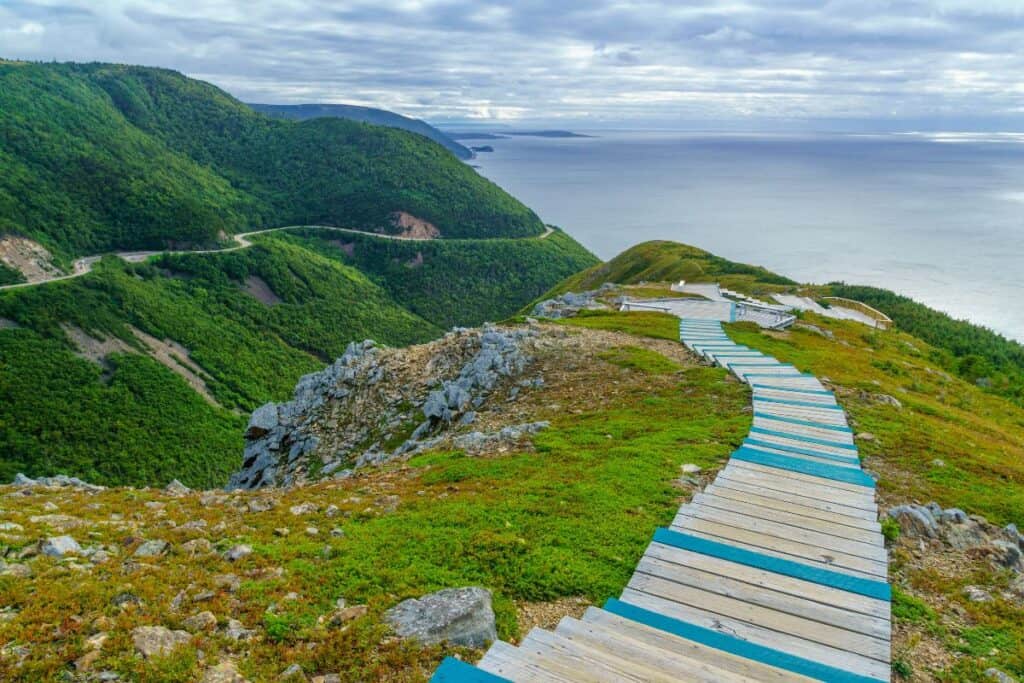
7. Cape Breton Highlands National Park, Nova Scotia
Cape Breton Highlands National Park is on northern Cape Breton Island in Nova Scotia. It’s about a 4 hour drive from Halifax.
If you’re looking to get away from it all and really immerse yourself in breathtaking nature, then Fishing Cove backcountry campground is perfect for you.
It’s best known for its stunning landscape, which includes rolling hills and gorgeous rugged coastline.
It’s also not uncommon to see bald eagles and other birds of prey soaring overhead.
As the only designated wilderness camping area in Cape Breton Highlands National Park, Fishing Cove is the perfect place to disconnect from the outside world.
Keep in mind there are only 8 overnight unserviced sites and reservations are required. They can be made by calling 902-224-2306.
🥾 This Cabot Trail tour is excellent – and saves you having to drive for days on your own!
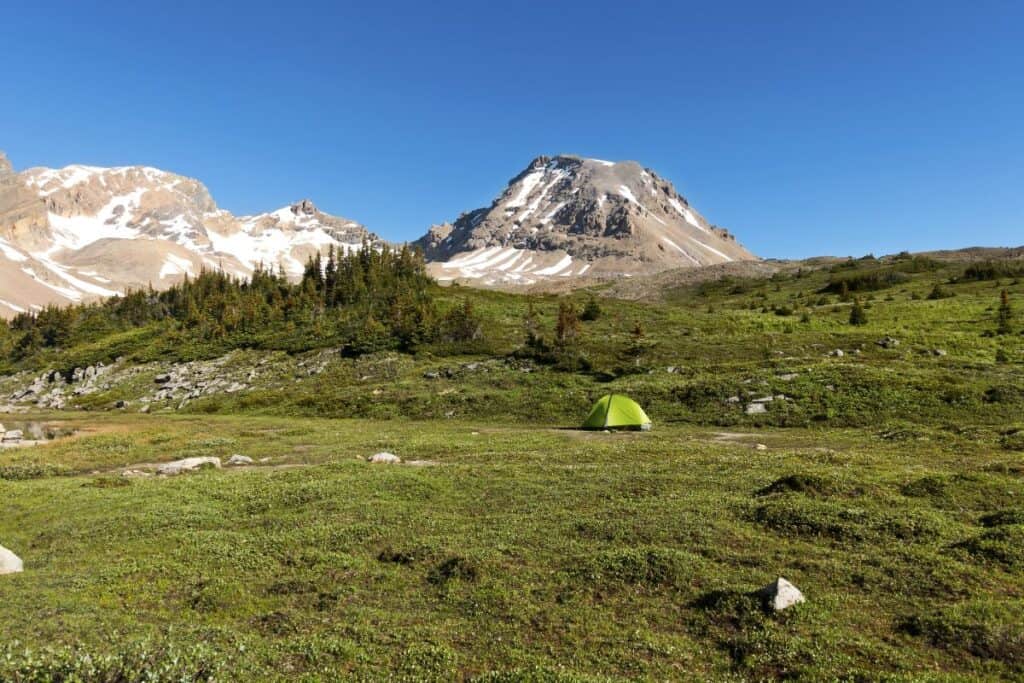
8. Wood Buffalo National Park, Alberta and Northwest Territories
Wood Buffalo National Park is located on the border of Alberta and the Northwest Territories and it is road-accessible year-round from Fort Smith.
This park is huge, bigger than Switzerland, and needless to say it is Canada’s largest park.
Also super fun is that Wood Buffalo is the world’s largest Dark Sky Preserve!
It’s an amazing place to stargaze and even see the Northern Lights!
The park was actually founded to protect its namesake animal, the rare wood buffalo. There is not an infrastructure of developed trails, so the opportunities for bushwhacking are endless.
Backcountry camping is permitted anywhere in the park but a permit is required.
Sweetgrass Station, however, is the prime backcountry camping destination.
It’s in the middle of vast deltaic meadows where you can pitch your tent and admire the surrounding marshlands and blue waters of the nearby Lake Claire.
To get there you will need a canoe. Put in at the Peace River and then paddle just over 10 hours to reach Sweetgrass Landing.
After camping here you would continue downstream to your next destination and plan your remaining landing sites accordingly.
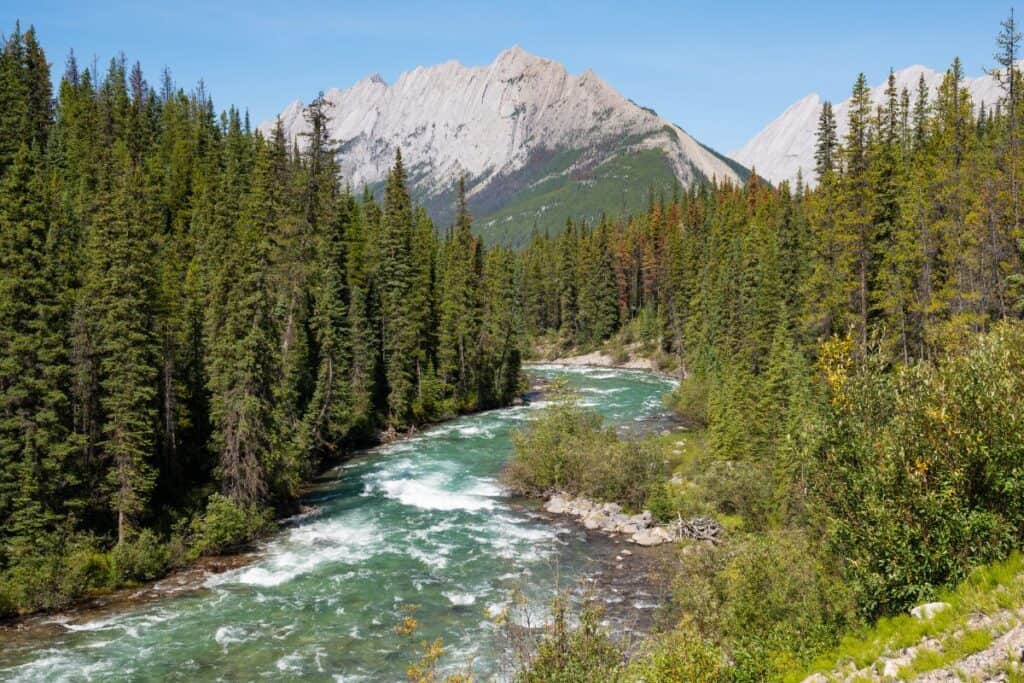
9. Jasper National Park, Alberta
Jasper National Park is the largest national park within Alberta’s Rocky Mountains. It is also part of UNESCO’s Canadian Rocky Mountain Parks World Heritage Site.
If you are an experienced backpacker, the challenging opportunities here are logically the next step in your adventures in the backcountry.
The beauty of Jasper National park is truly unmatched!
It is home to some of Canada’s most beautiful scenery, from snow-capped mountains to rushing waterfalls and glacier-fed lakes.
There are no shortage backcountry opportunities in this stunning park.
This is truly a hiker’s paradise with more than 600 miles of hiking trails! The best easy backpacking trail in Jasper is the Maligne Canyon Trail.
This short hike offers hikers beautiful views of the canyon and its many waterfalls.
The most challenging backpacking trail in Jasper is the Tonquin Valley Trail. This 33-km route takes between four and six days to complete.
The trail passes through some of the most wild and remote areas of the park, so it’s important to be prepared for any possible situation.
Those who are up for the challenge will be rewarded with an unforgettable experience in one of the most beautiful places on Earth.
Don’t forget that you’ll need a permit beforehand for backcountry camping in Jasper!
You can even combine it with a trip to Banff National Park by driving through Lake Louise.
🦌 Check out this AMAZING wildlife tour in Jasper National Park
10. Bruce Peninsula National Park, Ontario
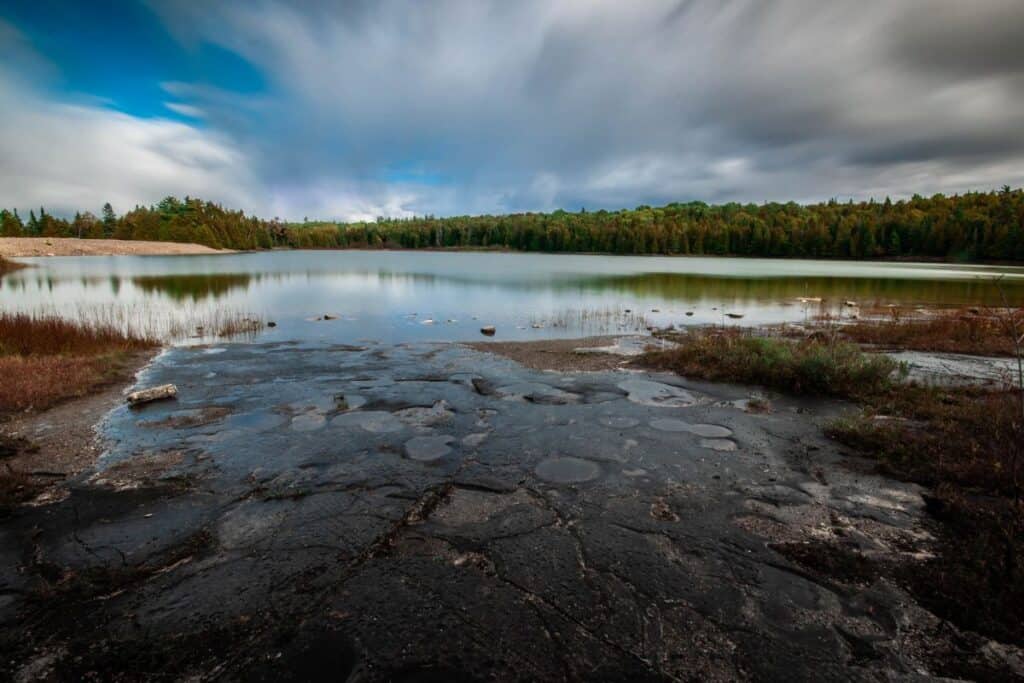
Bruce Peninsula National Park is located on the Bruce Peninsula in Ontario.
It is known as one of Ontario’s most breathtaking destinations with Tobermory getting flooded with adventurers in July and August. The turquoise waters will seem a bit out of place here as they are reminiscent of the colors seen in the Mediterranean.
Stormhaven is a great backcountry campground located on Gregorian Bay in the thick of the Niagara Escarpment World Biosphere Reserve. With tent platforms overlooking the beach, you can fall asleep to the sound of the ocean.
There are also nice hooks on the side of the tent platform for tying off your tent.
It’s really a well-set-up site and impressive for the backcountry! There are bear cables for hanging up food and also a privy for each platform.
Although the hike to Stormhaven is short, it can be challenging.
The trek through Bruce Peninsula National Park is perfect for both newcomers to backpacking as well as experienced hikers who want a memorable trip in the wild.
✅ Head to Bruce Peninsula without a car on this tour from Toronto!
11. Gros Morne National Park, Newfoundland
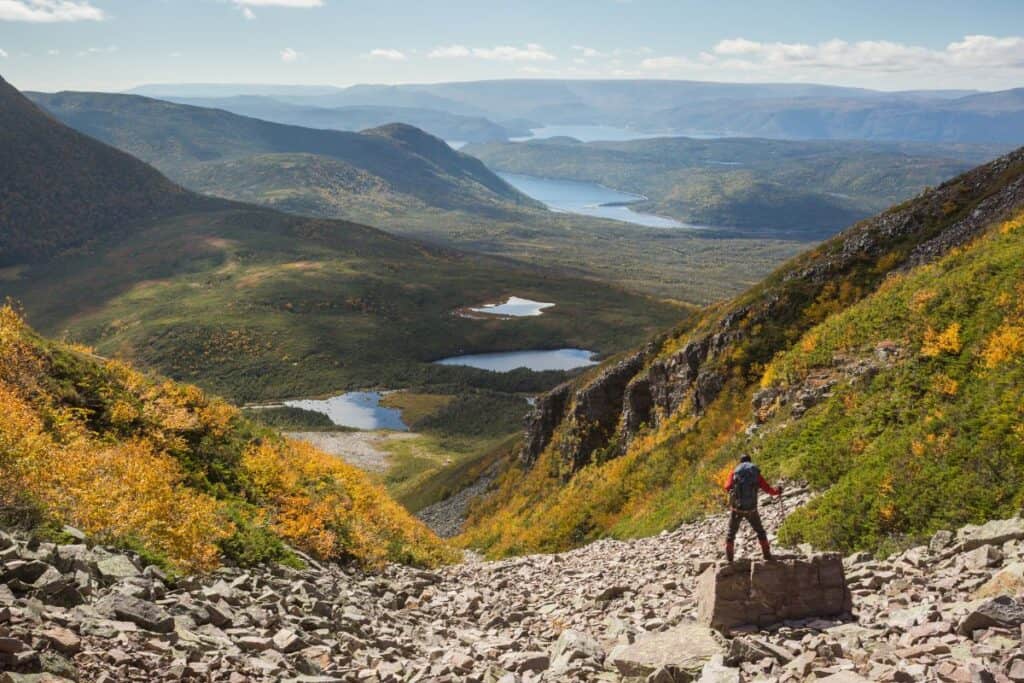
Gros Morne National Park is located on the west coast of Newfoundland.
This park protects a large area that has both glacial and geological significance. Continental drift has had quite obvious and stunning visible effects on this location.
There are 15 amazing backpacking trails in Gros Morne National Park. However, the best trail to hike for backpacking in Gros Morne National Park is Western Brook Pond Trail. This full-day, 12-kilometre journey to the top of the gorge is epic.
Advance reservations with Parks Canada are a must for this trail.
Of utmost importance is to plan ahead!
You need to hire a guide to hike to the main area of Western Brook Pond, unless you get approval in advance to go solo.
If going solo then the day before your departure you must attend an orientation session and pass a backcountry skills and orienteering test.
Navigation checkpoints along the way on the hike have campsites with tent pads set up so you can pitch your tent, take a break for the night, and continue your journey across the park.
If you are an experienced backpacker, this is one for the bucket list folks!
FAQs
Backcountry camping involves a great amount of planning ahead to ensure things go smoothly and safely in the wilderness.
Below are some frequently asked questions that come up when considering this type of travel in Canada.
Can you backcountry camp for free in Canada?
It depends on where you want to camp. Most parks only allow backcountry camping in designated areas and charge a fee. It’s always best to check with the park before you go to avoid any unpleasant surprises.
Despite the fees that parks charge for backcountry, it’s generally much lower than the cost of camping in an official campground. For example, the fee for backcountry camping in most of Canada is $5-$10, while reserving a spot in a provincial park campground will set you back at least $35 per night.
However, there are plenty of free recreation sites scattered throughout Canada’s wilderness that are perfect for anyone who loves spending time in nature. British Columbia is a beautiful province with many recreational sites that offer free camping. Each site includes a fire pit, space for a tent, picnic table, and outhouse. And it’s way cheaper than staying in Vancouver!
What are the best times of year to go backcountry camping in Canada?
The best times of year to go backcountry camping in Canada vary depending on the park. Remember, Canada is huge, so climates and desirable weather vary widely depending on the chosen camping destination.
Even though most parks are open from May to October, many are available for winter camping! If you’re looking for a unique and memorable camping experience, consider venturing out into the wilderness during the colder months.
Many parks offer the perfect setting for winter activities such as cross-country skiing, snowshoeing, and ice fishing.
To plan ahead for a trip in the colder months, consider learning to prepare your own nutritious dehydrated food for camping including snacks, since these foods won’t freeze and they allow for lightweight traveling.
Is backcountry camping allowed in Ontario?
Yes, backcountry camping is absolutely allowed in Ontario! There are a number of parks in the province that offer excellent opportunities for spectacular scenery while backcountry camping.
Popular choices include Killarney Provincial Park, French River Provincial Park, and Bruce Peninsula National Park. One of the more well-known parks for backcountry camping in Ontario is Algonquin Provincial Park.
Wrap Up: Backcountry Camping in Canada
Backcountry camping in Canada can be a truly epic experience, especially if you know where to go.
In this article, we’ve shared some of our favorite spots for backcountry camping, as well as some tips on how to make the most of your trip.
So what are you waiting for? Start planning your adventure and get out there to explore Canada’s wild side!
Moving abroad? Save more in booking your flights and accommodations by using this platform!
Looking for more outdoor experiences in Canada? Check these out!
- 21 Best Places to Go Kayaking in Canada
- 13 Best Canada Northern Lights Tour and When to Go [2022]
- 9 Best Places for Whale Watching Canada: Know Before You Go!
- Renting a Car in Canada: 41 Important Local Tips & Tricks
- Canada in Summer: Best Places to Visit and Things to Do [Local Guide]
- 13 Best Sunsets in Canada to See Before You Die
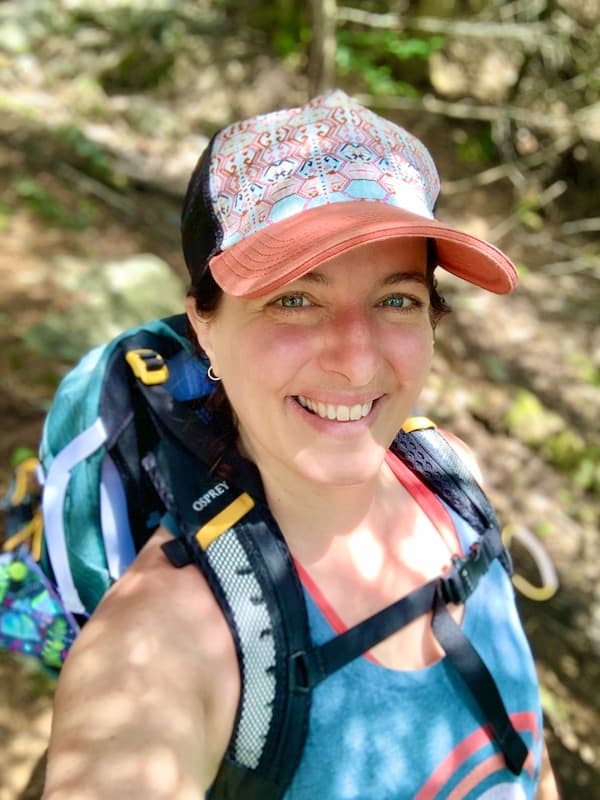
Heather of This Noshtalgic Life
Heather is a perpetual foodie who loves exploring and spending time in the great outdoors with her family.
Vermont is her home base but their cabin in the wilds of Alaska is where their ultimate adventures hail from if they are not busy traveling to new destinations.
Heather loves cheese, coffee, climbing mountains, and paddling in the ocean.
Canada Travel Planning Guide
🚑 Should I buy Canada travel insurance?
100% YES! — Canada has “free” healthcare but it’s only for citizens! Foreigners visiting need travel insurance in case anything happens on their visit. I recommend World Nomads – starting at just $5 a day!
💧Can you drink the water in Canada?
Yes — In all major cities in Canada, you can drink the tap water. There are very few, rural areas that you can’t. However, you should never drink river or lake water anywhere in the country! I recommend a Brita Water Bottle for long hikes and backcountry camping to stay safe and hydrated.
🚙💨 Is it safe to rent a car in Canada?
Yes — Renting a car is a necessity in most of Canada! If you want to go on road trips or adventures outside of the major cities, you’ll need to rent a car. (Read more)
📲 Will my phone work in Canada?
Maybe — Some American companies work in Canada, but many will not. If your phone doesn’t work in Canada, I recommend getting a Canadian SIM card so you can get around and stay in contact with loved ones. We don’t have a lot of free WIFI in Canada, so you’ll need your phone for maps.
🏩 What’s the best way to book my Canada accommodations?
My go-to for Canadian hotels is Booking.com. For hostels, I use Hostel World. If you want a home-y feeling, check out VRBO (which is cheaper and safer than Airbnb).
Or get free accommodations with Trusted Housesitters!
✈️ What’s the best site to buy Canada flights?
For finding cheap Canadian flights, I recommend Skyscanner.
🎫 Do I need a visa for Canada?
Likely Not — US, UK, and EU passport holders don’t need Canadian visas. However, some other countries do (check here!). And if you plan to stay for more than 4 weeks (an average tourist visa length), you will need to look into visas to live in Canada.